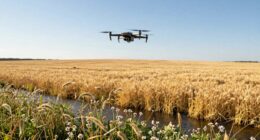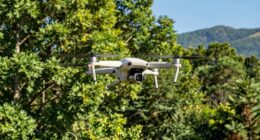
Choosing the best premium drone under $3000 for professional use means balancing high-quality imaging, flight performance, and reliability without exceeding budget limits. The DJI Air 3S stands out as the best overall choice, thanks to its advanced 4K camera and impressive 45-minute flight time. For those prioritizing compactness, the DJI Mini 4K Fly More Combo offers extended flight hours and a portable design, though it sacrifices some sensor features. Meanwhile, the DJI Mavic 4 Pro delivers top-tier image quality but at a slightly higher price point. The main tradeoffs involve weight, camera capabilities, and flight time, which can influence suitability depending on specific professional needs. Continue reading for a full comparison to find the best fit for your work.
Key Takeaways
- The DJI Air 3S offers the best balance of camera quality and flight time, making it ideal for most professional needs.
- Compact drones like the DJI Mini 4K variants provide portability but often have smaller sensors or fewer advanced features.
- Higher-end models such as the DJI Mavic 4 Pro excel in image quality but come with increased complexity and cost, sometimes nearing the $3000 limit.
- Battery life and transmission range are consistent differentiators, with some models offering significantly longer operation times.
- Feature sets vary widely; choosing the right drone depends heavily on whether the priority is image quality, portability, or flight endurance.
| DJI Air 3S Drone with 4K Camera and 45-Min Flight Time |  | Best Overall for Versatility and Long Range | Camera: 1″ CMOS, 4K/60fps HDR | Dynamic Range: 14 stops | Max Flight Time: 45 minutes | VIEW LATEST PRICE | See Our Full Breakdown |
| DJI Mini 4K Fly More Combo Drone with 4K UHD Camera, 3 Batteries, and Extended Flight Time |  | Best for Portability and Beginner-Friendly Use | Weight: Under 249 g | Camera Resolution: 4K UHD | Max Flight Time: 93 minutes (with 3 batteries) | VIEW LATEST PRICE | See Our Full Breakdown |
| DJI Mini 3 (DJI RC) Drone with 4K Camera and 38-Minute Flight Time |  | Best for Lightweight Everyday Use and Quick Shots | Weight: Under 249 g | Camera: 4K HDR | Flight Time: 38 minutes | VIEW LATEST PRICE | See Our Full Breakdown |
| DJI Mavic 4 Pro Drone with DJI RC 2 |  | Best for Cinematic and Professional-Grade Filming | Camera: 100MP Hasselblad, 6K/60fps HDR | Gimbal: 360° Infinity | Flight Time: 51 minutes | VIEW LATEST PRICE | See Our Full Breakdown |
| DJI Mini 4K Camera Drone Combo, 4K UHD, Under 249g, 3-Axis Gimbal, 10km Transmission, Auto Return, 2 Batteries, QuickShots |  | Best for Portability and Easy Cinematic Shots | Weight: Under 249 g | Camera Resolution: 4K UHD | Max Flight Time: 31 minutes per battery | VIEW LATEST PRICE | See Our Full Breakdown |
| DJI Mini 4K Drone with 4K UHD Camera and 3-Axis Gimbal Stabilization |  | Best for Extended Flying and Beginner-Friendly Features | Weight: under 249 g | Camera Resolution: 4K UHD | Gimbal: 3-axis stabilization | VIEW LATEST PRICE | See Our Full Breakdown |
More Details on Our Top Picks
DJI Air 3S Drone with 4K Camera and 45-Min Flight Time
The DJI Air 3S stands out as the most well-rounded option in this lineup, combining high-quality imaging with impressive flight endurance. Its 1″ CMOS sensor delivers detailed HDR 4K footage, making it ideal for professional photography and videography. Compared to the DJI Mini 4K models, the Air 3S offers longer flight times and a broader transmission range, which is crucial for large-scale shoots or complex aerial surveys. However, it requires additional accessories like a separate battery charger, adding to the overall cost and complexity. Its advanced obstacle sensing enhances safety during complex maneuvers, especially at night, which is a feature less developed in the Mini series. This drone makes the most sense for professionals who need reliable performance and extended range without sacrificing image quality, but it might be overkill for casual users or those prioritizing portability above all.
Pros:- High-quality 4K HDR video recording with 14-stop dynamic range
- Extended 45-minute flight time improves shooting flexibility
- Advanced obstacle sensing supports safe night flying
- 20 km transmission range for large-area coverage
Cons:- Battery charger sold separately, increasing overall cost
- Requires additional accessories for full operation, complicating setup
Best for: Professional aerial photographers and videographers needing extended range and high image quality
Not ideal for: Casual hobbyists or travelers seeking ultra-lightweight, compact drones for quick shots
- Camera:1″ CMOS, 4K/60fps HDR
- Dynamic Range:14 stops
- Max Flight Time:45 minutes
- Transmission Range:20 km
- Includes:Remote controller, one flight battery, propellers
- Battery Charger:Sold separately
Bottom line: This drone is best suited for professionals who need reliable, long-range aerial performance and top-tier image quality.
DJI Mini 4K Fly More Combo Drone with 4K UHD Camera, 3 Batteries, and Extended Flight Time
The DJI Mini 4K Fly More Combo makes a compelling case for those who need a lightweight, easy-to-use drone without sacrificing image quality. Weighing under 249 grams, it’s less cumbersome than the Air 3S, and with the included three batteries, it offers up to 93 minutes of total flight time—far exceeding most competitors in this size class. Its 4K UHD camera with a 3-axis gimbal ensures stable, cinematic footage, suitable for hobbyists and semi-professionals. While the Mini 4K lacks the long-range transmission of the Air 3S, its 10 km range is still impressive for its size. It is ideal for beginners or travelers who prioritize portability, but it might fall short for those needing advanced obstacle sensing or night-flying features present in larger models.
Pros:- Ultra-lightweight, under 249 grams, no FAA registration needed
- High-quality 4K footage with cinematic stabilization
- Extended flight time up to 93 minutes with three batteries
- Compact and portable for travel or quick shoots
Cons:- Limited transmission range compared to larger drones like the Air 3S
- Requires app download from DJI website, adding extra steps
Best for: Travelers, hobbyists, and beginners seeking ease of use and portability
Not ideal for: Professionals requiring extended range or advanced obstacle avoidance for complex shoots
- Weight:Under 249 g
- Camera Resolution:4K UHD
- Max Flight Time:93 minutes (with 3 batteries)
- Max Transmission Range:10 km
- Gimbal Stabilization:3-Axis
- Included Accessories:Two-way charging hub, shoulder bag
Bottom line: This drone is perfect for those prioritizing portability and ease of use over long-range capabilities or night flying.
DJI Mini 3 (DJI RC) Drone with 4K Camera and 38-Minute Flight Time
The DJI Mini 3 offers a sleek, user-friendly experience, making it ideal for casual users and hobbyists who want quick, high-quality aerial footage. Weighing under 249 grams, it’s easy to carry around, and its 4K HDR camera with a 3-axis gimbal produces sharp, stabilized videos. Its 38-minute flight time and 10 km transmission range are respectable for a drone of this size, and the built-in HD display on the DJI RC controller simplifies operation. However, some advanced features are locked behind additional purchases, and extending flight time with extra batteries can push the weight above 249 grams, requiring registration. It’s well-suited for casual users but might lack the robustness needed for demanding professional projects demanding longer flight endurance or obstacle detection.
Pros:- Lightweight and portable, no FAA registration required
- Solid 4K HDR camera with 3-axis gimbal stabilization
- Long-range transmission up to 10 km
- Built-in HD display for easy control
Cons:- Additional batteries may increase weight beyond 249 grams
- Some advanced features may require extra purchases
Best for: Amateurs and semi-professionals who want a portable, easy-to-fly drone for quick shoots
Not ideal for: Pros needing extended flight time or advanced obstacle avoidance for complex filming
- Weight:Under 249 g
- Camera:4K HDR
- Flight Time:38 minutes
- Max Video Transmission:10 km
- Gimbal:3-Axis
- Included Controller:DJI RC with built-in display
Bottom line: This drone suits casual users seeking quick, high-quality captures in a compact form but may lack the endurance for prolonged professional shoots.
DJI Mavic 4 Pro Drone with DJI RC 2
The DJI Mavic 4 Pro clearly targets professionals seeking top-tier image quality and cinematic versatility. Its 100MP Hasselblad camera captures breathtaking 6K/60fps HDR videos and ultra-detailed stills, surpassing the resolution of the Air 3S and Mini models. The inclusion of a 360° gimbal allows for dynamic shots, and the 51-minute flight time provides ample opportunity for complex filming sessions. With a 30 km transmission range, it offers unmatched reach, ideal for large-scale productions. Compared to the Air 3S, the Mavic 4 Pro’s larger size and higher cost reflect its professional-grade features, making it less suitable for casual or travel use. The need to download the DJI Fly app from DJI website slightly complicates setup, but the tradeoff is premium performance.
Pros:- 100MP Hasselblad sensor for ultra-detailed images
- 6K/60fps HDR video recording for cinematic quality
- 360° gimbal for dynamic shots
- Long 51-minute flight time and 30 km transmission for extensive shoots
Cons:- Requires downloading DJI Fly app from DJI website, adding setup steps
- Larger size limits portability
- Higher price point may be prohibitive for casual users
Best for: Professional filmmakers, high-end aerial photographers, and commercial operators
Not ideal for: Casual users or those prioritizing portability over advanced features and flight time
- Camera:100MP Hasselblad, 6K/60fps HDR
- Gimbal:360° Infinity
- Flight Time:51 minutes
- Transmission Range:30 km
- Includes:Battery, 100W USB-C Power Adapter
Bottom line: This drone is tailored for professionals demanding uncompromising image quality, extended flight time, and vast transmission range, with portability being a secondary concern.
DJI Mini 4K Camera Drone Combo, 4K UHD, Under 249g, 3-Axis Gimbal, 10km Transmission, Auto Return, 2 Batteries, QuickShots
The DJI Mini 4K Camera Drone Combo stands out for its exceptional portability, weighing less than 249 grams, which means it usually doesn’t require FAA registration—an advantage over larger models like the DJI Air 3S. Its 4K UHD camera combined with a 3-axis gimbal delivers remarkably stable, cinematic footage that rivals more expensive drones. The impressive 10 km transmission range and wind resistance at Level 5 make it versatile for various outdoor conditions. However, some app compatibility issues might complicate setup, and its focus on recreational use limits professional-grade control. Compared to the DJI Mini 4K with extended batteries, this combo offers a more portable package with sufficient flight time for casual shoots, but it sacrifices some advanced features found in higher-end models.
Pros:- Extremely lightweight and portable, no FAA registration needed
- High-quality 4K footage with cinematic stabilization
- Long transmission range up to 10 km and strong wind resistance
Cons:- App compatibility issues require manual download from the website
- Limited to recreational use in many regions, restricting commercial applications
- Battery life varies with conditions, potentially limiting shooting time
Best for: Beginners who want a lightweight, easy-to-fly drone for high-quality aerial footage without registration hassles.
Not ideal for: Professional filmmakers needing advanced controls and longer endurance for complex shoots, as this drone’s features are geared more toward casual use.
- Weight:Under 249 g
- Camera Resolution:4K UHD
- Max Flight Time:31 minutes per battery
- Max Transmission Range:10 km
- Wind Resistance:Level 5
- Battery Options:1, 2, or 3 batteries (62 or 93 minutes total)
Bottom line: This drone makes the most sense for hobbyists and professionals seeking a portable, high-quality camera drone for casual or semi-professional use.
DJI Mini 4K Drone with 4K UHD Camera and 3-Axis Gimbal Stabilization
The DJI Mini 4K Drone offers a compelling blend of lightweight design and extended flight capacity, with up to 93 minutes of total battery life across multiple batteries—far surpassing the standard 31-minute flight times of similar models like the DJI Mini 4K Combo. Its 4K UHD camera and 3-axis gimbal ensure professional-quality footage with cinematic stability, while its wind resistance at Level 5 makes it resilient in challenging outdoor conditions. Its user-friendly interface with intelligent flight modes makes it ideal for newcomers, though recent removal of the DJI Fly app from Google Play complicates setup for Android users. Compared to the Mini 4K Combo, this model prioritizes longer shoots, but the need to manage multiple batteries can be inconvenient, and its recreational focus limits legal commercial use in some regions.
Pros:- Lightweight at under 249 grams with no FAA registration needed
- Extended flight time up to 93 minutes with three batteries
- Cinematic 4K video with stable 3-axis gimbal and wind resistance
Cons:- DJI Fly app has been removed from Google Play, requiring manual download
- Limited to recreational use, restricting professional applications
- Managing multiple batteries can be cumbersome for long shoots
Best for: Amateurs and hobbyists seeking extended flight times and high-quality footage with beginner-friendly controls.
Not ideal for: Professional operators requiring more advanced flight controls or commercial-grade features, as this drone’s capabilities are designed for casual use.
- Weight:under 249 g
- Camera Resolution:4K UHD
- Gimbal:3-axis stabilization
- Max Flight Time:31 minutes per battery, up to 93 minutes with 3 batteries
- Wind Resistance:Level 5
- Max Altitude:4000 meters
Bottom line: This drone is best suited for hobbyists and beginners who want longer flying sessions without sacrificing video quality.

How We Picked
The drones in this roundup were evaluated based on performance, camera quality, flight time, build durability, and overall value within the under-$3000 price range. We prioritized models that cater to professional workflows, such as high-resolution imaging and reliable transmission systems, while also considering ease of use and maintenance. Drones that offered a clear tradeoff between features and cost were included to help readers identify the best fit for different professional scenarios. The ranking reflects a combination of these factors, emphasizing versatility, user experience, and long-term reliability.Factors to Consider When Choosing Best Premium Drones For Professionals Under $3000
When selecting a premium drone for professional use under $3000, several key factors deserve close attention to ensure you get the most value and performance for your investment. Beyond raw specs, consider how the drone’s features align with your specific work needs and environment. Making the right choice involves balancing camera capabilities, flight endurance, portability, and control systems, all while avoiding common pitfalls like overspending on features you won’t use or sacrificing essential performance for a lower price.Camera Quality and Sensor Size
For professional work, camera quality often tops the list. Larger sensors generally provide better low-light performance and dynamic range, which are crucial for high-quality imagery. However, bigger sensors can add weight and cost, so it’s important to match the sensor size with your typical shooting conditions. Consider whether 4K resolution is sufficient or if higher bitrates and advanced stabilization are necessary for your projects.
Flight Time and Battery Life
Extended flight time allows for longer shoots without frequent battery swaps, saving time and increasing efficiency. Most high-end drones in this category offer between 30-45 minutes of flight, but actual usable time may be less depending on conditions and payload. Investing in extra batteries can be worthwhile if your work requires sustained aerial sessions, but balance this against the drone’s weight and portability.
Portability and Size
Professional drones come in various sizes, with some prioritizing compactness for ease of transport. Smaller models like the Mini series are excellent for quick setups and travel, though they may compromise on sensor size or stabilization. Larger drones typically offer better stability and camera features but are less convenient to carry, which matters if you frequently shoot on location.
Transmission Range and Control
Reliable control systems and extended transmission ranges are vital for professional tasks, especially when working in large or obstructed environments. Consider drones that feature advanced transmission technology, such as OcuSync or equivalent, which provide stable video feeds and responsive controls. Range limitations can hinder your ability to capture expansive shots or operate safely in complex environments.
Ease of Use and Maintenance
While high-end drones are feature-rich, they should still be manageable, especially if you need quick deployment or frequent adjustments. User-friendly interfaces, good customer support, and straightforward maintenance routines help keep your workflow smooth. Overly complex models may require extensive training or lead to increased downtime due to repairs and updates.
Frequently Asked Questions
Can I use these drones for commercial HDR photography?
Yes, most of these drones are capable of capturing high-resolution images suitable for professional HDR photography, especially those with larger sensors and mechanical gimbals. However, check that the drone supports RAW image formats and has stable gimbal stabilization to ensure the best quality. Additionally, verify local regulations for commercial drone use in your area before deploying these models for paid work.
How difficult is it to operate these drones for someone new to professional aerial work?
While these drones are designed with advanced features, user interfaces vary. The more premium models typically include intelligent flight modes and automated controls that simplify complex shots. However, mastering camera settings, flight planning, and safety procedures still requires practice. Investing time in training and understanding the drone’s capabilities will maximize your efficiency and results.
Are spare batteries and accessories expensive for these drones?
Spare batteries and accessories can add significantly to overall costs, especially for high-end models with longer flight times. It’s advisable to budget for extra batteries and storage solutions upfront, as they are essential for professional workflows. Some brands offer bundles that include multiple batteries, which can provide better value and reduce downtime during shoots.
What should I prioritize: camera quality or flight endurance?
This depends on your typical shooting scenarios. If your work involves long sessions or capturing large areas, longer flight times will be more beneficial. Conversely, if precision imaging in complex environments is your priority, superior camera quality and stabilization should take precedence. Many professionals find a balance, choosing models that offer both adequate flight endurance and high-resolution capabilities.
How do these drones handle in windy or challenging weather conditions?
Most premium drones in this category feature robust stabilization and wind resistance, but actual performance varies. Larger drones with heavier frames tend to handle challenging conditions better, providing steadier footage. Always check the wind resistance specifications and consider weather patterns in your typical work environment to select a drone that maintains stability under those conditions.
Conclusion
The best overall choice for most professionals remains the DJI Air 3S, thanks to its excellent balance of camera quality, flight time, and usability. The DJI Mini 4K Fly More Combo is ideal for those who need portability and longer sessions on the go, while the DJI Mavic 4 Pro offers premium imaging if budget allows. Beginners should consider models with more automated features, such as the Mini series, which simplify operation. For specialized needs like extended flight or high-res imagery, these options provide tailored solutions without exceeding $3000.