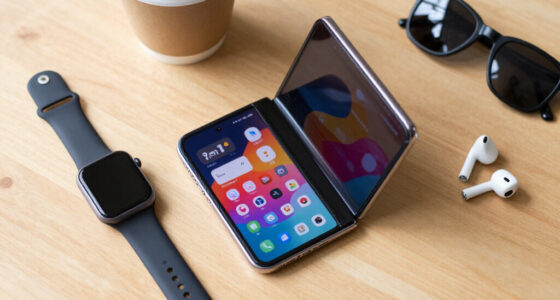
Choosing a Linux smartphone in 2026 means balancing open-source flexibility with cutting-edge hardware. The Nothing Phone (4a) Pro stands out for its sleek design and AI-enhanced camera, but it comes at a premium. The Nothing Phone (3) offers powerful performance and a distinctive Glyph Interface, yet it faces limited carrier support. Meanwhile, the Nothing Phone (3a) Pro provides impressive camera capabilities and long battery life, though it’s less compatible with some networks. Here’s how these options compare and who they’re best suited for.

Get the latest gadgets delivered free — and shop member deals
- Fast, free delivery on millions of items
- Access to Prime Big Deal Days deals on October 6–7
- Prime Video, Amazon Music and more included
Key Takeaways
- The Nothing Phone (4a) Pro excels in design, camera, and display quality but may have limited 5G support depending on the carrier.
- The Nothing Phone (3) offers flagship performance with a unique notification interface, yet carrier compatibility can be a hurdle.
- The Nothing Phone (3a) Pro combines affordability with high-end camera features and excellent battery life, but it’s less compatible with Verizon.
- All three phones support 5G, but their network support varies, affecting usability depending on location and carrier restrictions.
- Choosing the best Linux smartphone involves prioritizing either open-source software, camera capabilities, or network compatibility based on your needs.


| Linux smartphone | Display | Battery | Processor | Storage |
|---|---|---|---|---|
| Nothing Phone | 6.83-inch 144Hz AMOLED | 5080mAh | Snapdragon 7 Gen 4 | 256GB UFS 3.1 |
| Nothing Phone | 6.67-inch AMOLED, 120Hz | 5150mAh | Snapdragon 8s Gen4 | 256GB |
| Nothing Phone | 6.77-inch AMOLED, 120Hz, 3000 nits brightness | 5000mAh | Snapdragon 7s Gen 3 | 256GB |
More Details on Our Top Picks
Nothing Phone (4a) Pro Cell Phone 2026, Unlocked Android Smartphone, 12GB RAM, 256GB Storage, Triple-Lens Camera, 6.83″ AMOLED Display, 5080mAh Battery, Dual-SIM, Silver
The Nothing Phone (4a) Pro stands out for its sleek design, high-quality triple-lens camera, and vibrant 6.83-inch AMOLED display with a 144Hz refresh rate. It’s powered by a Snapdragon 7 Gen 4 processor, making it capable of handling demanding Linux apps and development environments with ease. The Glyph Matrix notifications add a unique touch for notification management, appealing to those who value aesthetics and customization. However, its limited 5G support on certain carriers and a higher price point might deter budget-conscious users. Compared to the other models, it offers the most refined hardware and user experience, but at a premium.
Pros:- High-quality triple-lens camera with AI enhancements
- Vivid 6.83-inch AMOLED display with high brightness and smooth 144Hz refresh rate
- Long-lasting 5080mAh battery with fast charging
- Unique Glyph Matrix notifications and premium build
Cons:- Limited 5G support depending on carrier
- No Verizon compatibility without setup
- Premium price may be prohibitive for some
Best for: Power users seeking a premium device with excellent hardware and a sleek design that can run Linux tools well.
Not ideal for: Users on a tight budget or those relying heavily on Verizon or other restricted networks.
- Display:6.83-inch 144Hz AMOLED
- Battery:5080mAh
- Main Camera:50MP + 50MP telephoto + 8MP ultra-wide
- Processor:Snapdragon 7 Gen 4
- RAM:12GB LPDDR5X
- Storage:256GB UFS 3.1
Our verdict“This model is perfect for users who want a high-performance, stylish device capable of running Linux with advanced features, despite its higher cost.”
Nothing Phone (3) Cell Phone, 5G Unlocked, 256GB, Android 15, Snapdragon 8s Gen4, 50MP Quad Camera, AMOLED Display, 5150mAh, Glyph Interface, Black
The Nothing Phone (3) offers flagship-level power with a Snapdragon 8s Gen4 processor, making it suitable for demanding Linux applications and multitasking. Its 6.67-inch AMOLED display with a 120Hz refresh rate provides a crisp viewing experience. The Glyph Interface offers a novel way to interact with notifications, appealing to users who enjoy customization. The phone’s robust 50MP quad-camera system caters to photography enthusiasts, while its IP68 rating adds to durability. However, limited Verizon compatibility and the need for whitelisting may restrict some users from full functionality. Compared to the 4a Pro, it trades some design refinement for raw performance and innovative features.
Pros:- Powerful Snapdragon 8s Gen4 chipset
- Bright AMOLED display with 120Hz refresh rate
- Innovative Glyph Interface for notifications
- Versatile 50MP quad-camera system
Cons:- Limited Verizon support; requires whitelisting
- Potentially high cost due to advanced features
- Carrier support may vary
Best for: Power users who prioritize performance, interactive notifications, and camera versatility.
Not ideal for: Those relying on Verizon or seeking a more open software experience without network restrictions.
- Display:6.67-inch AMOLED, 120Hz
- Battery:5150mAh
- Camera:50MP Quad Camera
- Processor:Snapdragon 8s Gen4
- Storage:256GB
- Water Resistance:IP68
Our verdict“This device is suitable for enthusiasts who want top-tier performance and unique notification features, accepting some carrier limitations.”
Nothing Phone (3a) Pro 5G Unlocked Smartphone, 12GB RAM, 256GB Storage, Grey
The Nothing Phone (3a) Pro provides a compelling mix of high-end camera features and excellent battery life. Its 6.77-inch AMOLED display, with a 120Hz refresh rate and 3000 nits brightness, makes it ideal for media consumption and photography. The 50MP periscope camera with 60x zoom and a 50MP selfie camera set it apart for photography fans. Powered by Snapdragon 7s Gen 3, it offers sufficient performance for Linux tools and daily tasks. The 5000mAh battery with 50W fast charging ensures long use between charges. However, Verizon support is limited, and network compatibility can be an issue, which may require manual IMEI registration for some users. Compared to the other two, it prioritizes camera and battery but at the expense of broader network support.
Pros:- High-resolution 50MP cameras with zoom
- Vivid AMOLED display with 120Hz refresh rate
- Long battery life with 5000mAh capacity
- Fast 50W charging
Cons:- Limited Verizon support; manual IMEI registration needed
- Network compatibility issues depending on carrier
- Less premium design compared to flagship models
Best for: Budget-conscious users who want advanced photography and long-lasting battery life with Linux compatibility.
Not ideal for: Users who depend heavily on Verizon or need plug-and-play network support without manual setup.
- Display:6.77-inch AMOLED, 120Hz, 3000 nits brightness
- Battery:5000mAh
- Main Camera:50MP Periscope with 60x zoom
- Processor:Snapdragon 7s Gen 3
- Storage:256GB
- Fast Charging:50W
Our verdict“This phone is a smart choice for users seeking powerful photography and long battery life on a budget, accepting some network setup complexity.”
How We Picked
Our selection process focused on identifying phones that either support or can be configured for Linux-based or open-source environments, prioritizing hardware quality, user experience, and community support. We evaluated each device’s hardware specifications, software openness, and compatibility with Linux tools. Carrier support was also a factor, as many Linux enthusiasts need reliable connectivity. The goal was to highlight phones that make Linux or open-source use practical, balanced with modern smartphone features.
| Linux smartphone | Processor |
|---|---|
| Nothing Phone | Snapdragon 7 Gen 4 |
| Nothing Phone | Snapdragon 8s Gen4 |
| Nothing Phone | Snapdragon 7s Gen 3 |
Factors to Consider When Choosing Best Linux Smartphones
When choosing a Linux-compatible smartphone, key considerations include hardware performance, software flexibility, network support, and camera quality. While all three phones support Linux-like environments or can be configured for open-source use, your specific needs will determine the best fit. For example, if you prioritize sleek design and advanced AI features, the Nothing Phone (4a) Pro stands out. For those seeking raw power and innovative notifications, the Nothing Phone (3) is ideal. Budget-conscious users who want photography and battery life will find the Nothing Phone (3a) Pro a compelling choice.Hardware Performance
Powerful processors like the Snapdragon 8s Gen4 and Snapdragon 7s Gen 3 ensure smooth operation of Linux tools, development environments, and multitasking. Consider your daily use and whether you need flagship performance or if mid-range hardware suffices.
Software and Linux Compatibility
While these phones run Android, their open interface and community support make them adaptable for Linux or custom OS installations. Compatibility varies based on carrier restrictions and the availability of custom ROMs or Linux tools.
Carrier Support and Connectivity
Carrier compatibility is a significant factor. Phones like the 4a Pro and 3a Pro face limitations on Verizon, requiring manual registration or setup. Confirm your carrier’s support before purchasing if network connectivity is critical.
Camera and Battery Life
Photography and battery endurance are often overlooked in Linux phones but remain important for daily use. The 3a Pro offers excellent zoom and battery life, whereas the 4a Pro excels in camera quality and display brilliance.
Frequently Asked Questions
Can these phones run Linux natively?
While none of these phones come with Linux pre-installed, their hardware and open interface support community-driven projects that enable Linux or Linux-like environments. Users often need to flash custom ROMs or modify software, which requires technical knowledge.
Will I have full carrier support with these phones?
Carrier support varies, especially for Verizon, where manual registration or whitelisting may be necessary. For more seamless experience, verify compatibility with your network provider before purchase.
Are these phones suitable for development work or running Linux apps?
Yes, their hardware specs, especially on the Snapdragon 8s Gen4 and 7s Gen 3 models, make them capable of running Linux-based tools, development environments, and emulators. Community support and custom ROM availability enhance this compatibility.
How do these phones compare in terms of software updates?
Android 15 and 16 on these models ensure access to recent security patches and features, but support duration depends on manufacturer updates. Open-source enthusiasts often customize their OS, extending usability beyond stock updates.
What should I consider before choosing a Linux-compatible smartphone?
Prioritize hardware performance, network support, and community availability for Linux or open-source projects. Also, consider your budget and whether you need features like a premium camera or long battery life, as these influence the best choice among these models.
Conclusion
If you’re a power user or developer aiming for a premium device with excellent hardware and customization potential, the Nothing Phone (4a) Pro offers unmatched elegance and features, albeit at a higher price. Those who want a blend of flagship performance and innovative notification systems should consider the Nothing Phone (3), especially if they’re willing to deal with some carrier limitations. Budget-conscious users focused on photography and battery life will find the Nothing Phone (3a) Pro to be the most practical choice, despite some network restrictions. Your ideal pick depends on your priorities: premium features, performance, or affordability combined with Linux flexibility.
Fall Picks
fall essentials
As an affiliate, we earn on qualifying purchases.