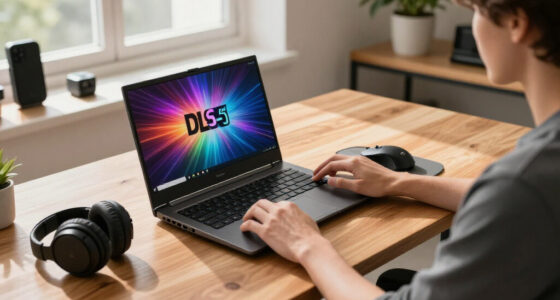
Finding the right laptops and electronics for students involves balancing performance, affordability, portability, and durability. The Samsung Galaxy Chromebook Go stands out for its affordability and ChromeOS simplicity, ideal for light browsing and note-taking. The HP Ultralight Laptop offers a strong mix of speed and portability for students who need a versatile machine, while the HP OmniBook 17.3 caters to those requiring a larger display for multitasking or media. Most students face compromises between price and power, portability and screen size, or operating systems. Continue reading for a detailed breakdown of each option’s strengths and tradeoffs, helping you find the best fit for your needs.
Listen free for 30 days with Audible
Thousands of audiobooks and originals — cancel anytime.
Start your free trialAs an affiliate, we earn on qualifying purchases.
Complete the kit



Key Takeaways
- Chromebooks excel in affordability and simplicity, making them perfect for basic tasks but limited for heavy multitasking.
- Ultralight laptops prioritize portability but often have less processing power and storage, suitable for students on the go.
- Larger screens improve multitasking and media use but add weight and reduce battery life, requiring a balance based on daily needs.
- Windows laptops offer greater software compatibility and customization options, often at a slightly higher price point.
- Battery life varies widely; lighter models tend to last less, so consider daily usage patterns when choosing.


| laptops and electronics for student | Processor | RAM | Storage | Display |
|---|---|---|---|---|
| Samsung 14" Galaxy Chromebook | Intel Celeron N4500 | 4GB | 64GB | 14 inches |
| HP 14" Ultralight Laptop for S | Intel Celeron | 8GB DDR4 | 192GB | 14 inch HD |
| HP Portable Laptop | Intel Celeron N4120 | 16GB DDR4 | 64GB eMMC | 14 inches, 1366 x 768 |
| HP Essential Laptop Computer w | Intel N150 quad-core | 4GB | 128GB SSD | 14-inch LED, 1366 x 768 |
| HP Chromebook 14" HD Laptop fo | Intel Celeron N4120 | 4GB | 64GB eMMC | 14-inch HD |
| HP 14 Student Laptop | Intel Celeron N150 (Quad-Core, up to 3.6 GHz) | 4GB DDR4 | 128GB UFS SSD | 14-inch HD (1366×768) micro-edge |
| Lenovo IdeaPad 3i Chromebook | Intel Celeron N4500 | 8GB | 64GB eMMC | 15.6” FHD (1920×1080) |
| HP 14-inch Ultra-Portable Lapt | Intel N150 Quad-Core up to 3.6 GHz | 4GB | 128GB SSD + 500GB External | 14-inch HD |
| HP Chromebook 14" HD Laptop | Intel Celeron N4500 | 4GB DDR4 | 64GB eMMC | 14-inch HD (1366×768), micro-edge, anti-glare |
| HP OmniBook 3 17.3 inch Laptop | AMD Ryzen 3 30 | 8 GB LPDDR5 | 512 GB PCIe NVMe M.2 SSD | 17.3 inch FHD IPS |
| 15.6 Inch Laptop with Office 3 | Intel 5205U 1.9GHz | 4GB DDR3 SDRAM | 128GB SSD, expandable to 1TB | — |
| HP 15.6 inch Laptop with Touch | AMD Ryzen 3 7320U | 8 GB LPDDR5 | 128 GB PCIe NVMe SSD | 15.6 inch HD Touchscreen |
| Lenovo Flagship Chromebook 14" | MediaTek Kompanio 520 Octa-Core | 4GB | 64GB eMMC | 14-inch FHD Touchscreen |
| HP Chromebook 11A G8 Education | AMD A4-9120C Dual Core 1.6 GHz | 4GB DDR4-1866 SDRAM | 32GB eMMC | 11.6-inch HD (1366 x 768), anti-glare |
| HP Stream 14 Laptop for Studen | Intel N150 Quad-core | 8GB | 128GB UFS | 14-inch HD anti-glare |
More Details on Our Top Picks
Samsung 14″ Galaxy Chromebook Go Laptop PC – Intel Celeron N4500, 4GB RAM, 64GB Storage, ChromeOS, Silver
The Samsung Galaxy Chromebook Go stands out as the most balanced option for students prioritizing portability and ruggedness. Its lightweight, slim design paired with a durable build means it’s ideal for carrying throughout busy school days. While the 64GB storage and 4GB RAM limit multitasking and large app use, these tradeoffs are acceptable for those primarily engaging with cloud-based apps and Chrome extensions. Compared with the HP Chromebook 14, it offers a more rugged chassis but at the expense of storage capacity. This model’s long-lasting 12-hour battery is perfect for all-day classes, though its less powerful processor might struggle with intensive multitasking or demanding software. Best suited for students needing a tough, portable device for light tasks and cloud use.
Pros:- Lightweight and slim design enhances portability
- Long battery life supports all-day usage
- Rugged construction offers durability for daily wear
Cons:- Limited storage at 64GB may necessitate frequent cloud reliance
- Only 4GB RAM can hinder multitasking with multiple apps or tabs
- Processor may be underpowered for demanding tasks
Best for: Students who need a durable, lightweight Chromebook for on-the-go use and cloud-based tasks
Not ideal for: Students requiring large local storage or intensive multitasking, such as video editing or heavy research
- Processor:Intel Celeron N4500
- RAM:4GB
- Storage:64GB
- Display:14 inches
- Operating System:ChromeOS
- Battery Life:Up to 12 hours
Our verdict“This Chromebook is perfect for students who prioritize durability and portability over local storage and high-performance multitasking.”
HP 14″ Ultralight Laptop for Students and Business, Intel Quad-Core, 8GB RAM, 192GB Storage, Windows 11 S
The HP 14″ Ultralight Laptop offers a well-rounded package for students needing a versatile device capable of handling multiple tasks. Its 8GB RAM makes multitasking smoother than the 4GB options, including the HP Chromebook 14, which struggles with heavier loads. The 192GB storage provides more space for documents and apps, though it still isn’t ideal for large media libraries. The inclusion of Windows 11 S mode offers security and efficiency, yet it may restrict app flexibility compared to full Windows versions. Its lightweight design and multiple ports make it suitable for students who need a portable, connected device for school and light business work. Best suited for students who want a balance of performance, portability, and productivity features.
Pros:- Adequate 8GB RAM improves multitasking
- Includes Office 365 subscription for productivity
- Lightweight with multiple connectivity options
Cons:- Processor may be insufficient for intensive applications
- Limited storage at 192GB may require cloud reliance or external drives
- Windows 11 S mode restricts app installation flexibility
Best for: Students balancing schoolwork and light administrative tasks who prefer Windows over Chrome OS
Not ideal for: Students requiring extensive local storage or high-powered software for demanding tasks
- Processor:Intel Celeron
- RAM:8GB DDR4
- Storage:192GB
- Display:14 inch HD
- Operating System:Windows 11 S
- Ports:USB C, USB 3.1, HDMI, SD reader
Our verdict“This laptop is a smart choice for students seeking a portable Windows device with decent multitasking capabilities for everyday tasks.”
HP Portable Laptop, 14″ HD Display, Intel N4120, 16GB RAM, 64GB eMMC, Windows 11 Home, Blue
The HP Portable Laptop distinguishes itself with a surprisingly large 16GB RAM, making it better suited for multitasking than many similarly priced models with less memory. Its 64GB eMMC storage is quite limited, meaning most students will need external storage or cloud services. The Intel N4120 processor is modest but adequate for basic tasks like note-taking, browsing, and document editing. Its compact size and lightweight build are ideal for students who prefer a full Windows experience without extra bulk. Compared with the HP Chromebook 14, it offers more RAM but less storage and a more traditional Windows environment, which some users may find more familiar. Best for students who need a lightweight Windows laptop with ample RAM for everyday multitasking.
Pros:- Large 16GB RAM enables smooth multitasking
- Lightweight and portable design
- Windows 11 Home pre-installed for compatibility
Cons:- Limited storage at 64GB may require external drives
- Processor may be slow for intensive tasks
- Display resolution is basic at 1366 x 768 pixels
Best for: Students who want a Windows-based device with good multitasking capability in a portable form
Not ideal for: Students requiring large local storage or more powerful processing for demanding applications
- Processor:Intel Celeron N4120
- RAM:16GB DDR4
- Storage:64GB eMMC
- Display:14 inches, 1366 x 768
- Operating System:Windows 11 Home
- Weight:3.2 pounds
Our verdict“This laptop is ideal for students who need a portable Windows device with significant RAM for multitasking and light use.”
HP Essential Laptop Computer with Office 365, 128GB Storage, Intel Processor, 14″ LED Display, Docking Station, Windows 11 S
The HP Essential Laptop offers a balanced mix of performance and connectivity, especially with its 128GB SSD and multiple ports. Its Intel N150 quad-core processor, while not designed for heavy multitasking, is sufficient for word processing, browsing, and school assignments. The inclusion of Office 365 and Windows 11 S mode makes it an appealing choice for students who prioritize productivity and security. Its dock and port options enhance versatility, especially for those who need to connect external monitors or peripherals. Compared to the HP Chromebook 14, it provides a more traditional Windows environment but with a lower-resolution display. Best for students who focus on productivity, office work, and reliable connectivity in a portable form.
Pros:- Fast SSD storage enhances responsiveness
- Multiple ports support versatile connectivity
- Pre-installed with Office 365 and Windows 11 S mode
Cons:- Low display resolution at 1366 x 768
- Only 4GB RAM may limit multitasking
- Battery life details are not specified
Best for: Students needing a Windows device for office tasks, note-taking, and remote learning
Not ideal for: Students requiring high storage capacity or demanding software for multimedia projects
- Processor:Intel N150 quad-core
- RAM:4GB
- Storage:128GB SSD
- Display:14-inch LED, 1366 x 768
- Operating System:Windows 11 S
- Ports:USB-C, USB 3.0, HDMI, SD slot
Our verdict“This laptop fits students needing a reliable, portable Windows device with Office integration for everyday academic tasks.”
HP Chromebook 14″ HD Laptop for College Students and Business, Chrome OS, Intel Celeron N4120, 4GB RAM, 64GB Storage, Modern Gray
The HP Chromebook 14″ HD offers a stylish and lightweight design, with a focus on cloud-based productivity. Its Chrome OS provides fast startup and seamless Google app integration, making it suitable for students who primarily work online. The 4GB RAM and 64GB storage limit local multitasking and file storage, similar to the Samsung Chromebook Go, but with a more modern aesthetic. Its long battery life of up to 14 hours makes it a reliable companion for long days. Compared with the Windows-based HP models, this Chromebook emphasizes simplicity and security over local computing power. It’s an excellent choice for students who mostly need web-based tools and light multitasking. Best for students who rely on cloud services and want a sleek, portable device for everyday tasks.
Pros:- Long battery life supports extensive usage
- Lightweight and stylish design
- Fast, secure Chrome OS with quick boot times
Cons:- Limited local storage at 64GB
- Only 4GB RAM may hinder multitasking with multiple apps
- Processor may not handle demanding offline tasks
Best for: Students engaged mainly in cloud applications, browsing, and document editing
Not ideal for: Students requiring large local storage or intensive offline multitasking
- Display:14-inch HD
- Processor:Intel Celeron N4120
- RAM:4GB
- Storage:64GB eMMC
- Battery Life:Up to 14 hours
- Operating System:Chrome OS
Our verdict“This Chromebook is ideal for students who prioritize portability, battery life, and primarily use cloud-based applications.”
HP 14 Student Laptop – Quad-Core Processor, 4GB RAM, 128GB SSD, Windows 11, 1-Year Office 365, Natural Silver
This HP 14-inch laptop stands out as a reliable choice for students needing a balanced mix of portability and performance. Its quad-core Intel Celeron N150 processor ensures smooth multitasking for typical coursework, outperforming many Chromebooks like the Lenovo IdeaPad 3i Chromebook in processing power. The 4GB RAM is sufficient for daily tasks but might lag with multiple demanding applications, making it less ideal for heavy multitasking or creative work. The 128GB SSD offers quick boot times and ample space for documents, though it falls short compared to the HP OmniBook 3’s larger internal storage, which suits students with more media or project files. The HD (1366×768) display is adequate but less sharp than Full HD screens, a compromise for affordability. Its lightweight build (3.24 lbs) and battery life up to 11 hours support all-day use. Overall, this model balances affordability and essential features, making it an excellent pick for students on a budget who prioritize portability and productivity tools.
Pros:- Fast quad-core processor suitable for multitasking
- Lightweight and portable for easy carrying
- Includes Windows 11 and 1-year Office 365 Copilot AI for productivity
- Long battery life up to 11 hours
Cons:- HD (1366×768) display may not meet visual clarity needs
- Limited 4GB RAM could hinder performance with multiple apps
- No dedicated graphics card for graphics-intensive tasks
Best for: Budget-conscious students who need a dependable, portable device for everyday tasks and light multitasking.
Not ideal for: Students requiring high-resolution displays or intensive multitasking, such as multimedia editing or gaming.
- Processor:Intel Celeron N150 (Quad-Core, up to 3.6 GHz)
- RAM:4GB DDR4
- Storage:128GB UFS SSD
- Display:14-inch HD (1366×768) micro-edge
- Graphics:Intel UHD Graphics
- Battery Life:Up to 11 hours
Our verdict“This laptop offers a well-rounded experience for students who need affordability, portability, and basic performance without high-end specs.”
Lenovo IdeaPad 3i Chromebook, 15.6” FHD Display, Intel Celeron N4500, 8GB RAM, 64GB eMMC, Chrome OS, Abyss Blue
The Lenovo IdeaPad 3i Chromebook makes a compelling case for students prioritizing a sizable display and seamless web-based productivity. Its 15.6-inch Full HD screen surpasses the HP Chromebook 14 in visual clarity, offering a more enjoyable experience for reading and browsing. The 8GB RAM provides smoother multitasking compared to the HP Chromebook 14 or HP Chromebook 11A, making it more capable for multiple tabs or light productivity apps. However, its 64GB eMMC storage limits local file storage, which could be restrictive for students with large downloads or offline work—this is less than ideal compared to Windows-based options like the HP 14 or HP OmniBook 3. The processor, Intel Celeron N4500, is capable but not suited for intensive tasks. Its battery life up to 10 hours supports all-day use, and its lightweight design enhances portability. This Chromebook excels for students who rely heavily on web-based applications and need a large, crisp display at a budget-friendly price.
Pros:- Vivid 15.6-inch Full HD display for sharp visuals
- Long-lasting battery up to 10 hours
- Lightweight and portable for on-the-go use
- 8GB RAM improves multitasking
Cons:- Limited 64GB storage may necessitate external drives
- Processor may struggle with more demanding apps
- No touchscreen feature available
Best for: Students who primarily use Google Workspace and need a large, clear display for daily browsing and note-taking.
Not ideal for: Students requiring extensive local storage or running demanding applications outside Chrome OS.
- Display:15.6” FHD (1920×1080)
- Processor:Intel Celeron N4500
- RAM:8GB
- Storage:64GB eMMC
- Operating System:Chrome OS
- Battery Life:Up to 10 hours
Our verdict“Ideal for students needing a large, vibrant display and seamless web experience without high storage or processing demands.”
HP 14-inch Ultra-Portable Laptop with Windows 11 Pro and Office 2024
This HP 14-inch model offers a versatile mix of portability and performance, making it suitable for students who also juggle part-time work or internships. Its quad-core Intel N150 processor and 128GB SSD ensure quick responsiveness for standard productivity tasks, outperforming Chromebooks like the Lenovo IdeaPad 3i in multitasking flexibility. The inclusion of Windows 11 Pro and Office 2024 pre-installed caters to students who need advanced features, especially for professional or academic projects. Its 4GB RAM is a potential bottleneck for heavy multitasking, similar to other lightweight options, but the bundled accessories—docking station, external drive, and wireless mouse—add significant value for those ready to set up a mobile workstation. With a total storage of 628GB combining internal and external drives, it balances portability with ample space. It’s heavier than ultralight laptops but offers a broader feature set for serious productivity.
Pros:- Fast performance with SSD and quad-core processor
- Includes Windows 11 Pro and Office 2024 for advanced productivity
- Bundle of accessories enhances usability and setup
- Lightweight and portable for mobility
Cons:- Limited 4GB RAM may affect heavy multitasking
- External storage relies on external drive, not internal
- No dedicated graphics card for gaming or graphic-intensive tasks
Best for: Students who need a portable yet powerful device suitable for multitasking, productivity, and light professional work.
Not ideal for: Students seeking a budget-friendly, minimal device primarily for browsing or streaming, as this model is more feature-rich and pricier.
- Display:14-inch HD
- Processor:Intel N150 Quad-Core up to 3.6 GHz
- RAM:4GB
- Storage:128GB SSD + 500GB External
- Operating System:Windows 11 Pro
- Included Accessories:USB-C Docking Station, external drive, HDMI cable, mouse pad, wireless mouse
Our verdict“This laptop suits students balancing academic and professional tasks who need a portable Windows device with expanded storage options.”
HP Chromebook 14″ HD Laptop, Intel Celeron N4500, 4GB RAM, 64GB eMMC, Chrome OS, Gray
This HP Chromebook 14-inch model is designed for students who mainly rely on web applications and Google services. Its 14-inch HD display provides decent visuals for browsing and note-taking, although the resolution might not satisfy users demanding sharper images. The Intel Celeron N4500 processor and 4GB RAM are sufficient for basic tasks but will limit performance with multiple tabs or offline applications, similar to the HP Chromebook 11A. Its 64GB storage is minimal, suitable for cloud storage but restrictive for large files or offline media. The device’s long battery life and fast charging capabilities make it ideal for all-day use in classrooms or libraries. Compared to more robust Windows models, this Chromebook’s simplicity reduces performance but benefits users preferring quick boot times and seamless Google integration.
Pros:- Lightweight and portable design
- Fast boot times and web access with Chrome OS
- Long battery life with fast charging
- Affordable price point
Cons:- Limited internal storage for offline files
- Performance may lag with demanding tasks
- HD resolution may not be sharp enough for detailed visuals
Best for: Students whose coursework is web-based, requiring minimal offline storage and simple multitasking.
Not ideal for: Students needing local storage for large files or running resource-heavy applications such as photo editing or coding environments.
- Processor:Intel Celeron N4500
- Display:14-inch HD (1366×768), micro-edge, anti-glare
- RAM:4GB DDR4
- Storage:64GB eMMC
- Operating System:Chrome OS
- Battery Life:Up to 10 hours
Our verdict“Best suited for students focused on browsing, note-taking, and cloud-based work without heavy offline storage needs.”
HP OmniBook 3 17.3 inch Laptop PC with FHD Display, AMD Ryzen 3 30, 8 GB RAM, 512 GB SSD, Windows 11 Home
The HP OmniBook 3’s large 17.3-inch Full HD display makes it ideal for students who spend significant time on multimedia tasks, note-taking, or streaming. Its AMD Ryzen 3 30 processor and 8GB RAM outpace the lightweight options like the HP 14 or Chromebook 15.6 in handling multitasking and media editing, though it lacks a dedicated graphics card, limiting high-end gaming or heavy graphics work. The 512GB SSD provides ample internal storage, surpassing most lightweight models, making it suitable for storing large files and projects. Its long battery life—over 14 hours—and fast charging support extended use without frequent recharges. The bulky size might hinder portability for some students, but its large screen and robust specs make it a strong choice for those who prioritize viewing comfort and multitasking capacity over extreme portability.
Pros:- Large 17.3-inch FHD display with vibrant visuals
- Long battery life with fast charging
- Ample internal storage with 512GB SSD
- Modern connectivity including Wi-Fi 6 and Bluetooth 5.4
Cons:- Processor limited for high-end gaming or intensive tasks
- No dedicated graphics card for heavy visual work
- Potentially bulky for students needing extreme portability
Best for: Students who need a large display for multitasking, streaming, or creative work, and can accommodate a slightly bulkier device.
Not ideal for: Students who prioritize ultra-light portability or are limited by space in their backpacks or study areas.
- Display:17.3 inch FHD IPS
- Processor:AMD Ryzen 3 30
- RAM:8 GB LPDDR5
- Storage:512 GB PCIe NVMe M.2 SSD
- Graphics:AMD Radeon 610M
- Battery Life:Up to 14 hours 15 minutes
Our verdict“This laptop suits students requiring a large, comfortable screen and robust storage for multimedia and multitasking, accepting some portability tradeoffs.”
15.6 Inch Laptop with Office 365, 4GB RAM, 128GB Storage, Expandable to 1TB, Intel 5205U, HD Display, Windows 11, Wi-Fi 5, Bluetooth 4.2, Numpad, Type-C, for Business and Students
This 15.6-inch laptop excels in portability, making it an ideal choice for students who prioritize mobility. Its lightweight design and long battery life support on-the-go use, especially compared to bulkier options like the HP Stream. However, its 1366×768 display and only 4GB RAM limit multitasking and visual clarity, which can hinder productivity during intensive tasks. The expandability to 1TB offers flexible storage, but performance may struggle with demanding applications. It’s perfect for casual schoolwork and basic business tasks, but not suited for heavy multitasking or media editing.
Pros:- Lightweight and highly portable for easy carrying
- Pre-installed with Windows 11 and Office 365 for immediate use
- Expandable storage up to 1TB for flexible file management
- Versatile connectivity including Type-C and HDMI
Cons:- Display resolution limited to 1366×768, which is below Full HD
- Only 4GB RAM, insufficient for heavy multitasking
- Processor performance may be limited for demanding applications
Best for: Budget-conscious students needing a portable device for basic tasks and occasional multitasking
Not ideal for: Students requiring high-resolution screens or heavy multitasking, as the limited RAM and display resolution may hamper productivity
- Display Size:15.6 inches
- Resolution:1366 x 768 pixels
- Processor:Intel 5205U 1.9GHz
- RAM:4GB DDR3 SDRAM
- Storage:128GB SSD, expandable to 1TB
- Operating System:Windows 11
- Battery Life:8 hours
- Weight:3.6 lbs (1.63 kg)
- Connectivity:Wi-Fi 5, Bluetooth 4.2, USB Type-C, HDMI, SD Card Reader
Our verdict“This laptop makes the most sense for students on a tight budget who need a lightweight device for basic tasks and portability.”
HP 15.6 inch Laptop with Touchscreen, AMD Ryzen 3, 8GB RAM, 128GB SSD, Windows 11 Home
This HP model stands out for its responsive AMD Ryzen 3 processor and 8GB RAM, delivering smoother multitasking compared to the 4GB options like the Lenovo Chromebook. The touchscreen adds convenience for navigation and multimedia, making it more versatile for students who prefer touch inputs. Its 128GB SSD ensures quick boot times and app loading, but storage may fill quickly if large files or media are involved, unlike higher-capacity models. The inclusion of Wi-Fi 6 and Bluetooth 5.4 ensures up-to-date wireless performance. However, the S Mode restricts some software installations, which could be limiting for advanced users. Overall, it’s a balanced choice for students wanting speed and modern features.
Pros:- Fast AMD Ryzen 3 processor with 8GB RAM for smooth multitasking
- Touchscreen display enhances interaction and media consumption
- Wi-Fi 6 and Bluetooth 5.4 for faster wireless connectivity
- Pre-installed with Windows 11 Home in S Mode for security
Cons:- Limited internal storage of 128GB SSD may require external drives
- S Mode restricts software flexibility, possibly complicating software installation
- Display resolution of 1366 x 768 may be less sharp for some users
Best for: Students who need a responsive, modern laptop with touchscreen capabilities for multitasking and media use
Not ideal for: Students with extensive storage needs or those who require the flexibility to install a wide range of software outside S Mode
- Display:15.6 inch HD Touchscreen
- Processor:AMD Ryzen 3 7320U
- RAM:8 GB LPDDR5
- Storage:128 GB PCIe NVMe SSD
- Graphics:AMD Radeon
- Operating System:Windows 11 Home in S Mode
- Connectivity:Wi-Fi 6, Bluetooth 5.4
Our verdict“This pick is ideal for students seeking a blend of speed, touchscreen convenience, and modern connectivity, but with some storage and software limitations.”
Lenovo Flagship Chromebook 14″ FHD Touchscreen Laptop, Abyss Blue
This Lenovo Chromebook excels in portability with its lightweight design and high-resolution FHD touchscreen, making it perfect for students focused on online learning and remote work. The octa-core MediaTek processor provides sufficient speed for browsing, streaming, and basic productivity, outperforming lower-power chips like Intel Celeron. Its 64GB eMMC storage is minimal, but cloud storage options and external drives mitigate this limitation. The support for WiFi 6 ensures fast wireless connectivity, and the touchscreen allows intuitive interaction. However, the limited storage and absence of a dedicated GPU restrict use for large media projects or gaming. Compared to heavier or less capable Chromebooks, this model offers a sleek balance of performance and portability.
Pros:- High-resolution 14-inch FHD IPS touchscreen for clear visuals
- Powerful octa-core MediaTek processor for smooth browsing
- Lightweight design under 3 lbs for easy carrying
- Supports WiFi 6 for fast wireless connectivity
Cons:- Limited internal storage of 64GB, requiring reliance on cloud or external storage
- Only 4GB RAM may limit multitasking with multiple tabs or apps
- No dedicated GPU for graphics-intensive applications
Best for: Students seeking a lightweight, high-res touchscreen Chromebook optimized for online tasks and portability
Not ideal for: Students needing large local storage or high-end graphics for content creation or gaming
- Display:14-inch FHD Touchscreen
- Processor:MediaTek Kompanio 520 Octa-Core
- RAM:4GB
- Storage:64GB eMMC
- Webcam:720p HD with Privacy Shutter
- Connectivity:WiFi 6, Bluetooth 5.1
- Weight:2.86 lbs
Our verdict“This Chromebook offers a portable, high-res touchscreen experience ideal for students prioritizing mobility and online learning without heavy local storage needs.”
HP Chromebook 11A G8 Education Edition, AMD A4-9120C, 4GB RAM, 32GB eMMC, 11.6-inch HD Display, Chrome OS
This HP Chromebook is tailored for students who need a rugged device built to withstand the rigors of daily school use. Its spill-resistant design, reinforced corners, and drop-tested construction outperform more fragile laptops like the HP Stream for durability. The small 11.6-inch HD display and 32GB storage limit multimedia and multitasking, but the long battery life and fast Chrome OS boot times enhance daily productivity. The device’s simple interface and cloud-focused storage make it ideal for basic online tasks, but it’s less suitable for power users or those with large local files. Overall, a solid choice for younger students or classrooms where durability is prioritized over high performance.
Pros:- Durable, spill-resistant and reinforced for everyday classroom use
- Long battery life with quick recharging capabilities
- Lightweight and easy to carry at just 3 pounds
- Fast Chrome OS boot and cloud-based operation
Cons:- Internal storage of only 32GB, limiting local files
- HD display may feel outdated compared to higher-res screens
- Processor performance may be insufficient for demanding tasks
Best for: Younger students or K-12 environments needing a tough, reliable device for basic tasks and online learning
Not ideal for: Students who require substantial storage or do multimedia editing, as the device’s specs are quite modest
- Processor:AMD A4-9120C Dual Core 1.6 GHz
- Graphics:AMD Radeon R4
- RAM:4GB DDR4-1866 SDRAM
- Storage:32GB eMMC
- Display:11.6-inch HD (1366 x 768), anti-glare
- Battery:47 Wh, 2-cell Li-ion polymer
- Connectivity:Wi-Fi 5, Bluetooth 4.2
Our verdict“This Chromebook is ideal for younger students or classrooms requiring durable devices for basic online learning and everyday use.”
HP Stream 14 Laptop for Students and Professionals, 8GB RAM, 128GB UFS, Windows 11 S, Rose Gold, with USB-C Hub
This HP Stream 14 balances portability with productivity, offering 11 hours of battery life and a modern design in Rose Gold. Its quad-core Intel N150 processor and 8GB RAM make it a more capable multitasker compared to basic models like the HP Chromebook 11A. The inclusion of a USB-C Hub adds flexibility for connecting peripherals, making it suitable for remote work or study sessions. The 128GB UFS storage provides quicker data access than eMMC options, but storage may be tight for large files or media collections. Windows 11 S mode offers security, but limits software installation, potentially frustrating power users. Overall, this model suits students who need a lightweight, stylish device with extended battery life and versatile connectivity.
Pros:- Long-lasting 11-hour battery with fast charging
- Lightweight and stylish Rose Gold finish
- Pre-installed with Office 365 and Copilot AI features for productivity
- Includes USB-C Hub for expanded connectivity
Cons:- Limited to 128GB storage, may require external drives
- HD display may not meet high-end graphic or multimedia needs
- Windows 11 S mode restricts software flexibility
Best for: Students and remote workers needing long battery life, stylish design, and flexible connectivity for daily productivity
Not ideal for: Users with extensive storage needs or those wanting unrestricted Windows software installation
- Processor:Intel N150 Quad-core
- RAM:8GB
- Storage:128GB UFS
- Display:14-inch HD anti-glare
- Battery Life:11 hours
- Weight:3.24 lbs
- Operating System:Windows 11 S
Our verdict“This laptop is ideal for students seeking a stylish, long-lasting device with versatile connectivity for everyday productivity, but with limited storage and software flexibility.”

How We Picked
The products were evaluated based on a combination of performance, portability, build quality, price, and versatility. We prioritized devices that strike a good balance for student use—meaning they are lightweight, durable, and capable of handling typical school tasks like note-taking, research, and light multitasking. Devices with longer battery life and reliable connectivity were favored, as students often spend long hours on campus or commuting. Our ranking emphasizes value, ensuring each option provides a meaningful benefit relative to its price, and includes a variety of operating systems and form factors to match different student needs.Factors to Consider When Choosing Laptops And Electronics For Students
Choosing the right electronics for students involves understanding key factors that influence usability, longevity, and value. Beyond specs, a device’s design, ecosystem, and price point matter greatly. Knowing what to prioritize can prevent overspending or ending up with a machine that doesn’t meet daily demands. Here are some important considerations to guide your purchase.Performance and Processing Power
For most students, a balance of speed and efficiency is essential. Basic tasks like browsing, document editing, and streaming don’t require high-end processors, but multitasking or running multiple applications can demand more power. Devices with Intel Core i3 or AMD Ryzen 3 processors typically handle everyday tasks well, while Chromebooks with Intel Celeron are suitable for lighter use. Overpaying for high-end specs can be unnecessary unless you plan to do photo editing or other intensive work, so choose a processor that matches your workload to avoid overspending.
Portability and Battery Life
Students benefit from lightweight designs that are easy to carry around, but smaller laptops often sacrifice battery capacity. If you spend long hours on campus, prioritize models with at least 8 hours of battery life—even if it means opting for a slightly larger device. Conversely, ultra-portable options might need frequent recharges, so consider your daily schedule and whether you’ll have easy access to power outlets. Think about whether weight or battery life matters more for your typical day.
Operating System and Ecosystem Compatibility
The choice between Windows, ChromeOS, and macOS depends on your software needs and ecosystem preferences. Chromebooks are excellent for simple web-based tasks and tend to be more affordable but are limited outside of Google’s ecosystem. Windows laptops offer compatibility with a broader range of applications, including specialized software for courses. macOS is less common for students due to price but is favored for creative work. Select an OS that aligns with your coursework and existing devices, avoiding compatibility frustrations later.
Durability and Build Quality
Students often carry their devices everywhere, so durability matters. Look for models with sturdy chassis, spill-resistant keyboards, and quality hinges. Cheaper plastic builds can break or wear out faster, leading to additional costs. If you’re rough on your gear or commute regularly, investing in a slightly more expensive but more durable device can save money over time. Consider also whether a protective case or sleeve can extend your device’s lifespan.
Storage and Expandability
Solid-state drives (SSDs) provide faster performance and greater durability than traditional HDDs. For students, 128GB of storage often suffices for documents and media, but if you work with larger files or multimedia projects, look for options with more space or the ability to expand via SD cards or external drives. Cloud storage subscriptions can supplement local storage, but having enough onboard capacity is important for offline work, especially during commutes or in areas with limited internet access.
Frequently Asked Questions
Should I choose a Chromebook or a Windows laptop for school?
Chromebooks are generally more affordable, lighter, and easier to use for browsing, note-taking, and cloud-based tasks. They work well for students who mostly rely on web apps and Google services. Windows laptops tend to be more versatile, supporting a wider range of software, including specialized academic tools or creative programs. If your coursework involves software that isn’t web-based, a Windows device might be the better choice. Consider your specific needs and whether you prefer simplicity or flexibility.
How much RAM do I need as a student?
For typical student use—such as browsing, document editing, and streaming—8GB of RAM is a comfortable minimum. It allows for smooth multitasking and running multiple tabs or applications without lag. If you plan to run heavier applications or multitask heavily, opting for 16GB can provide extra headroom. However, for most lightweight tasks, 4GB RAM can suffice in Chromebooks or budget Windows laptops, but it may limit future-proofing and multitasking capacity.
Is a larger screen better for students?
A bigger display, like 15.6 inches, can enhance multitasking and media consumption, making it easier to view multiple windows or detailed content. However, larger screens often mean increased weight and shorter battery life, which can be inconvenient for portability. Smaller screens, like 11 or 13 inches, are easier to carry and often have better battery longevity but may be less comfortable for extended work sessions. Consider your daily routine—if you’re often on the move, a smaller device may suit you better.
Should I prioritize battery life or performance?
Battery life and performance are linked but often trade off. For students who spend long days on campus or in transit, prioritizing battery life ensures your device lasts through the day without needing a recharge. If your coursework requires running demanding applications, performance becomes critical, but it may come with shorter battery durations. The best approach is to assess your daily schedule: if mobility and all-day usability are priorities, choose a device with longer battery life; if intensive tasks are frequent, balance with a capable processor.
Are refurbished or used laptops a good option for students?
Refurbished or used laptops can offer significant savings, making higher-end models more accessible. Reputable refurbishers test and refurbish devices thoroughly, often including warranties, which adds peace of mind. However, older devices may lack the latest features, have reduced battery life, or be more prone to issues over time. If you opt for a refurbished unit, verify the seller’s reputation, warranty coverage, and return policies. For students on a strict budget, a certified refurbished device can be a reliable choice if chosen carefully.
Conclusion
For those seeking the best overall experience, the HP Ultralight Laptop offers a compelling mix of portability and performance suitable for most students. If affordability and simplicity are key, a Chromebook like the Lenovo IdeaPad Chromebook provides excellent value. Students new to laptops or with basic needs should consider models with straightforward operation and durable builds, such as the HP Chromebook 11A G8. For heavy multitaskers or multimedia users, larger screens like the HP OmniBook 17.3 or a mid-range Windows laptop will serve better. Budget-conscious buyers should look at refurbished options, while power users might prefer premium models like the HP Stream 14 with higher RAM and storage. Tailor your choice to your daily routine, coursework, and budget for the best results.
As an affiliate, we earn on qualifying purchases.Flea & tick season Picks
flea and tick prevention