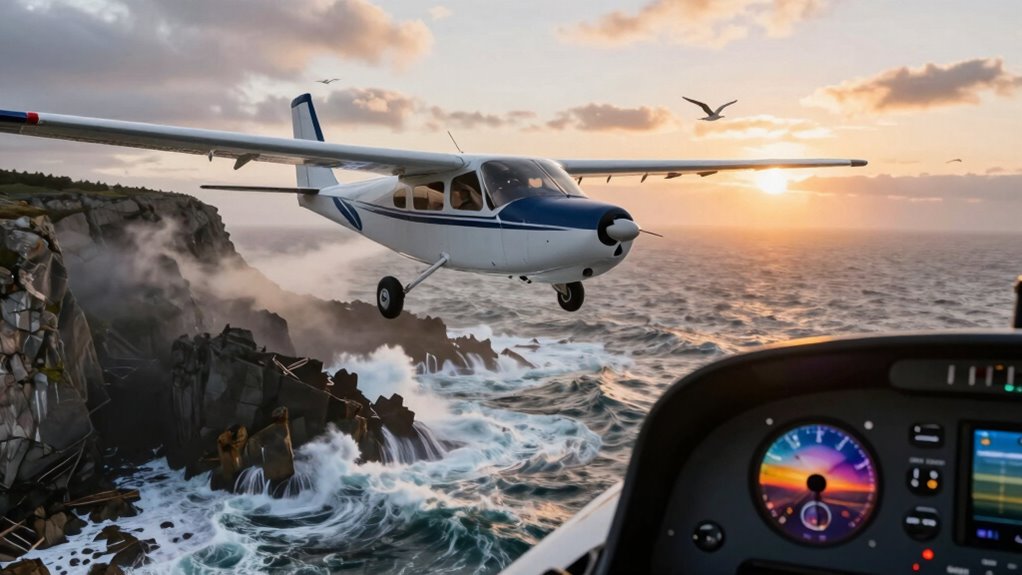

Coastal flying demands more thought because of complex geography, shifting landmarks, and rapidly changing weather conditions that can surprise even experienced pilots. You must constantly cross-check charts, instruments, and position reports while monitoring environmental factors like tides, currents, and local hazards. The unpredictable weather, strong winds, fog, and turbulence over water require heightened vigilance and preparedness. If you stay cautious and plan thoroughly, you’ll navigate safely; otherwise, surprises can turn into dangerous situations—more essential tips await if you keep exploring.

Get the latest gadgets delivered free with Prime
- Fast, free delivery on millions of items
- Prime Video, Amazon Music and more included
- Member-only deals all year
Key Takeaways
- Complex geography and shifting landmarks increase navigation difficulty and require constant chart and instrument cross-checking.
- Rapidly changing weather and unpredictable wind patterns demand heightened situational awareness and real-time updates.
- Tides, currents, and coastal hazards create additional environmental challenges affecting flight safety.
- Limited visual cues in poor weather conditions can lead to disorientation and navigation errors.
- Enhanced vigilance and pre-planned contingencies are essential for safe decision-making in the dynamic coastal environment.
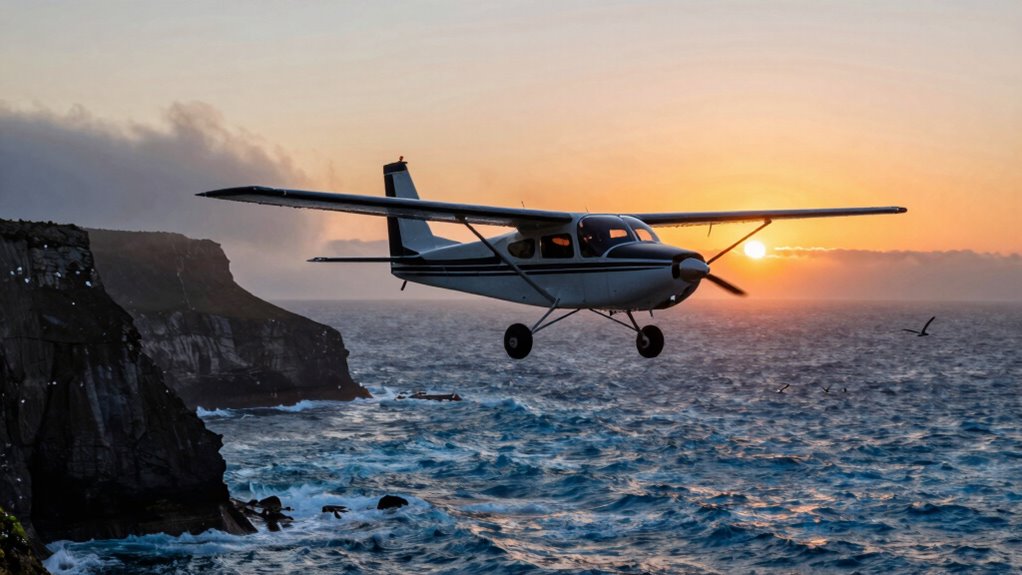
Flying along the coast can be one of the most breathtaking experiences, but it also requires extra caution and preparation. The scenery is stunning, but the environment presents unique challenges that can catch even experienced pilots off guard. One of the primary concerns is navigation challenges. Coastal areas often feature complex geography—peninsulas, islands, and shifting landmarks—that can make visual navigation tricky. You might rely on visual cues, but these can be deceptive, especially if weather conditions reduce visibility or if you’re unfamiliar with the area. It’s vital to have a solid understanding of your charts, use reliable navigation tools, and plan your route meticulously. Constantly cross-check your instruments and position reports, especially when flying close to shorelines where mistaken assumptions can lead you off course. Navigation techniques are fundamental to managing these challenges effectively. Additionally, being aware of coastal geographical features can help you anticipate potential navigation pitfalls and adapt your flight plan accordingly. Familiarity with local navigation hazards can significantly improve safety and situational awareness during coastal flights. Paying close attention to environmental factors such as tides and currents can also influence your planning and safety considerations while flying near the coast. Incorporating real-time weather updates into your flight plan can greatly enhance your ability to respond to sudden environmental changes.
Weather considerations are equally critical. Coastal weather can change rapidly and unpredictably. You might start your flight under clear skies, but quick-moving systems or sea breezes can create turbulence, wind shear, or sudden fog. These changes can severely impact your ability to maintain control or even see the coastline. You need to keep a close eye on weather updates before and during your flight, and be prepared to alter your route or descend to safer altitudes if conditions worsen. Wind over water can be stronger and more unpredictable than over land, and gusts can push you off course or cause handling difficulties. The presence of fog or low clouds near the coast can reduce visibility to near zero, making visual navigation impossible and forcing you to depend entirely on instruments.
Because of these factors, coastal flying demands increased vigilance. You should have a clear mental plan for dealing with unexpected weather and navigation challenges. Check your weather briefings thoroughly, and consider delaying your flight if conditions seem marginal. Always have alternate airports or safe landing spots in mind, especially when flying over remote or less-developed coastlines. Maintain a steady communication schedule with air traffic control, and don’t hesitate to ask for assistance if you encounter difficulties. Ultimately, understanding that coastal flying involves more variables than inland routes will help you stay alert, make better decisions, and ensure a safe journey. It’s about respecting the environment’s complexity and preparing accordingly, so the breathtaking views don’t turn into hazards.
Products Worth Considering

Samsung 27-inch Odyssey OLED G6 QD-OLED QHD Gaming Monitor

Jackery Explorer 2000 v2 Portable Power Station with Two 200W Solar Panels

Samsung 27-Inch Odyssey QD-OLED G8 4K 240Hz Gaming Monitor
As an affiliate, we earn on qualifying purchases.
Frequently Asked Questions
How Does Wind Shear Affect Coastal Flights?
Wind shear can considerably impact your coastal flights by causing sudden changes in wind speed and direction, especially near the shoreline. Sea breezes and coastal gusts create unpredictable wind shear, making control tricky during takeoff and landing. You need to stay alert and monitor weather updates closely, adjusting your approach as necessary. This helps guarantee safety as you navigate through these turbulent conditions caused by varying wind layers over the water and land.
What Are the Best Navigation Tools for Coastal Flying?
You should rely on marine charts and GPS navigation for coastal flying. Marine charts give you detailed information about coastlines, depths, and hazards, while GPS provides real-time positioning and route tracking. Combining both tools guarantees you stay aware of your surroundings, avoid unexpected obstacles, and keep on course even in challenging conditions. Always double-check your charts and maintain situational awareness to navigate safely along coastlines.
How Do You Handle Unexpected Weather Changes Near the Coast?
When unexpected weather changes near the coast occur, you should monitor tidal influences and coastal fog closely. Adjust your course or altitude as needed, and rely on your instruments and visual cues. If fog thickens, consider delaying or diverting your flight. Stay alert to changing conditions, communicate with air traffic control, and use weather updates to navigate safely through unpredictable coastal weather.
What Are Common Communication Challenges Over Coastal Areas?
Ironically, communication over coastal areas seems as clear as the ocean is deep. You often face challenges like monitoring marine traffic and wildlife avoidance, which can drown out your radio signals. Many pilots struggle with maintaining situational awareness amidst the noisy environment, leading to miscommunications. Staying vigilant and coordinating effectively with control, while watching for marine traffic and wildlife, requires extra effort, making coastal flying uniquely demanding.
How Does Turbulence Vary Along Different Coastal Routes?
Turbulence varies along different coastal routes due to marine influence and coastal variability. As you fly closer to the coast, marine influence can cause unpredictable wind shifts and thermal activity, increasing turbulence. Conversely, over open water, turbulence tends to be smoother. Coastal topography and weather patterns also contribute to turbulence variability, so you need to stay alert and adapt your flying techniques accordingly to guarantee safety during coastal flights.
Conclusion
Coastal flying demands careful planning and awareness, more than many pilots realize. Remember, about 80% of weather-related accidents happen near coastlines, often due to unexpected changes. Staying vigilant, monitoring weather updates, and maintaining proper navigation are vital. By giving coast flying the respect it deserves, you can avoid surprises and guarantee a safe journey. With the right mindset and preparation, you’ll navigate coastal skies confidently and enjoy the breathtaking views without unnecessary risk.