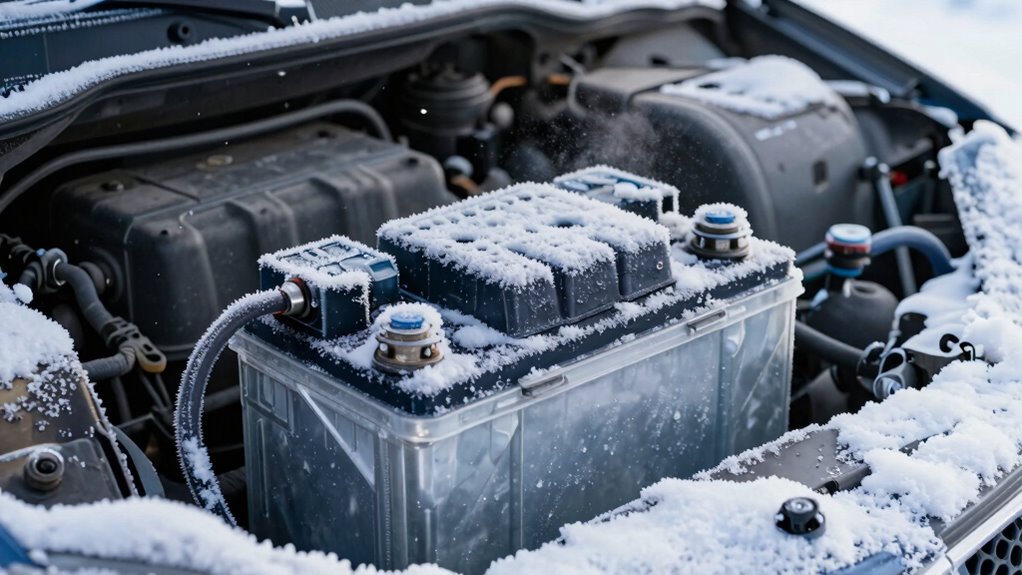

To prepare your battery for cold air, start by inspecting and cleaning the terminals of corrosion, and tighten loose connections. Make certain the battery is fully charged and replace it if it’s nearing 3-5 years of age. Keep the terminals clean and secure, and have your charging system checked regularly. Understand that cold weather slows chemical reactions, which can reduce capacity. If you keep these tips in mind, you’ll be ready for winter challenges—and there’s more to learn that can help you stay ahead.

Get the latest gadgets delivered free — and shop member deals
- Fast, free delivery on millions of items
- Access to Prime Big Deal Days deals on October 6–7
- Prime Video, Amazon Music and more included
Key Takeaways
- Regularly inspect and clean battery terminals to prevent corrosion and ensure optimal connection.
- Test battery voltage and health before winter to identify potential issues early.
- Keep the battery fully charged and avoid deep discharges during cold weather.
- Ensure the charging system and alternator are functioning properly to support battery performance.
- Store the vehicle in a garage or sheltered area to minimize exposure to extreme cold temperatures.
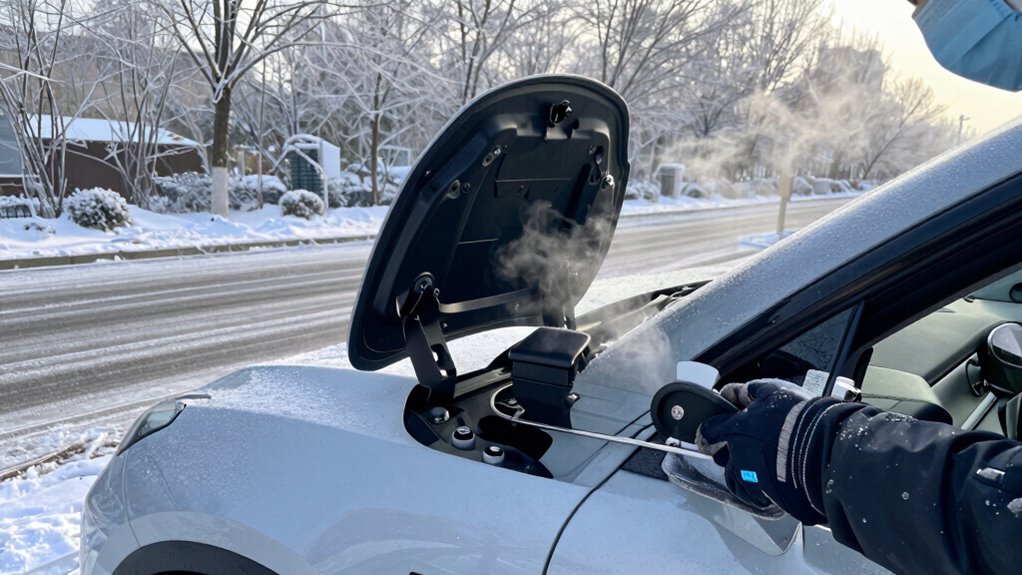
When the temperature drops, your vehicle’s battery can struggle to perform at its best. Cold weather slows down chemical reactions inside the battery, making it harder for your car to start and operate smoothly. To keep your vehicle dependable during these chilly months, you need to prioritize battery maintenance and follow some cold weather tips. Proper preparation can prevent unexpected breakdowns and extend your battery’s lifespan.
Start by inspecting your battery regularly. Look for corrosion on the terminals, which can impede the flow of electricity. If you notice white or bluish deposits, clean them off with a mixture of baking soda and water, and make sure to wear gloves and eye protection. Tighten loose connections, as loose terminals can cause starting problems in cold weather. Testing your battery’s voltage with a multimeter can give you a quick idea of its health—aim for around 12.6 volts when the engine is off. If it’s markedly lower, consider replacing it before the cold sets in. Keeping the battery securely mounted is also essential, as vibrations can weaken internal components. Additionally, understanding the effects of temperature on batteries can help you identify early signs of capacity loss and take action accordingly.
Regularly inspect and clean corrosion on terminals to ensure reliable cold-weather starts.
Cold weather tips also include ensuring your battery is fully charged. An undercharged battery is more likely to freeze and fail when temperatures plummet. If your battery is nearing the end of its lifespan—typically around three to five years—think about replacing it proactively. Many auto parts stores offer free battery testing, so take advantage of these services to assess your battery’s readiness for winter. Additionally, make sure your car’s charging system is working properly; a malfunctioning alternator can cause your battery to drain faster in cold weather. Battery health is a crucial factor in cold weather performance, and understanding how temperature affects battery chemistry can help you better prepare for winter conditions. Being aware of how temperature impacts batteries can further inform your maintenance routine and ensure reliable vehicle operation during the cold months.
As an affiliate, we earn on qualifying purchases.
Frequently Asked Questions
Can Cold Weather Cause Permanent Damage to My Battery?
Cold weather can cause temporary battery performance drops, but it usually doesn’t cause permanent damage if you take proper precautions. You should consider adding battery insulation to protect against extreme cold and use correct charging techniques to prevent strain. Regularly check your battery’s condition, especially in winter, and make sure it’s well-maintained. Proper care helps guarantee your battery stays healthy and avoids long-term damage caused by cold temperatures.
What Are the Best Winter Storage Practices for Batteries?
To guarantee your batteries stay healthy during winter, store them in a cool, dry place away from freezing temperatures. Use battery insulation, like foam or thermal blankets, to protect against cold damage. Maintain regular charging routines, checking and topping off the batteries periodically to prevent discharge. Keep terminals clean and ensure they’re securely connected. These practices help preserve battery performance and extend their lifespan through harsh winter conditions.
How Often Should I Check My Battery in Cold Months?
An ounce of prevention is worth a pound of cure, so you should check your battery every two to four weeks during cold months. Cold air can impact battery lifespan and reduce charging frequency, so regular inspections guarantee it stays in top shape. Look for signs of corrosion or slow starts, and keep your battery charged and clean. Consistent checks help prevent unexpected failures and extend your battery’s life during winter.
Do Different Vehicle Types Require Different Cold-Weather Battery Care?
Yes, different vehicle types do require tailored cold-weather battery care. For example, larger vehicles or those with high electrical demands benefit from added battery insulation to retain warmth. You should also adjust charging techniques, like ensuring your battery is fully charged before cold spells and avoiding rapid charging that can stress the battery. Regularly check your battery’s condition and consider professional help to optimize performance during harsh winter conditions.
Are There Specific Battery Brands Better Suited for Winter Conditions?
Imagine starting your car on a frosty morning, knowing some batteries are more prepared than others. Certain brands excel with better cold resistance, maintaining higher battery capacity even in freezing weather. These batteries are designed to withstand cold temperatures, reducing the risk of unexpected stalls. Look for brands with proven cold resistance; they’ll give you peace of mind and reliable performance during winter’s harshest days.
As an affiliate, we earn on qualifying purchases.
Conclusion
As winter approaches, think of your battery as a delicate plant that needs extra care in the cold. Keep it warm and well-maintained, and you’ll guarantee it continues to perform like a champion even in chilly weather. Remember, a little preparation now is like planting seeds for reliable power later. Don’t let the cold catch you off guard—stay proactive, and your battery will weather the winter storms just as surely as you do.
As an affiliate, we earn on qualifying purchases.
cold weather car battery blanket
As an affiliate, we earn on qualifying purchases.
As an affiliate, we earn on qualifying purchases.
Fall Picks
fall essentials
As an affiliate, we earn on qualifying purchases.