When flying your drone in windy areas, understand that gusts and turbulence make it work harder, draining your battery faster and reducing flight time. Signal stability can also be disrupted, causing control issues, so keep an eye on your connection and antenna positioning. Always plan for shorter flights and fly in open, interference-free zones. Being aware of these factors helps you stay safe and maintain better control—if you want to get more tips on managing wind, keep exploring.
Key Takeaways
- Assess wind speed and gusts to determine if conditions are safe for flying.
- Expect increased battery consumption and plan for shorter flight times.
- Maintain line of sight and avoid flying behind objects to reduce signal disruptions.
- Ensure optimal antenna positioning and fly in interference-free, open areas.
- Monitor drone stability closely and be prepared to land early if turbulence occurs.
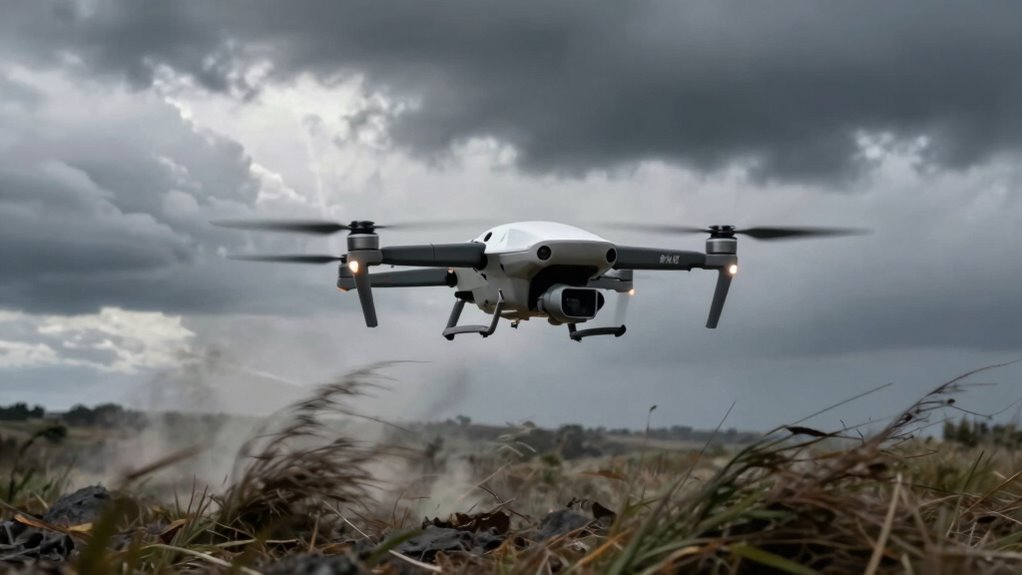
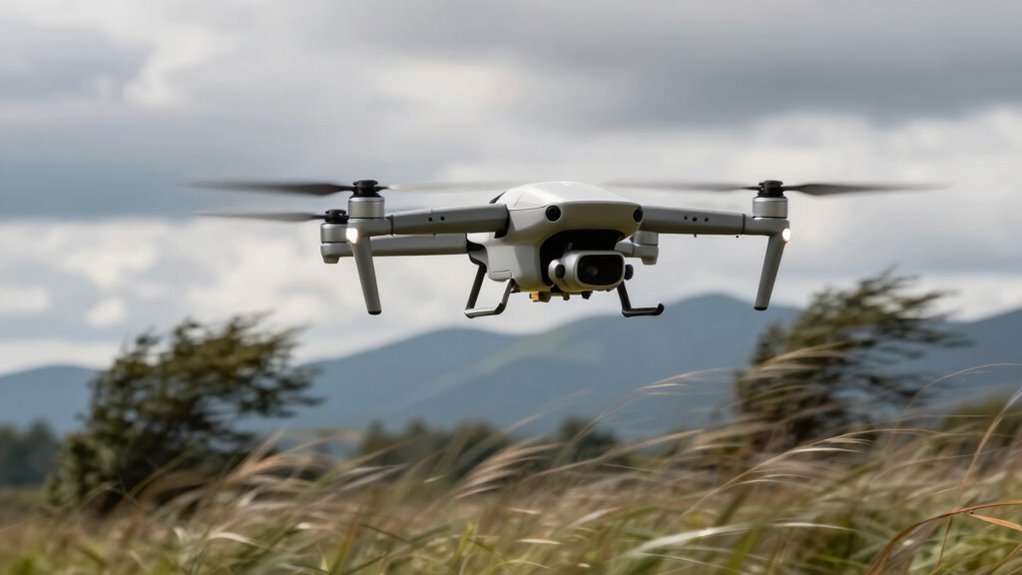
Flying a drone in windy conditions can be challenging, but understanding how wind affects your drone’s performance is vital for safe and successful flights. Wind can notably impact your drone’s battery life, as it forces the motors to work harder to counteract gusts. When the air is turbulent, your drone expends more energy maintaining stability, which drains the battery faster. To maximize flight time, you should plan for shorter flights in windy conditions and monitor your battery levels closely. Keep an eye on your drone’s remaining power so you can land before the battery runs out, especially since unexpected gusts can cause sudden power drain. Understanding environmental factors can help you better prepare for these conditions. Signal stability also takes a hit in windy environments. As gusts shake your drone, the connection between your transmitter and the drone can become unstable. This disruption might lead to lag, loss of control, or even accidental crashes. To mitigate this, guarantee your drone’s antenna is correctly positioned and that you’re flying within the recommended range. Avoid flying behind objects or in areas with interference, as these conditions can worsen signal stability. Maintaining a clear line of sight is critical, especially when wind adds unpredictable movement. If you notice your signal weakening, consider landing immediately to prevent losing control. Additionally, signal interference can be more prevalent in windy conditions, further complicating control. Being aware of weather conditions can also help you decide whether to proceed with a flight or delay until conditions improve. Recognizing signs of drone instability early can help prevent accidents caused by turbulence.
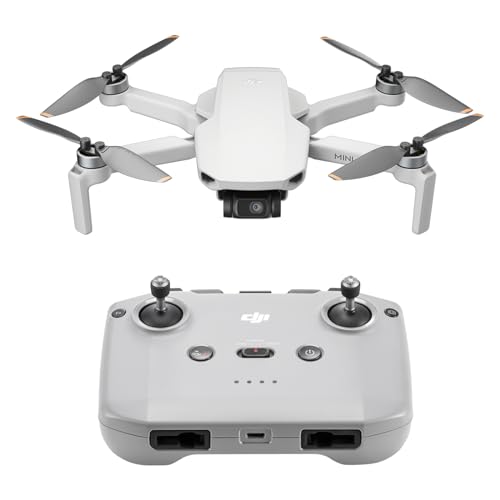
DJI Mini 4K, Drone with 4K UHD Camera for Adults, Under 249 g, 3-Axis Gimbal Stabilization, 10km Video Transmission, Auto Return, Wind Resistance, 1 Battery for 31-Min Max Flight Time, Intelligent
No Registration Needed – Under 249 g, this drone with camera for adults 4K does not require FAA…
As an affiliate, we earn on qualifying purchases.
As an affiliate, we earn on qualifying purchases.
Frequently Asked Questions
How Do Different Drone Models Handle High Wind Conditions?
Different drone models handle high wind conditions based on their drone aerodynamics and wind resistance techniques. You’ll find that larger, more robust drones with streamlined designs resist wind better, maintaining stability. Drones equipped with advanced sensors and responsive stabilization systems adapt quickly to gusts. To optimize performance, choose models with enhanced wind resistance techniques, such as reinforced frames and improved propeller efficiency, ensuring safer flights even in challenging windy environments.
What Safety Precautions Are Recommended in Gusty Environments?
In gusty environments, you should focus on wind gust management by flying cautiously and adjusting your drone’s altitude to find calmer air. Always keep a close eye on weather conditions and avoid flying during sudden gusts. Enhance your pilot skills through practice, which helps you react quickly and maintain control. Using wind-resistant drones also adds safety, allowing you to handle gusts better and guarantee safer flights in challenging conditions.
How Does Wind Affect Drone Battery Life and Flight Time?
Wind is a relentless force that can cut your drone’s flight time in half, making it feel like your battery is draining faster than ever. Strong gusts cause your drone to work harder, accelerating battery degradation and reducing overall flight range. As a result, windy conditions demand extra caution, as your drone won’t stay airborne as long, and you’ll need to plan your flights carefully to avoid losing control or risking battery failure.
Are There Specific Wind Speed Thresholds for Drone Operation?
You should generally avoid flying your drone in wind speeds over 15-20 mph, as measured by a wind speed measurement device. At higher speeds, gust management becomes critical because sudden gusts can destabilize your drone, risking crashes or damage. Always check local weather conditions, and if gusts exceed safe thresholds, it’s best to postpone flying until conditions improve. Staying within safe wind limits guarantees better control and safety during your drone flights.
How Can I Improve Stability During Windy Flights?
To improve stability during windy flights, focus on enhancing aerial stability and effective wind mitigation. Use a drone with strong GPS and sensors that stabilize automatically. Fly at lower altitudes where wind is less intense, and avoid sudden movements. Adjust your flight settings for better responsiveness, and guarantee your propellers are clean and balanced. These steps help your drone counteract wind effects, making your flight steadier and safer.

HGLRC LHCP Long Range Antenna FPV Hammer 2.5dBi Mini 5.8G for RC Drone (2pcs Long UFL)
High-Performance Design: This drone antenna operates within a frequency range of 5500-6000 MHz, providing optimal signal transmission for…
As an affiliate, we earn on qualifying purchases.
As an affiliate, we earn on qualifying purchases.
Conclusion
Remember, flying a drone in wind is like steering life’s storms—your skill and patience determine your course. Embrace the gusts as lessons, not obstacles, trusting your craft to steady your journey. Just as a kite soars highest when it’s grounded by a strong string, your confidence anchors you amid turbulence. With each gust, you grow stronger and more resilient, knowing that even in chaos, your purpose remains clear—reach for the skies, no matter the wind.

JHTC Phantom 4 Battery 1 Pack Intelligent Flight Replacement Battery for DJI Phantom 4 Series Drones DJI Phantom 4, Phantom 4 Pro, Phantom 4 Pro V2.0, Phantom 4 Advanced
【Perfect Compatibility】: Each Phantom 4 replacement battery has been tested by the official DJI Phantom 4 drone and…
As an affiliate, we earn on qualifying purchases.
As an affiliate, we earn on qualifying purchases.
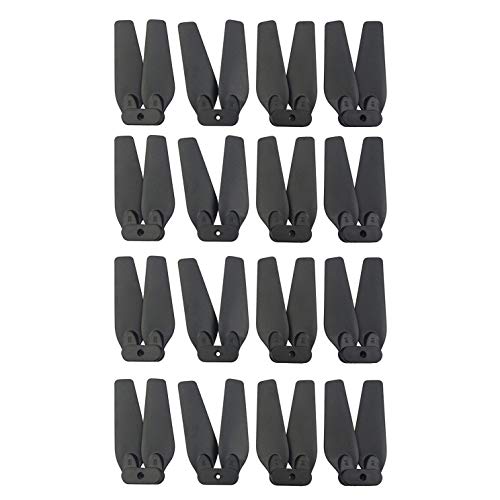
16 PCS Black Propeller for E58 S168 JY019 Folding Quadcopter Drone
For E58 E88 S168 JY019 folding quadcopter spare blade parts drone.
As an affiliate, we earn on qualifying purchases.
As an affiliate, we earn on qualifying purchases.