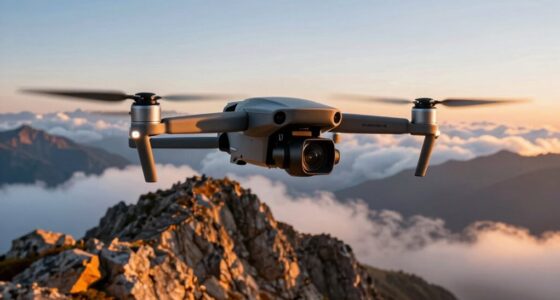
Road trips are perfect for building your drone skills because they expose you to diverse environments, lighting, and weather conditions, helping you adapt your flying and photography techniques. You’ll practice handling your drone responsibly while capturing stunning scenery and landmarks. Traveling also pushes you to navigate different regulations and challenges, improving your confidence and safety skills. Keep exploring, and you’ll find even more ways to sharpen your drone abilities along the journey.

Get the latest gadgets delivered free — and shop member deals
- Fast, free delivery on millions of items
- Access to Prime Big Deal Days deals on October 6–7
- Prime Video, Amazon Music and more included
Key Takeaways
- Provides diverse environments and terrains for practicing safe drone handling and adaptive flying techniques.
- Offers opportunities to capture a variety of scenic landscapes, enhancing aerial photography skills.
- Exposes pilots to different lighting and weather conditions, improving environmental adaptability.
- Encourages navigation of local regulations and no-fly zones in new areas, building regulatory knowledge.
- Facilitates community engagement with fellow enthusiasts, promoting skill sharing and confidence.
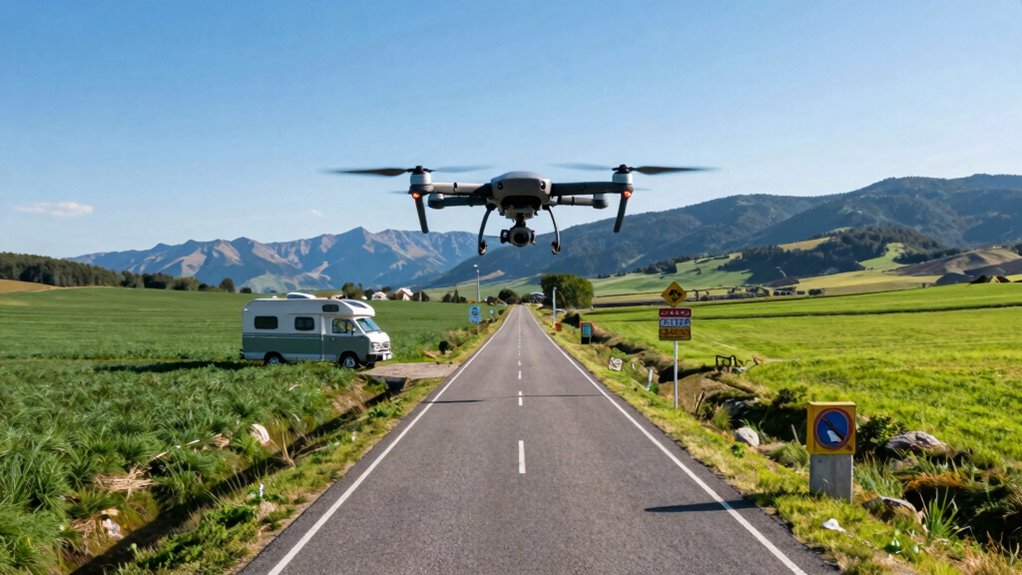
Starting on a road trip offers the perfect opportunity to enhance your drone skills while exploring new landscapes. As you travel through diverse environments, you get the chance to practice drone safety in real-world settings, ensuring you handle your equipment responsibly and avoid accidents. With different terrains and varying weather conditions, you learn how to adapt your flying techniques, which is vital for safe drone operation. You’ll become more confident in managing your drone’s battery life, understanding no-fly zones, and respecting privacy boundaries—all essential aspects of responsible drone use.
Road trips boost drone safety skills across diverse terrains and weather conditions, making you a responsible and confident pilot.
While on the road, you can experiment with aerial photography techniques to capture stunning shots of scenic views, landmarks, and natural wonders. The changing scenery offers endless opportunities to refine your skills in framing shots, adjusting camera angles, and using different flight altitudes for creative compositions. Whether it’s a sweeping mountain vista or a charming small-town street, you learn how to position your drone for best shots, improving your overall photography skills. This hands-on experience is invaluable because it pushes you to think quickly about lighting, perspective, and movement, which can’t be fully learned through tutorials alone.
Road trips also give you the flexibility to try out various drone settings and modes, from slow, steady cinematic shots to fast-paced, dynamic captures of moving vehicles or wildlife. As you navigate through different environments, you’ll discover what works best for each scenario, helping you develop a versatile approach to aerial photography. Plus, flying in different lighting conditions—early mornings, late afternoons, or cloudy days—sharpens your ability to adjust camera settings on the fly, resulting in better images and videos. Additionally, encountering various environments on your journey helps you understand how to optimize your drone’s performance in diverse conditions, making you a more adaptable pilot. Developing a solid understanding of weather conditions can greatly improve your flying safety and image quality. Gaining experience in different settings also allows you to become familiar with local regulations, ensuring you stay compliant as you explore new areas. Moreover, practicing in these varied settings helps you develop an intuitive sense of how your drone reacts to different weather patterns, further enhancing safety and control.
Another benefit of road trips is the chance to connect with fellow enthusiasts, sharing tips on drone safety and aerial photography techniques. Whether you stop at a scenic overlook or a quiet park, these spontaneous meetups can offer new perspectives and advice that boost your skills further. The variety of landscapes and situations you encounter also prepares you for unpredictable challenges, like sudden gusts of wind or tight spaces, making you a more competent and confident pilot. Additionally, understanding regulations and restrictions specific to different areas helps you avoid potential legal issues and fly responsibly everywhere you go.
In the end, a road trip isn’t just about seeing new sights; it’s an immersive experience that fosters growth in your drone flying abilities. By practicing drone safety and honing your aerial photography techniques amidst beautiful backdrops, you turn every mile into a lesson, making your skills sharper and your images more compelling.
As an affiliate, we earn on qualifying purchases.
Frequently Asked Questions
What Drone Accessories Are Best for Road Trip Flying?
The best drone accessories for road trip flying include extra batteries, a portable charger, and a compact drone case for easy transport. You should also carry tools for drone maintenance and cleaning, ensuring smooth operation. Good battery management is essential to extend flight time and avoid interruptions. These accessories keep your drone in top shape and maximize your flying experience, making your road trip adventures more exciting and productive.
How Do Weather Conditions Affect Drone Flight During Road Trips?
Weather conditions greatly impact your drone flight during road trips. High wind speeds make controlling your drone challenging and can cause crashes, so check wind forecasts before flying. Rain hazards are even more dangerous, as water can damage your drone’s electronics and reduce visibility. It’s best to avoid flying in rainy or stormy weather, and always keep an eye on weather updates to guarantee safe and successful drone adventures on your trip.
Can I Legally Fly Drones in All Roadside Locations?
You can’t legally fly drones in all roadside locations due to legal restrictions and privacy concerns. Many areas, especially near private property, government buildings, or nature reserves, have rules that prohibit drone use. Always check local regulations before flying, and respect people’s privacy to avoid legal issues. Staying informed helps you enjoy your road trip safely while capturing stunning views without infringing on others’ rights.
How Do I Prevent Drone Damage During Long Trips?
To prevent drone damage during long trips, you should prioritize battery management by carrying extra batteries and charging them properly. Also, be mindful of signal interference from dense foliage or urban areas, which can cause crashes. Keep your drone in a protective case when not flying, avoid extreme weather, and handle it gently while packing. Staying vigilant about these factors guarantees your drone stays safe and ready for capturing amazing road trip moments.
What Are the Best Times of Day to Fly Drones on Road Trips?
You should fly your drone during early morning or late afternoon to maximize safety and lighting conditions. These times offer softer, more even lighting, reducing glare and shadows, which help you capture better footage. Additionally, flying during these periods minimizes the risk of strong winds and harsh sunlight that can impair your drone’s sensors and visibility. Always consider local regulations and avoid flying during dawn or dusk if visibility or safety is compromised.
aerial photography drone with camera
As an affiliate, we earn on qualifying purchases.
As an affiliate, we earn on qualifying purchases.
Conclusion
Just like a scenic route reveals hidden gems along the way, a road trip offers endless opportunities to sharpen your drone skills. With every mile, you’ll learn to navigate tricky landscapes, capture breathtaking views, and adapt to new environments—all while having fun. Think of it as a voyage of discovery, where each trip becomes a chapter in your drone mastery story. So, hit the road and let your drone adventures unfold like a beautiful sunset—bright, inspiring, and full of potential.
As an affiliate, we earn on qualifying purchases.
As an affiliate, we earn on qualifying purchases.
Fall Picks
fall essentials
As an affiliate, we earn on qualifying purchases.