

TL;DR
In 2026, AI is expected to see significant developments across 13 key trends, including advances in generative models, ethical frameworks, and industry integration. These trends will shape AI’s role in society and business.
Experts forecast that in 2026, 13 major AI trends will shape the technology’s evolution, affecting sectors from healthcare to finance. For a detailed overview, see the original analysis. These developments are expected to influence how AI is integrated into daily life and business operations, making them critical for stakeholders to monitor.
According to industry analysts, key trends include the maturation of generative AI, increased focus on AI ethics and regulation, and broader industry adoption of AI-driven automation. Several companies are investing heavily in these areas, signaling a shift toward more sophisticated and responsible AI deployment.
Notably, advancements in multimodal AI, which combines text, images, and video understanding, are expected to become mainstream, enabling more natural interactions. Learn more about these technologies in Mercedes-Benz’s electric motor innovations. Additionally, the rise of AI-powered personalization and decision-making tools will further embed AI into everyday processes.
While these trends are widely predicted, specific technological breakthroughs or regulatory frameworks remain uncertain, and their pace of adoption may vary across regions and industries. For insights into market-specific developments, see market analysis reports.
The 13 picks
- 1
 Jackery HomePower 3600 Plus Portable Power Station, 3600W AC Output, 3584Wh L…View on Amazon →
 - 2
 EF ECOFLOW DELTA 3 Max Portable Power Station, 2048Wh LFP Battery, 2400W / 34…View on Amazon →
 - 3
 Jackery Explorer 2000 v2 Portable Power Station, 2042Wh, 2200W AC Output, LiF…View on Amazon →
 - 4
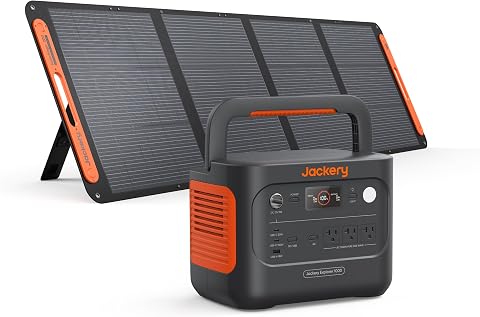 Jackery Solar Generator 1000 V2 with 200W Solar Panel, 1070Wh, 1500W AC, Fast…View on Amazon →
 - 5
 Anker SOLIX C1000 Gen 2 Portable Power Station, 1024Wh, 2000W, Camping, Emerg…View on Amazon →
 - 6
 Jackery Explorer 1000 v2 Portable Power Station, 1070Wh, 1500WView on Amazon →
 - 7
 Jackery Explorer 300 Portable Power Station, 292Wh, LiFePO4 Battery, Solar Ge…View on Amazon →
 - 8
 EF ECOFLOW Portable Power Station Delta 3 Classic, 1024Wh, 1800W AC, LiFePO4…View on Amazon →
 - 9
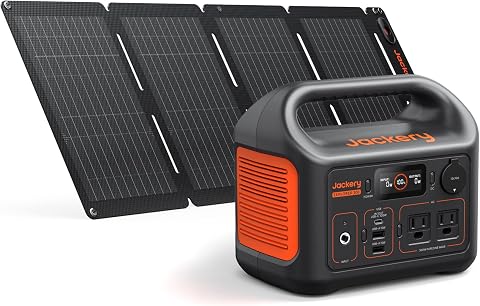 Jackery Solar Generator 300 with 40W Solar Panel, 292Wh, 300W AC OutputView on Amazon →
 - 10
 BLUETTI Elite 30 V2 Portable Power Station 288Wh 600W LFP Solar GeneratorView on Amazon →
 - 11
 Portable Power Station 300W, 192Wh LiFePO4 Battery Solar Generator with Carry…View on Amazon →
 - 12
 EnginStar Portable Power Station 300W 296Wh Battery Bank with 110V Pure Sine…View on Amazon →
 - 13
 HOWEASY Portable Power Station, 88Wh Solar Generator with 120W Peak OutputView on Amazon →
Implications of 2026 AI Trends for Society and Business
These predicted AI trends matter because they will influence how businesses operate, how ethical standards evolve, and how society interacts with technology. The maturation of generative AI could revolutionize content creation, while increased regulation aims to address ethical concerns, balancing innovation with safety. Understanding these trends helps stakeholders prepare for technological shifts that could impact jobs, privacy, and economic competitiveness.
2026 AI Landscape: Key Developments and Predictions
Over the past few years, AI has experienced rapid growth, with breakthroughs in natural language processing, computer vision, and reinforcement learning. Industry leaders have emphasized the importance of ethical AI and responsible deployment. Predictions for 2026 build upon this trajectory, emphasizing not just technological advances but also regulatory and societal adaptations.
Previous trends, such as the rise of large language models and AI democratization, set the stage for the upcoming developments. Experts like Thorsten Meyer have highlighted that AI’s integration into critical sectors is accelerating, with a focus on safety, transparency, and usability.
Uncertainties Surrounding AI Progress in 2026
While predictions point to significant developments, it remains unclear how quickly regulatory frameworks will evolve to keep pace with technological advances. The exact timeline for widespread adoption of multimodal AI and the impact of potential ethical debates are still uncertain. Additionally, unforeseen challenges in AI safety and bias mitigation could influence the trajectory of these trends.
Next Steps for Stakeholders in AI Development
Industry leaders, policymakers, and researchers should focus on establishing clear ethical guidelines, investing in responsible AI research, and fostering collaboration across sectors. Monitoring early implementations of emerging trends will be crucial to adapt strategies and ensure AI benefits society broadly. Further reports and expert analyses are expected to refine these predictions as 2026 approaches.
Key Questions
What are the most impactful AI trends expected in 2026?
The most impactful trends include advancements in generative AI, increased regulatory focus, multimodal AI capabilities, and broader industry adoption of automation and personalization tools.
How might AI regulation evolve by 2026?
Regulatory frameworks are expected to become more sophisticated, focusing on safety, transparency, and ethical standards, though the exact scope and implementation timelines remain uncertain.
Will AI become more responsible and ethical in 2026?
Many experts believe that ethical considerations will play a central role in AI development, with increased emphasis on bias mitigation, safety, and accountability measures.
What industries will be most affected by these AI trends?
Healthcare, finance, entertainment, and manufacturing are expected to see the most significant impacts, especially through automation, personalized services, and decision support systems.
Are there risks associated with these AI developments?
Potential risks include ethical dilemmas, bias, misuse, and regulatory lag, which could hinder responsible deployment if not properly addressed.
Source: ThorstenMeyerAI.com