
TL;DR

Get the latest gadgets delivered free — and shop member deals
- Fast, free delivery on millions of items
- Access to Prime Big Deal Days deals on October 6–7
- Prime Video, Amazon Music and more included
Consumers should be aware of potential security and privacy risks when buying streaming TV sticks. Experts warn of vulnerabilities and recommend precautions before purchase. This article explains what is confirmed and what remains uncertain.
Security experts have warned consumers to exercise caution before purchasing streaming TV sticks, citing potential security vulnerabilities that could compromise personal data. This warning comes amid ongoing investigations into device security flaws, making it essential for buyers to understand the risks involved.
Multiple models of streaming TV sticks, including popular brands, are reportedly vulnerable to hacking due to outdated firmware and insecure default settings, according to cybersecurity researchers. These vulnerabilities could allow malicious actors to access personal information, intercept data, or even take control of connected devices.
While some manufacturers have issued updates or advisories, not all devices are protected, and many consumers may not be aware of the risks. Experts recommend checking for the latest firmware updates, changing default passwords, and purchasing devices from reputable sources that provide ongoing security support.
Why Consumers Need to Prioritize Security When Buying Streaming Devices
This matters because streaming TV sticks are increasingly common, and many users connect them to sensitive accounts or smart home systems. Vulnerabilities can lead to privacy breaches, identity theft, or unauthorized access to home networks. Being informed can help consumers make safer choices and protect their data from cyber threats.
As an affiliate, we earn on qualifying purchases.
Background on Security Concerns in Streaming Devices
Over the past year, cybersecurity researchers have identified multiple security flaws in popular streaming devices, prompting warnings from authorities. These devices often run on outdated or insecure software, making them attractive targets for hackers. Some incidents have involved unauthorized access to user accounts or data interception, raising awareness about device security.
Manufacturers have responded with firmware updates and security advisories, but many consumers remain unaware or do not apply updates promptly. The market continues to expand, increasing the importance of understanding device security standards.
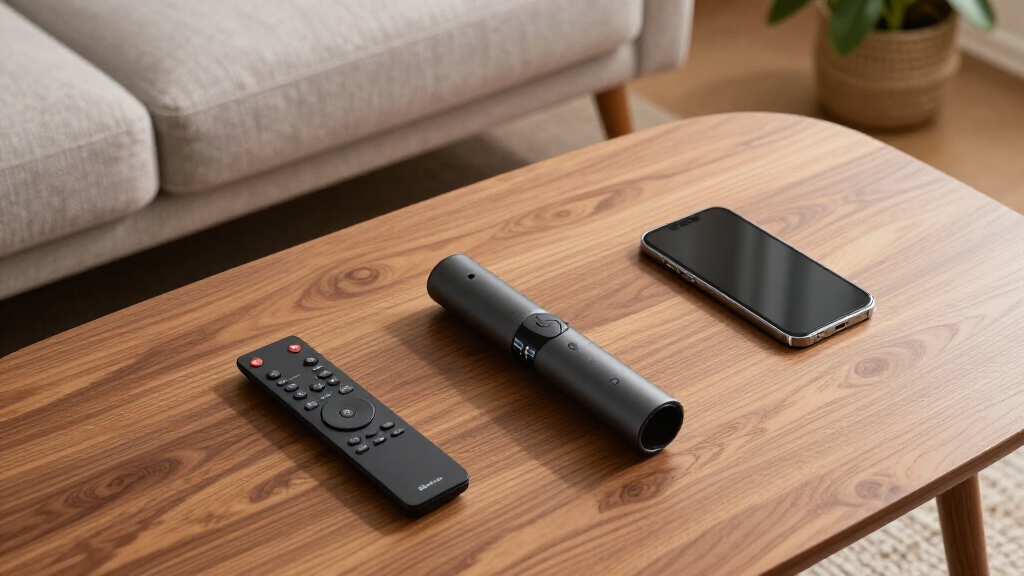
smart TV stick with firmware updates
As an affiliate, we earn on qualifying purchases.
As an affiliate, we earn on qualifying purchases.
Unverified Claims and Ongoing Security Investigations
While security researchers have demonstrated vulnerabilities in some models, it is not yet confirmed how widespread these issues are across all brands and models. The long-term effectiveness of manufacturer updates remains unclear, and some devices may still be at risk despite advisories.
Additionally, the full extent of potential exploits and whether they have been actively exploited in the wild is still under investigation.
As an affiliate, we earn on qualifying purchases.
Next Steps for Consumers and Industry Stakeholders
Manufacturers are expected to release further firmware updates and security patches in the coming weeks. Consumers are advised to verify device security settings, update firmware promptly, and purchase from trusted sources. Regulators and security groups may also issue new guidelines to improve device security standards.
Researchers will continue monitoring vulnerabilities, and industry stakeholders are likely to enhance security protocols to prevent future issues.
As an affiliate, we earn on qualifying purchases.
Key Questions
What specific security risks do streaming TV sticks pose?
They can be vulnerable to hacking, data interception, and unauthorized access due to outdated firmware, default passwords, or insecure connections.
How can I protect myself when buying and setting up a streaming stick?
Check for recent firmware updates, change default passwords, buy from reputable brands, and keep the device’s software up to date.
Are all streaming TV sticks insecure?
No, but many models have known vulnerabilities. It is important to verify the security features of each device before purchase.
Will manufacturers fix these vulnerabilities?
Most are expected to release security updates, but the effectiveness and timeliness of these patches vary by manufacturer.
What should I do if I suspect my device is vulnerable?
Immediately update the firmware, change default passwords, and consider disconnecting the device until security is confirmed.
Source: hn
Fall Picks
fall essentials
As an affiliate, we earn on qualifying purchases.