
TL;DR

Get the latest gadgets delivered free with Prime
- Fast, free delivery on millions of items
- Prime Video, Amazon Music and more included
- Member-only deals all year
By 2026, AI integration is accelerating across industries, with confirmed breakthroughs in automation and machine learning. However, regulatory and ethical challenges remain unresolved, impacting future adoption.
In 2026, artificial intelligence is increasingly integrated into daily life and industry, with confirmed breakthroughs in automation, natural language processing, and machine learning. Discover top AI tools and hardware, including top mechanical keyboards for AI professionals. These developments are shaping the economic and social landscape, making AI a critical factor for future growth and regulation, according to industry experts and recent technological reports.
Recent reports confirm that AI systems now handle complex tasks such as autonomous driving, medical diagnostics, and customer service, with companies like OpenAI, Google, and Tesla leading the way. For an in-depth analysis, see the original analysis. The Key advancements include improved natural language understanding, faster processing speeds, and broader deployment of AI-powered tools across sectors.
However, while these technological milestones are confirmed, the regulatory frameworks governing AI remain in flux. Learn more about the legal and regulatory landscape in this detailed report. Governments worldwide are debating policies on data privacy, ethical AI use, and liability, with no unified global standards established yet. Experts warn that these unresolved issues could slow widespread adoption or lead to misuse if not addressed.
The 10 picks
- 1
 Logitech MX Mechanical Wireless Illuminated Performance Keyboard with Tactile…View on Amazon →
 - 2
 Keychron K4 Ultra 8K Wireless Mechanical Keyboard 96% with Numpad, RGB, Hot-S…View on Amazon →
 - 3
 Cherry KC 200 MX Wired Mechanical Office Keyboard with Aluminum Surface and S…View on Amazon →
 - 4
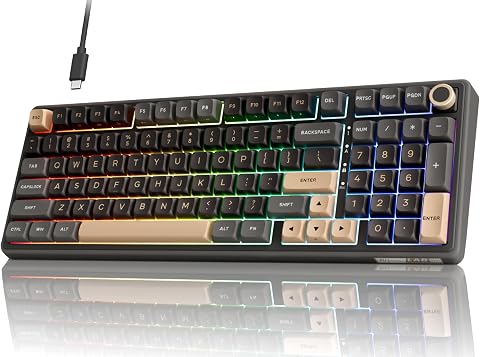 RK Royal Kludge R98 Pro Wired Mechanical Gaming Keyboard with RGB Backlight,…View on Amazon →
 - 5
 AULA F75 Pro Wireless Mechanical Keyboard, 75% Hot Swappable RGB Backlit Gami…View on Amazon →
 - 6
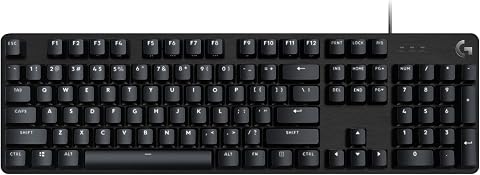 Logitech G413 SE Full-Size Mechanical Gaming KeyboardView on Amazon →
 - 7
 Logitech G213 Prodigy Gaming Keyboard – Wired RGB Backlit, Mech-Dome Keys, Me…View on Amazon →
 - 8
 Redragon K668 RGB Gaming Keyboard, 108 Keys Wired Mechanical Keyboard with Ho…View on Amazon →
 - 9
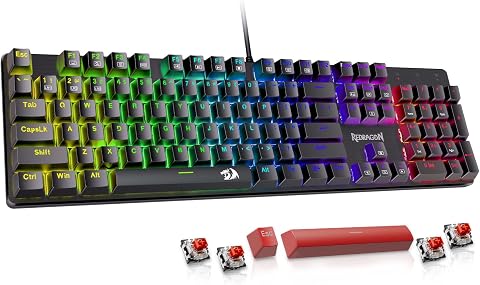 Redragon Mechanical Gaming Keyboard Wired with 11 Backlit Modes and Hot-Swapp…View on Amazon →
 - 10
 MageGee Portable 60% Mechanical Gaming Keyboard, MK-Box LED Backlit Compact 6…View on Amazon →
Why AI Progress in 2026 Impacts Everyone
This year marks a pivotal point where AI technologies become more embedded in everyday life, influencing industries, economies, and societal norms. Confirmed advancements promise increased efficiency and innovation, but ongoing regulatory debates highlight risks of misuse, bias, and job displacement. The outcome will significantly affect how societies adapt to AI’s growing role, making understanding these developments crucial for individuals, businesses, and policymakers alike.Key Milestones and Challenges in AI Development
Since the early 2020s, AI has rapidly evolved from experimental models to mainstream applications. Notable milestones include the deployment of large language models capable of nuanced conversation and decision-making, as well as autonomous systems in transportation and healthcare. These advances are driven by increased computational power, data availability, and investment from tech giants.
Despite these achievements, challenges persist. Ethical concerns about bias and transparency, along with fears of job automation, have prompted calls for stricter regulations. Governments and international bodies are actively discussing policies, but no comprehensive global framework has yet been enacted.
“The pace of AI development in 2026 is unprecedented, but without proper regulation, we risk amplifying societal inequalities.”
— Dr. Laura Chen, AI Ethics Researcher
Unresolved Regulatory and Ethical Challenges
While technological progress is well-documented, the future regulatory landscape remains uncertain. It is not yet clear how quickly governments will implement effective policies or how international cooperation will evolve to prevent misuse and ensure ethical AI deployment. The potential for conflicting regulations and delayed policy action continues to pose risks to widespread AI adoption in 2026.
Next Steps in AI Governance and Innovation
Moving forward, key developments include ongoing policy negotiations at national and international levels, with expected proposals for AI safety standards and ethical guidelines. Industry leaders are also investing in transparency and explainability features to address public concerns. Monitoring these initiatives will be critical to understanding how AI’s role in society will solidify in the coming months.
Key Questions
What are the main technological breakthroughs in AI in 2026?
Confirmed breakthroughs include advanced natural language processing, autonomous systems in transportation and healthcare, and faster, more efficient machine learning models.
Are there any global regulations for AI yet?
No, international standards are still under discussion, and national policies vary widely, creating an uncertain regulatory environment.
How might AI impact jobs in 2026?
AI is expected to automate certain tasks across industries, which could lead to job displacement in some sectors, but also create new opportunities in others, depending on policy responses and industry adaptation.
What are the biggest risks associated with AI development in 2026?
Risks include ethical issues like bias and misuse, regulatory delays, and potential job losses without adequate societal safeguards.
What should individuals and businesses do to prepare for AI in 2026?
Staying informed about technological trends, advocating for responsible AI policies, and investing in workforce retraining are recommended steps.
Source: ThorstenMeyerAI.com
Halloween Picks
halloween
As an affiliate, we earn on qualifying purchases.