
TL;DR

Get the latest gadgets delivered free — and shop member deals
- Fast, free delivery on millions of items
- Access to Prime Big Deal Days deals on October 6–7
- Prime Video, Amazon Music and more included
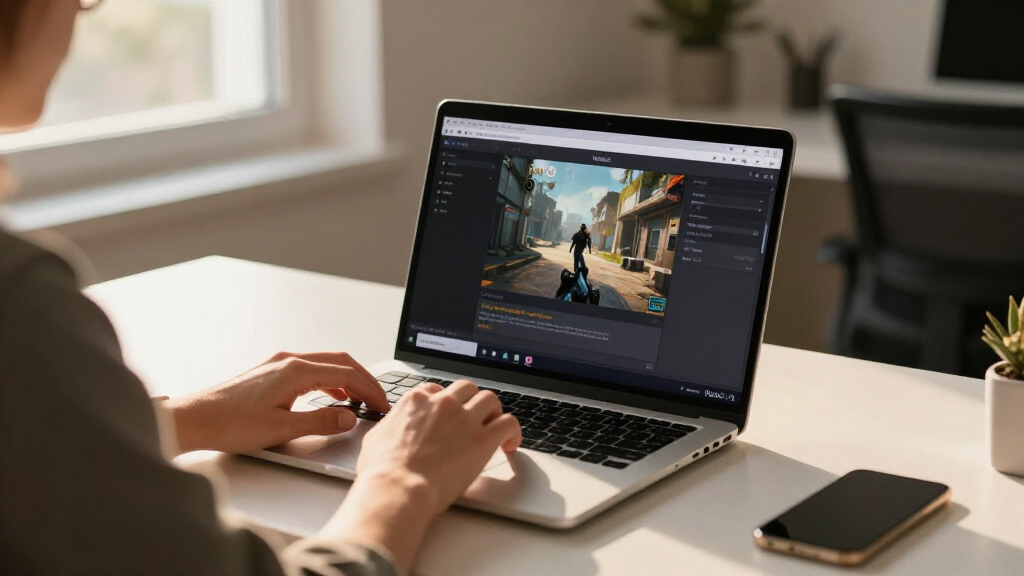
A developer has achieved a native port of Half-Life 2 on HaikuOS, demonstrating the game’s compatibility with alternative, open-source operating systems. This development could influence future gaming on niche platforms.
A developer has successfully ported Half-Life 2 to run directly on HaikuOS, an open-source operating system. This achievement marks the first known instance of the classic game functioning natively on HaikuOS, highlighting potential for gaming on alternative platforms beyond Windows and Linux.
The port was announced by the developer on a community forum, with initial tests confirming that the game can run without emulation or compatibility layers. The developer, whose identity has not been disclosed publicly, reported that the game performs adequately on modern hardware with some optimizations. The project involved adapting the game’s engine to work with HaikuOS’s native APIs and graphics stack. This development is notable because HaikuOS is a niche, open-source OS primarily used by enthusiasts and developers, with limited commercial gaming support. The port’s success suggests that other legacy or modern games could also become compatible with HaikuOS in the future, potentially expanding its appeal among gamers interested in open-source systems.Potential Impact on Open-Source Gaming Platforms
This development demonstrates that legacy games like Half-Life 2 can be ported to and run natively on less mainstream, open-source operating systems. It could inspire further efforts to bring popular titles to platforms like HaikuOS, thereby expanding gaming options for users committed to open-source software. Additionally, it highlights the progress of HaikuOS as a viable environment for gaming, which has traditionally been limited by hardware and software compatibility issues. If more developers follow this lead, it could challenge the dominance of Windows and Linux in gaming, especially among niche communities and enthusiasts committed to open-source principles.
gaming laptop with high performance graphics
As an affiliate, we earn on qualifying purchases.
As an affiliate, we earn on qualifying purchases.
Background of HaikuOS and Gaming Compatibility Efforts
HaikuOS is an open-source operating system inspired by BeOS, known for its focus on multimedia and responsiveness. While it has garnered a dedicated community, gaming support has remained limited due to its smaller user base and less developed graphics drivers. Historically, running modern or legacy games on HaikuOS has required emulation or compatibility layers, which often degrade performance or stability. The successful native port of Half-Life 2 marks a shift, showing that with dedicated effort, complex applications can be adapted to run directly on HaikuOS. Prior attempts at porting other games have faced challenges, making this achievement notable within the community.
“Getting Half-Life 2 to run natively on HaikuOS was a challenging but rewarding process. It proves that even complex, graphics-intensive games can be adapted to alternative operating systems with enough effort.”
— Anonymous developer
As an affiliate, we earn on qualifying purchases.
Uncertainties About Performance and Compatibility Limits
It is still unclear how well the game performs across different hardware configurations or whether the port supports all features of Half-Life 2, such as multiplayer and mods. The developer has not released detailed benchmarks or compatibility lists, and it remains uncertain if this port is stable for long-term use or if it will require further updates. Additionally, the extent of the port’s accessibility to average users is unknown, as the process may involve technical expertise.
As an affiliate, we earn on qualifying purchases.
Next Steps for Broader Adoption and Development
The developer plans to release the port’s source code publicly, inviting community contributions to improve stability and compatibility. Future updates may focus on optimizing performance, expanding support for mods, and testing on various hardware platforms. Community members are expected to explore porting other games, potentially broadening HaikuOS’s gaming library. Developers and enthusiasts will likely monitor the project’s progress to assess its long-term viability and impact on open-source gaming.
As an affiliate, we earn on qualifying purchases.
Key Questions
How was Half-Life 2 ported to HaikuOS?
The developer adapted the game’s engine to work with HaikuOS’s native APIs and graphics stack, bypassing the need for emulation or compatibility layers.
Will the port be available for public download?
The developer has indicated plans to release the source code, but an official public build or installer has not yet been announced.
Does this port support multiplayer or mods?
It is not yet confirmed whether all features, including multiplayer and mods, are supported in this native port.
What hardware is required to run the game on HaikuOS?
Specific hardware requirements have not been detailed, but initial tests suggest modern hardware with compatible graphics drivers is necessary.
Could this lead to more native ports of other games?
Potentially, yes. If the port proves stable and effective, it could encourage other developers to undertake similar projects for HaikuOS or other open-source platforms.
Source: hn
Fall Picks
fall essentials
As an affiliate, we earn on qualifying purchases.