📊 Full opportunity report: When Pro Benchmarks Guide Amateur Athlete Training on IdeaNavigator AI — validation score, market gap, and execution plan.

Get the latest gadgets delivered free with Prime
- Fast, free delivery on millions of items
- Prime Video, Amazon Music and more included
- Member-only deals all year
TL;DR
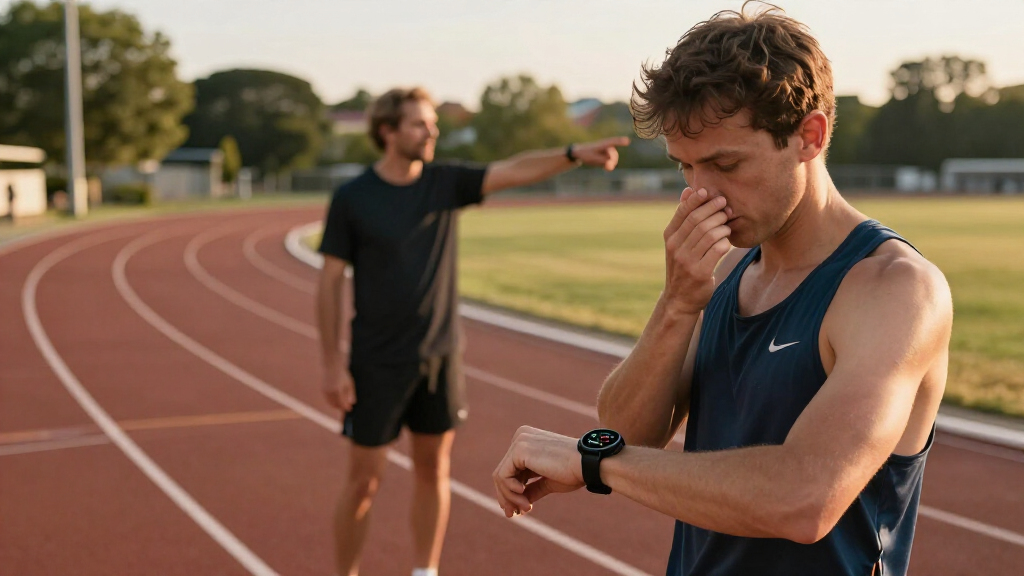
IdeaNavigator AI has outlined a proposed training app that would let parents compare a young athlete’s filmed movements with pro-derived mechanics and receive one targeted drill. The concept has not been validated; its suggested first test is a baseball-hitting pilot with certified coaches reviewing assessments for 100 children.
IdeaNavigator AI has proposed a phone-based training app that would compare young athletes’ filmed movements with pro-derived reference mechanics and offer one drill for their largest identified gap. The idea is aimed at parents whose children practice without private coaches, but it remains a proposed product: no app launch, accuracy results or completed pilot are reported.
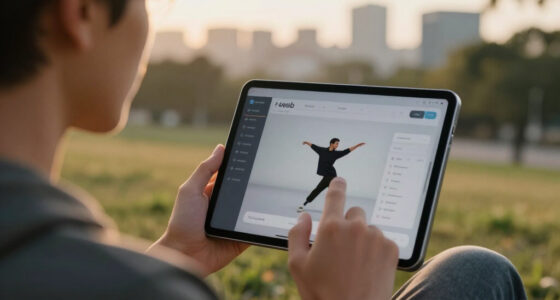
According to the IdeaNavigator AI proposal, the suggested first version would have a young athlete record a repetition, then show the athlete’s movement alongside a reference profile for that skill. It would grade selected checkpoints, such as hip rotation, release angle and stride, and recommend one drill per session. The proposal does not specify which professional athletes or recordings would supply the benchmarks, or how scores would be calculated.
IdeaNavigator AI frames the product around a gap in youth training: children may repeat swings, throws or strides without a coach noticing a flaw. The proposal says private coaching can cost $75 to $150 per session, but gives no location, date range or independent basis for that estimate. It suggests a family subscription by sport, with a separate coach tier for team use, but provides no pricing or revenue evidence.
The proposal’s suggested validation is a narrow baseball-hitting pilot. Certified coaches would review the app’s grades against their own assessments across 100 children. The proposal does not report that test as completed and supplies no results showing whether phone-based analysis can grade young athletes consistently or whether families would pay for it.
Testing Coach-Grade Feedback at Home
If a pilot found the app’s assessments useful and reliable, it could give families a lower-cost way to identify movement issues between coaching sessions. The proposed format also limits the app to one drill per session, rather than offering a broad program, which could make feedback easier to act on. Those are potential benefits, not established outcomes.
The stakes include more than convenience. A mistaken grade could direct a child toward an unhelpful adjustment, while a useful prompt might help a parent know when to seek qualified coaching. The proposal links unnoticed form flaws to injury risk, but it presents no injury data or evidence that this app would prevent injuries. Coach review would be a first check on grading; it would not by itself establish safety or long-term athletic benefit.
sports training video analysis app
As an affiliate, we earn on qualifying purchases.
As an affiliate, we earn on qualifying purchases.
From Phone Video to a Pilot
The IdeaNavigator AI proposal rests on the claim that pose-estimation models can now run on phones with enough accuracy to compare a child’s mechanics with reference movements. It describes this as making feedback accessible at a free tier, but offers no named model, technical benchmark or independent test supporting that claim. The app’s actual performance would depend on factors the proposal does not detail, including camera placement, lighting, movement speed and the range of bodies and ages represented in its reference data.
Rather than proposing a broad launch across youth sports, the plan identifies one initial buyer: a parent of a young athlete practicing without a private coach. It names baseball hitting as the first skill to test, then proposes coach audits across 100 children before wider development. No dates, participating coaches, recruitment method or pass criteria are provided.
youth baseball swing training device
As an affiliate, we earn on qualifying purchases.
As an affiliate, we earn on qualifying purchases.
Accuracy, Safety and Demand Remain Untested
The IdeaNavigator AI proposal does not establish whether phone-based pose estimates can reliably score the listed checkpoints for children, or whether pro-derived mechanics are appropriate across different ages, body types and skill levels. It also leaves open how the app would handle a poor-quality recording, explain a low grade, or prevent users from treating a reference movement as a single ideal form.
There are no reported pilot findings, injury outcomes, user feedback or subscription data. The suggested 100-child review could compare app grades with coaches’ assessments, but the proposal does not say how disagreements would be resolved or what level of agreement would justify moving forward. Whether parents will trust or pay for the feedback is also unknown.
As an affiliate, we earn on qualifying purchases.
Coach Review Is the Proposed Test
According to IdeaNavigator AI, the next step would be to build or test a baseball-hitting version and have certified coaches audit its assessments for 100 children. The proposal does not give a timetable or say that recruitment has begun. Any reported results would need to clarify how children were selected, what coaches assessed and how closely their judgments matched the app’s grades.
Until such evidence is available, the concept should be treated as an early product proposal rather than a validated training tool. A successful grading comparison would address one technical question; follow-up work would still be needed to assess whether the drills help athletes, whether families find the app usable, and whether its guidance is safe across a wider range of young users.
Source: IdeaNavigator AI
sports biomechanics smartphone app
As an affiliate, we earn on qualifying purchases.
As an affiliate, we earn on qualifying purchases.
Key Questions
What would the proposed app do?
It would analyze a filmed repetition, compare selected movement checkpoints with pro-derived reference mechanics and suggest one drill aimed at the largest identified gap.Has the app been tested with young athletes?
No pilot results are reported. The proposal recommends a future baseball-hitting test in which certified coaches review assessments across 100 children.Does the proposal show that the app can prevent injuries?
No. It raises injury risk as a concern associated with unnoticed form flaws, but provides no injury data or evidence that the proposed app would reduce injuries.How might the app make money?
The proposed model is a family subscription for each sport, with a separate tier for coaches and teams. Prices and customer demand have not been established.Source: IdeaNavigator AI
Halloween Picks
halloween
As an affiliate, we earn on qualifying purchases.