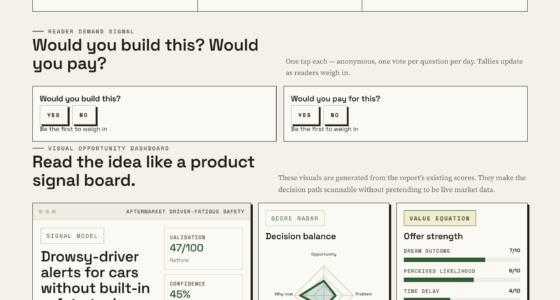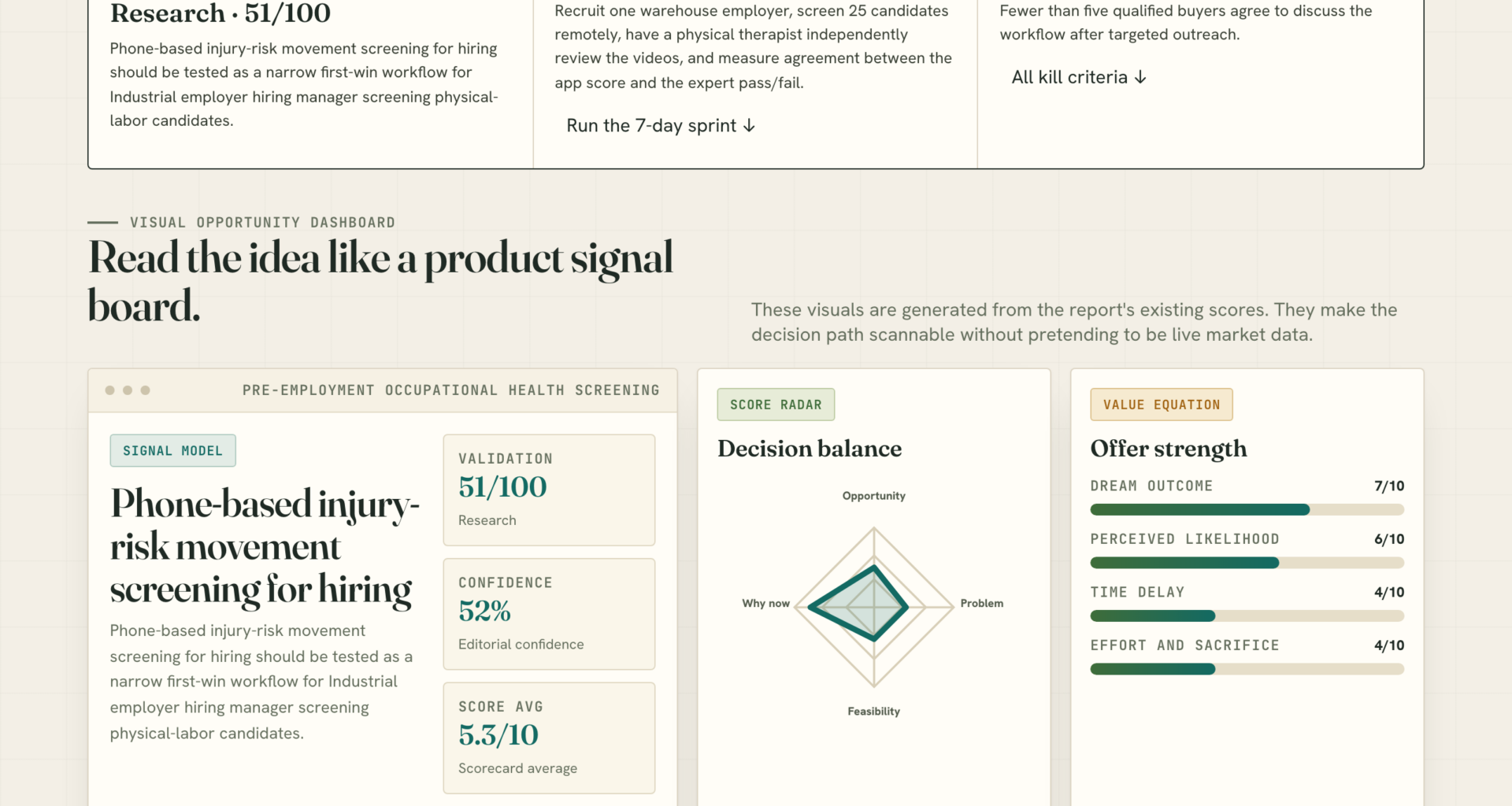
📊 Full opportunity report: Phone-based injury-risk movement screening for hiring on IdeaNavigator AI — validation score, market gap, and execution plan.
Open a free Amazon Business account
Business pricing, bulk buying and tax-exempt orders.
Create a free accountAs an affiliate, we earn on qualifying purchases.
TL;DR
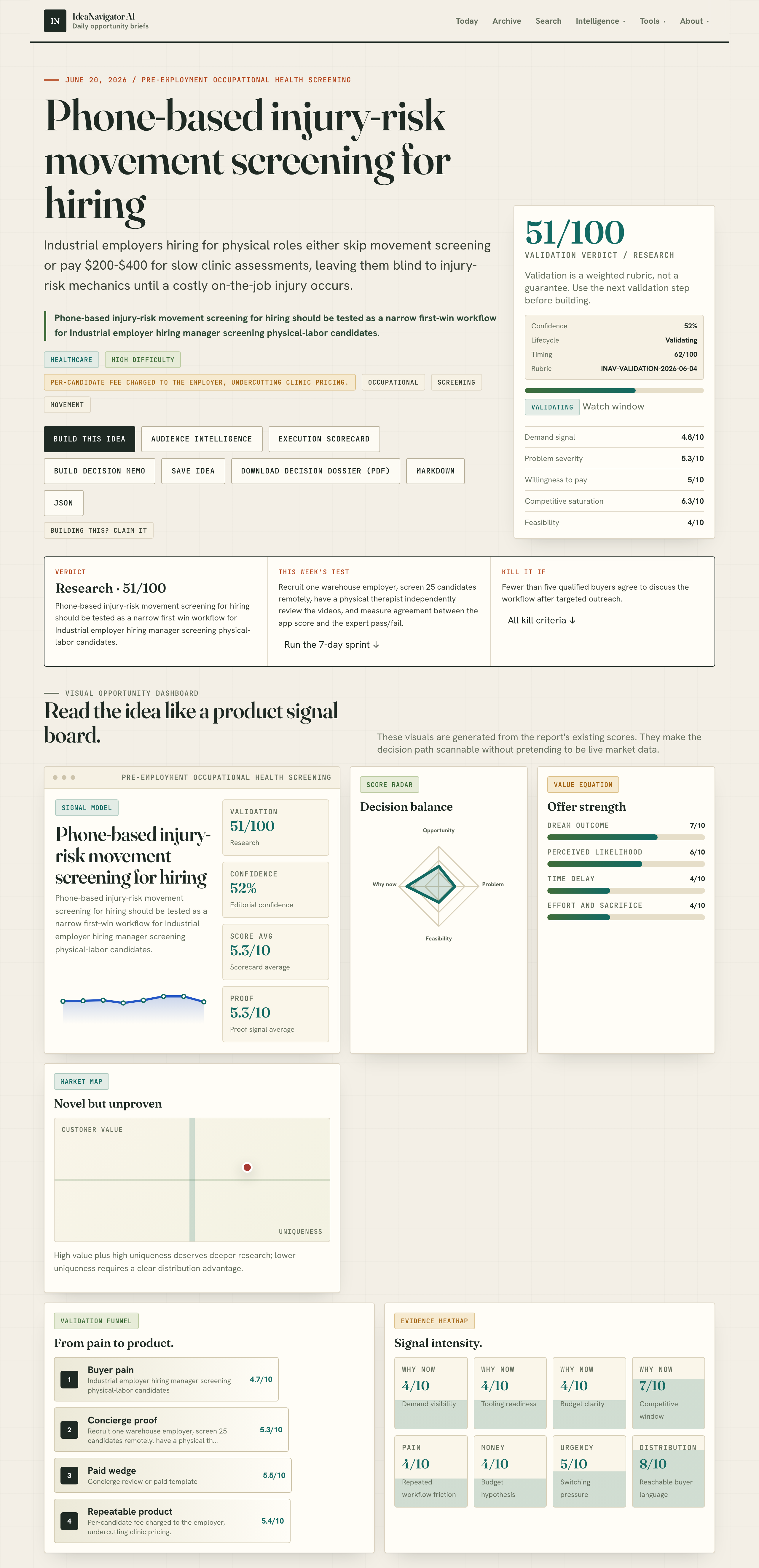
A pilot program is evaluating a phone-based movement screening app to assess injury risk for physical labor candidates. It aims to provide quick, affordable, remote evaluations, potentially replacing costly clinic assessments.
A new phone-based movement screening tool is being tested for use in the hiring process of physical labor candidates in the industrial sector. This development aims to address the high costs and delays associated with traditional clinic assessments by offering a quick, remote evaluation method that could be integrated into pre-employment screening.
The initiative involves developing an app that guides candidates through capturing 5-7 specific movements, such as squats and lifts, using their phone cameras. The app then analyzes these videos with pose estimation technology and provides a pass/fail injury risk score within 24 hours. This approach is designed to be cost-effective, with a per-candidate fee estimated at $30-50, significantly lower than clinic assessments costing $200-400.
According to an anonymous source involved in the project, the system aims to be validated by comparing app scores with independent reviews by physical therapists. The initial pilot involves screening 25 candidates for a warehouse employer, with the goal of assessing the agreement between automated scores and expert evaluations.
Potential Impact on Industrial Hiring Practices
This development could significantly reduce the cost and time associated with injury risk screening, enabling employers to make safer hiring decisions before candidates start work. By shifting injury risk assessment to a remote, automated process, companies may better prevent on-the-job injuries, lowering workers’ compensation costs and improving workforce safety.
Moreover, the approach could standardize movement assessments across industries, providing consistent benchmarks and reducing reliance on subjective or slow clinic evaluations. If validated, this technology may become a key component of occupational health screening, especially as remote work tools become more sophisticated and accessible.
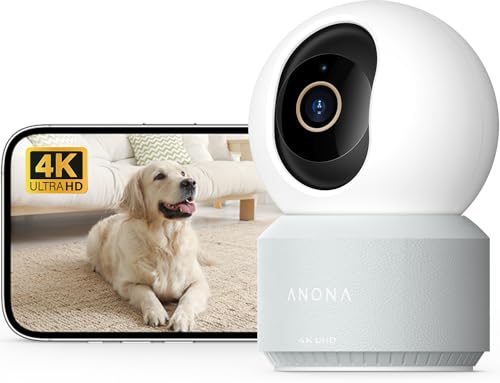
Anona Pano 4K UHD Indoor Camera, Pet/Dog/Baby Security Camera with Phone App, 360° Pan-Tilt, 2.4G/5G Dual-Band Wi-Fi 6, Auto-Tracking, Person/Pet/Baby Crying Detection, Privacy Mode, Two-Way Audio
- 4K Ultra HD & 8x Zoom: Capture detailed videos day and night
- AI Detection of People, Pets, and Crying: Receive instant notifications on your phone
- 360° Pan and 110° Tilt: View all angles with auto-tracking
As an affiliate, we earn on qualifying purchases.
As an affiliate, we earn on qualifying purchases.
Background on Injury Screening in Industrial Hiring
Currently, many industrial employers either skip movement screening due to cost or rely on slow, expensive clinic assessments, which can cost between $200 and $400 per candidate. These assessments often occur after an injury, highlighting a gap in preemptive risk evaluation. Rising workers’ compensation costs and advances in phone camera and AI technology have created an opportunity to develop remote, scalable screening tools. Pilot projects exploring similar approaches have shown promise in other health screening contexts, but their application to injury risk assessment in hiring remains in early testing stages.
“This phone-based screening could revolutionize how employers evaluate injury risk before hiring, making it faster and more affordable.”
— an anonymous researcher
As an affiliate, we earn on qualifying purchases.
Uncertainties in Validation and Adoption
It is not yet confirmed how accurately the app’s injury risk scores will align with expert assessments across diverse candidate populations. The pilot is ongoing, and results are still pending. Additionally, questions remain about how quickly employers will adopt remote screening tools and whether regulatory or privacy concerns could hinder implementation.
As an affiliate, we earn on qualifying purchases.
Next Steps in Pilot Testing and Validation
The pilot involving 25 candidates will conclude within the coming months, with results analyzed to determine the agreement between app scores and physical therapist reviews. If successful, the developers plan to expand testing to more employers and refine the algorithm. Long-term, they aim to integrate the tool into standard pre-employment procedures, potentially scaling across various industrial sectors.
industrial worker movement evaluation
As an affiliate, we earn on qualifying purchases.
As an affiliate, we earn on qualifying purchases.
Key Questions
How accurate is the phone-based movement screening compared to traditional assessments?
Accuracy is currently being evaluated through pilot testing, comparing app scores with independent physical therapist reviews. Final results are pending.
What movements does the app analyze?
The app guides candidates through 5-7 movements, including squats, reaching, lifting simulations, and balance holds.
How much does the screening cost per candidate?
The estimated cost is between $30 and $50 per candidate, significantly lower than clinic assessments.
Will this screening replace on-site assessments entirely?
It is too early to say; the tool is intended as a supplement or initial screening step, not a complete replacement for all assessments.
Are there privacy concerns with remote movement screening?
Privacy considerations are being addressed, but specifics depend on implementation and compliance with relevant regulations.
Source: IdeaNavigator AI
Flea & tick season Picks
flea and tick prevention
As an affiliate, we earn on qualifying purchases.