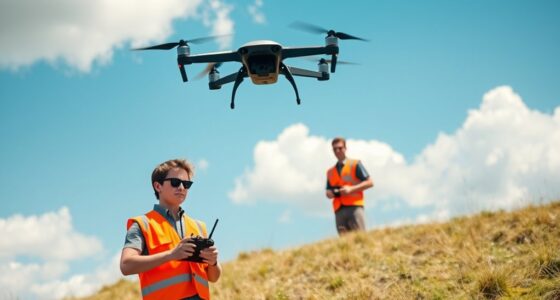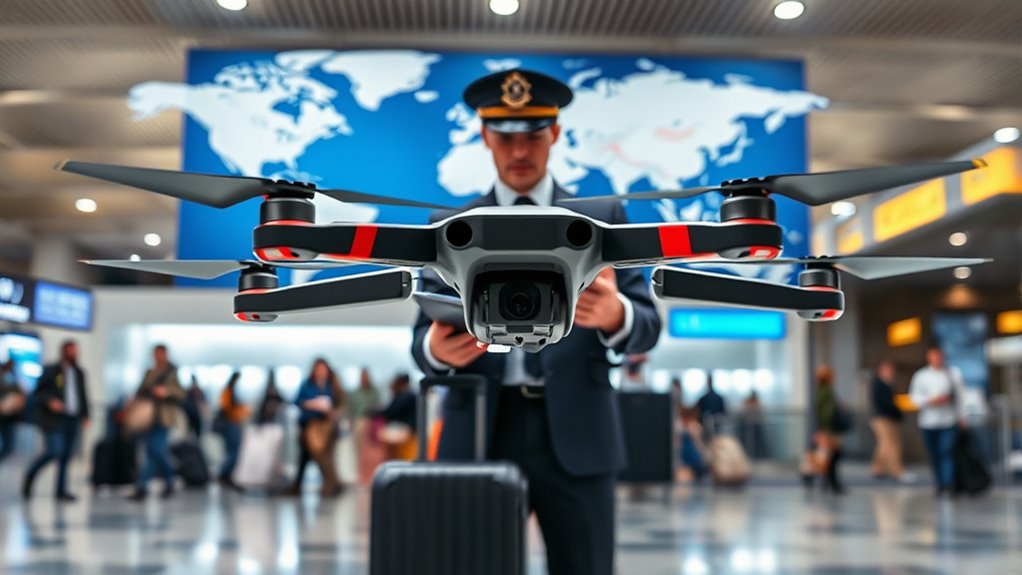

When traveling internationally with your drone, you need to check each country’s customs procedures and drone laws. This includes registering your drone if required, displaying registration numbers, and understanding airspace restrictions or no-fly zones. Carry proof of registration and permits to avoid legal issues or confiscation. Laws can change quickly, so staying updated is key. Keep exploring to discover essential tips that help you fly safely and legally abroad.
Get ready for Prime Big Deal Days — try Prime free
Exclusive member deals on October 6–7, plus fast free delivery. Cancel anytime.
As an affiliate, we earn on qualifying purchases.
Key Takeaways
- Research and comply with each country’s drone registration, licensing, and permit requirements before traveling.
- Check for airspace restrictions and no-fly zones, and obtain necessary permits for restricted areas.
- Carry proof of registration, permits, and relevant documentation during travel to avoid legal issues.
- Use official maps or apps to identify restricted zones and stay updated on local drone laws.
- Stay informed about regulation changes and ensure secure management of your flight data with approved tools.
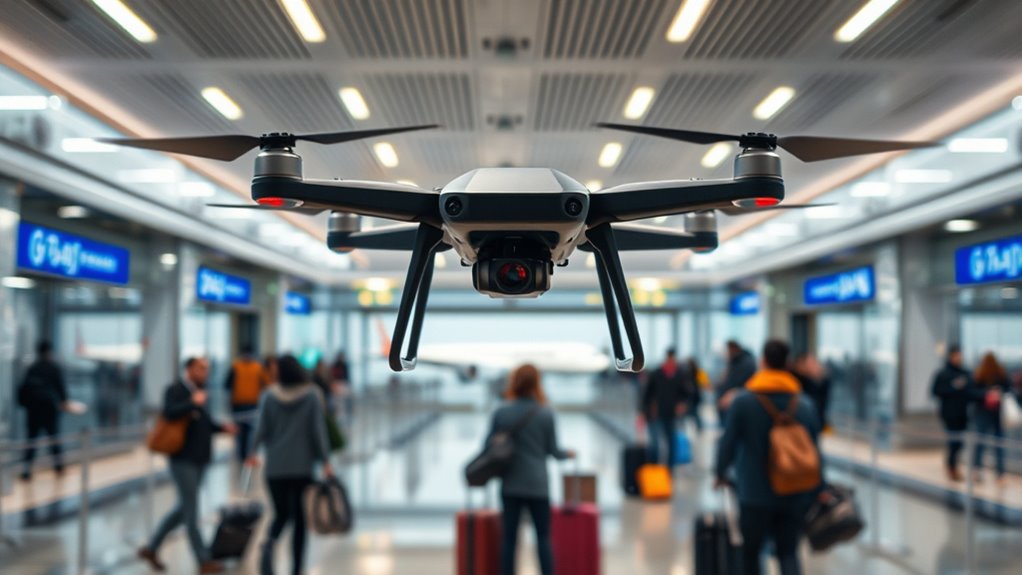
Traveling internationally with your drone can be an exciting way to capture stunning footage and explore new perspectives, but it requires careful planning. Before you pack your drone, you need to understand the drone registration requirements of the destination country. Many countries mandate that all drones above a certain weight are registered with the relevant aviation authority. Failing to register your drone can lead to hefty fines or confiscation, so it’s vital to check the specific rules beforehand. Registration often involves providing your personal details and drone specifications, and some countries issue a registration number that must be displayed on your drone. This process is usually straightforward but varies from place to place, so visiting official government websites or contacting local authorities in advance can save you headaches during your trip.
Equally important is understanding airspace restrictions in your destination. Different countries have different rules about where you can fly your drone, especially near airports, government buildings, military zones, or crowded areas. Some places have designated no-fly zones that you must avoid entirely, while others require special permits to access certain airspace. Ignoring these restrictions can not only ruin your trip but also result in legal trouble or safety hazards. To stay compliant, research local airspace restrictions well before your departure. Many countries provide online maps or apps that detail restricted zones, and some even have specific guidelines for recreational drone pilots. Always respect these boundaries to ensure safe and legal flying.
When traveling with your drone, it’s also wise to carry proof of registration and familiarize yourself with local laws. Some countries might require you to carry a declaration or permit at all times, especially if your drone is registered or if you plan to fly in restricted areas with special permissions. Additionally, keep in mind that airspace restrictions can change rapidly due to events or security concerns, so check for updates closer to your departure date. Being aware of innovative European cloud servers and their capabilities can also help you store and manage your flight data securely and efficiently during your travels.
Drone registration kit for international travel
As an affiliate, we earn on qualifying purchases.
As an affiliate, we earn on qualifying purchases.
Frequently Asked Questions
Do I Need a Permit to Fly a Drone in National Parks Abroad?
Yes, you generally need a drone permit to fly in national parks abroad. Many national park regulations restrict or prohibit drone use to protect wildlife and visitors’ experience. Before you fly, check the specific country’s rules and obtain any necessary drone permits. Ignoring these regulations can lead to hefty fines or confiscation, so always research local laws and secure permits to guarantee a smooth, legal flight in foreign national parks.
Are There Specific Insurance Requirements for International Drone Flights?
Yes, you need proper insurance coverage for international drone flights. You should consider drone liability insurance to protect against damages or accidents, as many countries require proof of coverage before allowing drone operations. Check with your insurer if your current policy covers international flights, or if you need additional coverage. Ensuring adequate insurance not only complies with local laws but also safeguards you from potential financial liabilities during your trip.
How Do I Handle Emergency Situations or Accidents With My Drone Internationally?
If an emergency or accident occurs internationally, you should follow your emergency response plans and notify local authorities immediately. Always carry liability insurance options that cover international incidents. Stay calm, document the situation with photos or videos, and cooperate with local officials. Having a clear plan and proper insurance guarantees you’re prepared to handle unforeseen events responsibly and minimize potential legal or financial repercussions.
Can I USe My Drone’s Home Point Feature Outside the US?
Wondering if you can use your drone’s home point feature outside the US? The answer depends on local laws and GPS tracking features. Many drones’ home point functionality relies on GPS signals, which can sometimes be unreliable or restricted abroad. Always check your drone’s specifications and local regulations before flying. When in doubt, deactivate the feature to avoid accidental flyaways or legal issues, ensuring safe, secure, and smooth international drone adventures.
What Are the Privacy Laws Regarding Drone Photography in Foreign Countries?
You need to be aware of privacy regulations and photography restrictions in foreign countries before capturing aerial images. Many nations have strict laws protecting individual privacy, and taking photos without permission can lead to fines or legal trouble. Always research local rules, ask for permission when photographing private property, and respect people’s privacy rights. By staying informed and cautious, you can enjoy drone photography abroad without risking legal issues.
Portable drone legal compliance kit
As an affiliate, we earn on qualifying purchases.
As an affiliate, we earn on qualifying purchases.
Conclusion
So, next time you’re jetting off with your drone, remember all those customs rules and laws you’ve brushed off—because nothing says “adventure” like realizing your drone’s now a prohibited souvenir. Ironically, what’s meant to elevate your travel experience can turn into a hassle if you ignore the regulations. But hey, at least you’ll have a great story about how you almost turned your trip into an international drone debacle! Safe flying!
As an affiliate, we earn on qualifying purchases.
Drone travel accessories with permits display
As an affiliate, we earn on qualifying purchases.
As an affiliate, we earn on qualifying purchases.
Fall Picks
fall essentials
As an affiliate, we earn on qualifying purchases.