
If you’re flying FPV drones, you need a visual observer whenever you’re operating beyond your line of sight or in regulated, congested airspace like near airports or busy areas. A spotter helps you stay compliant with safety rules, avoid obstacles, and respond quickly to unexpected hazards. Having a visual observer is essential for safe, legal flying in these situations. Keep exploring to learn more about when a spotter is truly required and how to stay compliant.
Get ready for Prime Big Deal Days — try Prime free
Exclusive member deals on October 6–7, plus fast free delivery. Cancel anytime.
As an affiliate, we earn on qualifying purchases.
Key Takeaways
- A visual observer is legally required when flying beyond visual line of sight (BVLOS) or in congested, populated, or restricted airspace.
- When operating FPV drones under recreational or commercial licenses, a spotter is necessary to maintain safe, legal operations.
- A visual observer helps monitor obstacles, other aircraft, and hazards, especially in complex or high-risk environments.
- Using a spotter ensures compliance with FAA and local regulations, reducing the risk of fines, violations, or accidents.
- A visual observer is essential during flights near airports, controlled airspace, or in areas with high air traffic or obstacles.

Are you wondering if you need a visual observer for your drone operations? If you’re flying an FPV (First Person View) drone, understanding when a spotter is required is essential for staying within safety regulations and ensuring legal compliance. Many drone pilots overlook the importance of having a visual observer, but in certain situations, it’s not just recommended — it’s mandatory. The Federal Aviation Administration (FAA) and other regulatory bodies have clear rules to help you navigate these requirements.
Understanding when a visual observer is required for FPV drone flights is essential for legal and safe operation.
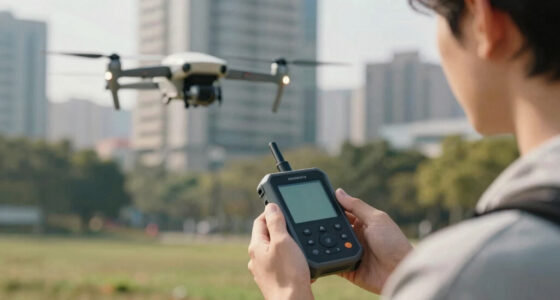
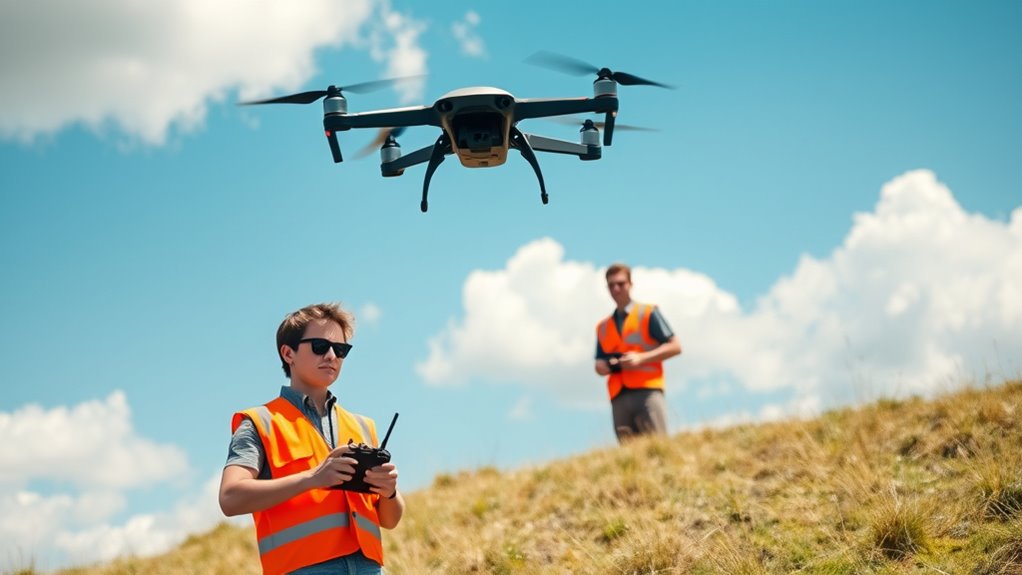
When flying FPV, your primary view comes from the drone’s camera, which means you can’t see your surroundings directly. This is where a visual observer, or spotter, comes into play. The FAA’s rules specify that if you’re operating under a recreational or commercial drone license, and your drone is beyond visual line of sight (BVLOS), a visual observer is generally required. This person must keep within direct sight of the drone at all times and be capable of alerting you to any obstacles, other aircraft, or hazards. This isn’t just a safety measure; it’s a legal obligation meant to prevent accidents and violations.
Safety regulations emphasize the importance of having a dedicated observer who can maintain constant visual contact with the drone. This helps you avoid potential collisions, fly responsibly, and respect airspace boundaries. For commercial operations, the rules are even more strict, and failure to comply could lead to hefty fines or license revocations. Having a visual observer also helps you document compliance if questioned by authorities, demonstrating you’re operating within the law.
Legal compliance isn’t just about avoiding fines; it’s about respecting the safety of others in the airspace. If your drone is used in a congested area, near airports, or over populated zones, the presence of a spotter becomes even more critical. They can help you stay aware of your surroundings and respond quickly if unexpected situations arise, such as a drone malfunction or an aircraft entering your airspace. Being proactive about safety regulations and legal requirements shows that you prioritize responsible drone operation, which benefits everyone.
Frequently Asked Questions
Are There Any Exceptions to Needing a Visual Observer?
There are limited exceptions to needing a visual observer, but alternative safety measures like technological solutions can sometimes suffice. For example, using reliable first-person view (FPV) transmitters with fail-safes, GPS-based altitude limiters, and obstacle avoidance systems can enhance safety. However, rules vary by jurisdiction, so always check local regulations. When in doubt, having a visual observer remains the safest and most compliant option to guarantee safe FPV flying.
How Do Regulations Vary Between Countries Regarding Spotters?
They say “know the rules, then fly free,” and regulations vary widely between countries. International standards aim for consistency, but enforcement challenges still exist, making it tricky for pilots to navigate. Some nations require spotters for certain drone operations, while others have more lenient rules. Always check local regulations before flying, because what’s allowed in one country might land you in trouble elsewhere.
Can a Drone’s Onboard Camera Serve as a Visual Observer?
A drone’s onboard camera can’t serve as a visual observer because of camera limitations like limited field of view and possible obstructions. Observer responsibilities include maintaining situational awareness and providing real-time guidance, which a camera can’t do effectively. Relying solely on the onboard camera risks missing obstacles or other aircraft, so a dedicated visual observer remains essential for safe FPV flying when regulations require one.
What Are the Consequences of Flying Without a Visual Observer?
Flying without a visual observer can lead to serious consequences, including safety risks and regulatory violations. You risk collisions, property damage, or injury, which can result in fines or license suspension. Skipping a visual observer undermines your risk assessment and safety protocols, making your flights unpredictable and unsafe. Always verify you have a spotter to maintain safe operation, especially in complex environments, and comply with local regulations to avoid penalties.
How Does Weather Impact the Requirement for a Visual Observer?
Like Icarus flying too close to the sun, you need to heed weather conditions when flying FPV. Poor visibility requirements caused by fog, rain, or strong winds can impair your ability to see your drone clearly, making a visual observer essential. Adverse weather demands a vigilant spotter to guarantee safety, helping you maintain control and stay within legal limits despite changing weather conditions.
Conclusion
In conclusion, whether you need a visual observer depends on your flying situation and local regulations. Remarkably, studies show that FPV pilots with a spotter are 30% less likely to experience accidents. Having a visual observer not only keeps you compliant but also enhances safety for everyone nearby. So, if you’re flying in complex or crowded areas, it’s wise to have someone watching out for you. Safety always comes first—don’t skip the spotter when it’s required.
Fall Picks
fall essentials
As an affiliate, we earn on qualifying purchases.