
The FAA’s new Remote ID rules for 2025 require drone operators to broadcast their location, ID, and operator details to enhance safety and accountability in shared airspace. You can choose from broadcast, network-based, or hybrid solutions to meet these standards. You’ll need to register your drone and guarantee it complies by the enforcement deadlines. If you want to understand exactly how these rules work and how to stay compliant, continue exploring the details.
Key Takeaways
- The FAA requires drones to broadcast Remote ID data by 2025, including location, ID, and operator info.
- Operators must register drones and install compliant Remote ID hardware or use approved solutions.
- Different Remote ID options include broadcast, network-based, or hybrid systems, depending on operational needs.
- The rules aim to improve safety, accountability, and real-time drone tracking during flights.
- Compliance deadlines are critical to avoid penalties, with phased implementation and ongoing updates required.
What Is Drone Remote ID and How Does It Work?

Have you ever wondered how authorities keep track of drones in the sky? Drone Remote ID is the technology that allows this. It broadcasts essential information like the drone’s location, ID, and operator details in real time. This system helps authorities monitor drone activity and guarantee safety. Additionally, standardization of protocols ensures that Remote ID systems are compatible across different drone models and jurisdictions, enhancing overall effectiveness. However, it raises privacy concerns, especially regarding drone privacy. Some worry that constant broadcasting could lead to unauthorized surveillance or data collection. The goal is to balance safety with privacy rights. With Remote ID, drones become more transparent, making it easier for authorities to identify and respond to potential issues. While it enhances security, it’s vital to address privacy concerns to protect users’ rights and prevent misuse of drone data. Additionally, European cloud infrastructure can support the secure and efficient management of Remote ID data, ensuring compliance with privacy standards. Implementing robust data encryption protocols can further safeguard sensitive information transmitted by the system. Moreover, establishing clear regulations and policies is crucial to prevent misuse and ensure responsible drone operation. Furthermore, ongoing technological advancements continue to improve the capabilities and security features of Remote ID systems.
The Rationale Behind FAA’s Remote ID Regulations

The FAA implemented Remote ID regulations to address growing safety concerns as drone usage expands nationwide. These rules help authorities identify drones in real-time, reducing risks to people and property. They also aim to improve accountability, especially during emergencies or unlawful activities. However, implementing Remote ID presents technological challenges, such as ensuring reliable data transmission and compatibility across various devices. Privacy concerns also arise, as drone operators worry about their location data being exposed or misused. The FAA’s goal is to balance safety with privacy, encouraging responsible drone use without infringing on individual rights. By establishing clear standards, the regulations seek to foster trust and integration of drones into the national airspace. Additionally, understanding the technology behind drone identification can help stakeholders adapt more effectively to these new rules. Advances in remote identification systems are essential for seamless integration and operational reliability. Furthermore, addressing security vulnerabilities related to data transmission is crucial for maintaining the integrity of drone operations. An understanding of specialized hardware used in Remote ID can facilitate smoother implementation and compliance. Ultimately, these measures aim to make drone operations safer and more transparent for everyone involved.
Key Requirements for Drone Operators Under the New Rules
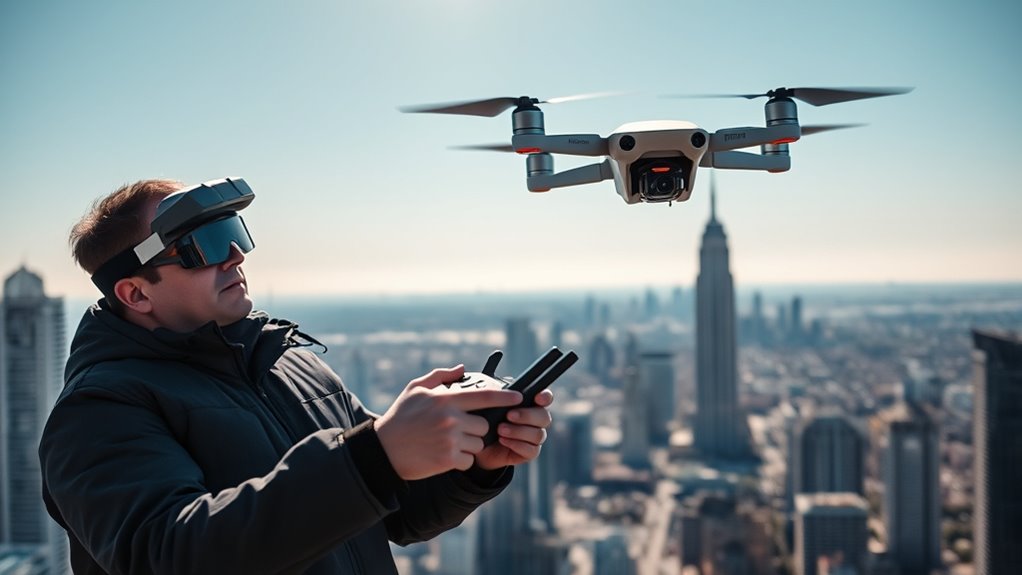
To comply with the new drone regulations, operators must meet specific key requirements that guarantee safe and responsible use. You’ll need to register your drone with the FAA and ensure it’s equipped with a Remote ID system or use approved solutions. Privacy concerns are addressed by limiting data sharing and ensuring your drone’s information isn’t misused. The rules also emphasize the importance of understanding technological innovations, like encrypted data transmission, to prevent hacking or unauthorized access. Maintaining line-of-sight during flights and adhering to altitude restrictions are mandatory. You must also stay updated on local regulations and restrictions, which can vary by region and impact your operational capabilities. These requirements help promote transparency, safety, and responsible drone use while leveraging technological advances to protect user privacy and enhance operational security. Additionally, understanding drone operation best practices is vital for compliant and secure drone operation. Staying informed about cryptid mysteries and other folklore can also help operators better understand the cultural landscape and potential public perceptions related to drone usage in various regions. Incorporating drone safety protocols can further reduce risks and ensure compliance with evolving standards. Familiarity with advanced security measures can assist operators in safeguarding their drone systems against threats and vulnerabilities.
Types of Remote ID Solutions Available to Drone Pilots
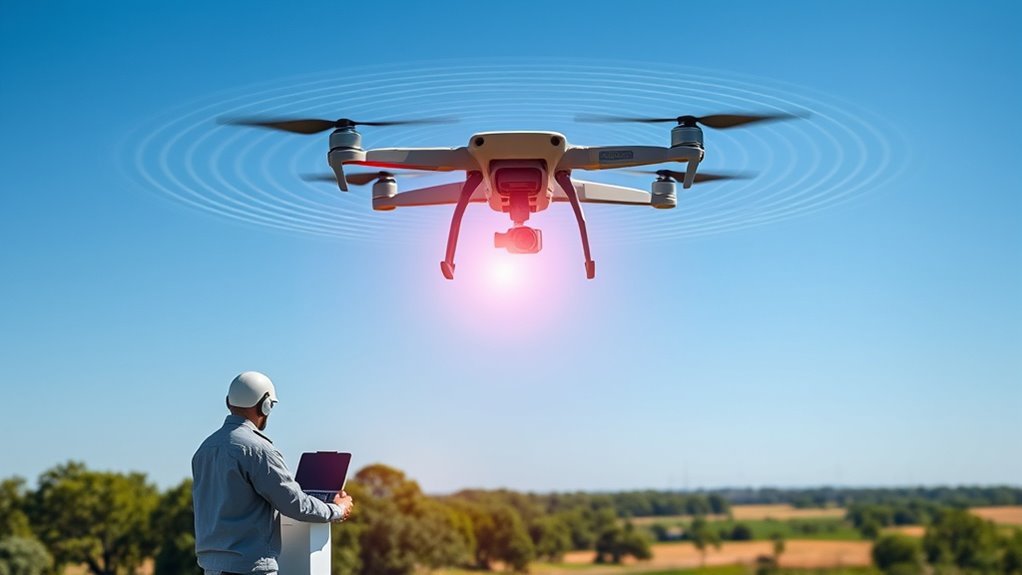
What options do drone pilots have when it comes to Remote ID solutions? You can choose between broadcast, network-based, or a combination of both. Broadcast solutions transmit your drone’s ID directly from the aircraft, which can raise privacy concerns since anyone nearby can receive the data. Network solutions rely on internet-connected systems, offering more control over who accesses your information but may introduce vulnerabilities to drone hacking if security isn’t tight. Some drones will have built-in Remote ID transmitters, while others may require external modules. Your choice depends on your operational needs and how much you value privacy versus ease of use. Staying informed about these options helps you comply with FAA rules and safeguard your drone against potential threats. Understanding Remote ID technology is essential for safe and compliant drone operation.
Implementation Timeline and Step-by-Step Compliance Guidance

You need to be aware of upcoming registration deadlines and what steps to follow to stay compliant. We’ll outline the key milestones and break down each step to help you meet requirements smoothly. Understanding the future enforcement timeline guarantees you’re prepared for any changes or penalties ahead. Incorporating AI-generated music into your workflow can enhance creativity and sound design efficiency. Additionally, familiarizing yourself with deep-sky imaging techniques can improve your overall understanding of complex systems, much like understanding drone regulations helps ensure safe and compliant operation. Staying informed about reliable backup power options can also ensure your operations remain uninterrupted during unexpected outages.
Registration Deadlines Overview
Are you clear on the upcoming registration deadlines for drone Remote ID compliance? Knowing these deadlines helps you avoid penalties and stay compliant. The FAA requires drone owners to register within specific timeframes, depending on when you first operate. You should be aware of potential privacy concerns and technological challenges that could impact the registration process.
Here are key points to remember:
- Registration must be completed before your first flight under the new rules
- Deadlines vary based on when you started operating your drone
- Keep up with updates to avoid missing essential compliance steps
Staying on top of these deadlines ensures you meet FAA requirements smoothly, despite concerns about privacy and technological hurdles that might complicate the process.
Compliance Steps Breakdown
To guarantee smooth compliance with the new Remote ID rules, it’s essential to follow a clear implementation timeline and step-by-step guidance. First, review drone hobbyist regulations to understand your responsibilities. You’ll need to update or equip your drone with the necessary Remote ID hardware by the deadline, considering privacy concerns related to data transmission. Next, register your drone if required, ensuring your information remains secure. During the implementation process, verify that your drone’s Remote ID broadcasts correctly and complies with FAA standards. Keep track of deadlines to avoid penalties. Staying informed about privacy concerns helps you protect your personal data. Following these steps diligently ensures you meet regulations while maintaining responsible drone operation.
Future Enforcement Timeline
The enforcement timeline for Remote ID compliance outlines key deadlines and steps to guarantee your drone remains lawful. Staying ahead of the future regulation requires understanding these milestones. The upcoming enforcement timeline sets clear dates for compliance, helping you prepare effectively. Ignoring deadlines could lead to penalties or drone restrictions. To stay compliant, follow these important steps:
- Register your drone before the final enforcement date
- Install Remote ID modules or operate within approved areas
- Keep up with updates on future regulation changes
- Incorporating sound scientific research on frequency influence can help enhance your understanding of optimal drone operation environments. Additionally, understanding the best gelato spots in Laguna Beach landscape can serve as a metaphor for the importance of staying informed about local regulatory environments.
Being proactive ensures you meet the enforcement timeline smoothly. Knowing these deadlines reduces the risk of non-compliance and keeps your drone operations safe and legal. Staying informed about regulatory compliance is crucial for adapting quickly as new rules take effect.
Impacts of Remote ID on Drone Flying and Industry Practices

Remote ID improves flight safety by making drone locations visible to others, reducing accidents and conflicts. However, complying with these new requirements can present challenges for industry operators, especially smaller businesses. Understanding how Remote ID affects both safety practices and industry standards is key to adapting effectively.
Enhanced Flight Safety Measures
Implementing Remote ID substantially enhances flight safety by providing real-time identification and location data of drones. This allows authorities and operators to monitor drone activity, reducing risks of accidents and collisions. It also promotes responsible flying by enabling quick responses to unsafe behaviors. However, privacy concerns arise as flight data becomes more accessible, potentially exposing sensitive information. Technological integration guarantees seamless data transmission, but it requires robust systems to prevent hacking or data breaches.
- Real-time tracking improves situational awareness during flights
- Enhanced coordination between manned and unmanned aircraft
- Strengthened safety protocols through automated alerts
Industry Compliance Challenges
While remote ID enhances safety and accountability, it also introduces significant compliance challenges for the drone industry. To meet new regulations, operators must guarantee their equipment is properly accredited, which requires adapting existing systems and workflows. This shift demands that businesses invest in industry accreditation processes, validating their compliance with FAA standards. Market adaptation becomes crucial as companies update drones, software, and operational procedures to align with remote ID mandates. Failing to comply risks penalties or operational restrictions, making it essential for industry players to prioritize compliance efforts. Steering through these challenges may also require collaboration with regulators and industry groups to streamline accreditation and stay ahead of evolving standards, ensuring continued growth and safety in the drone sector.
Frequently Asked Questions
Will Remote ID Be Mandatory for All Drone Models?
Yes, remote ID mandates will apply to all drone models. The FAA’s drone model regulations require remote identification technology on most drones to guarantee safety and accountability. You’ll need to conform to these drone model regulations, meaning your drone must have the appropriate remote ID features, regardless of its make or model. This ensures your drone can be identified during flights, helping to maintain a secure airspace for everyone.
How Will Remote ID Affect Drone Privacy and Data Security?
Remote ID might raise privacy concerns since your drone’s location and identification details could be shared publicly. To protect your data, the FAA requires secure transmission methods, and manufacturers are implementing encryption and privacy controls. You should stay informed about updates on data protection measures, so your personal information remains secure. While the rules aim to enhance safety, they also emphasize responsible data handling to respect your privacy.
Can Hobbyist Drones Be Exempt From Remote ID Requirements?
Think of hobbyist exemptions as a secret garden, protected from the fence of remote ID requirements. You, as a hobbyist, can be exempt, but only if your drone stays within certain limits. This safeguards your remote ID privacy, letting you enjoy flying without constant tracking. However, keep in mind, if you venture beyond these boundaries, the rules change, and remote ID becomes essential for your drone’s safe skies.
What Are the Penalties for Non-Compliance With Remote ID Rules?
If you don’t conform with remote ID rules, the FAA enforces measures like warnings, fines, and even criminal charges for serious violations. Penalty escalation occurs if you repeatedly ignore regulations, potentially leading to higher fines and legal consequences. Non-compliance risks your drone license or registration being revoked, and you may face civil or criminal penalties. Stay compliant to avoid these enforcement measures and ensure safe drone operation.
How Does Remote ID Impact Drone Racing and Recreational Activities?
Think of Remote ID as a guiding lighthouse in drone racing and recreational flying. It helps you stay within racing regulations while addressing privacy concerns, ensuring your flights are visible and accountable. This transparency encourages safer, more enjoyable activities, much like a lighthouse helps ships navigate safely. By complying, you protect your privacy and keep the skies open for fun, fostering trust and innovation in the drone community.
Conclusion
Staying ahead of the remote ID rules is like charting a new frontier—you’ll need to adapt quickly or risk getting lost. By understanding the requirements and embracing the technology, you can confidently soar into the skies while keeping within the law. Think of remote ID as your drone’s digital fingerprint, ensuring safe and responsible flying. Embrace these changes now, and you’ll be flying smoothly into the future of drone innovation.