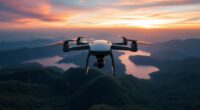
To capture stunning aerial photos, flying during golden hour offers warm, soft light that highlights textures and creates a tranquil mood, perfect for landscapes. Midday flights provide bright, direct sunlight that enhances urban details and sharpness, ideal for vibrant cityscapes. Consider weather, shadows, and your subject when planning, as each time offers unique advantages. Keep exploring to discover how to optimize your drone photography under different lighting conditions.

Get the latest gadgets delivered free — and shop member deals
- Fast, free delivery on millions of items
- Access to Prime Big Deal Days deals on October 6–7
- Prime Video, Amazon Music and more included
Key Takeaways
- Fly during golden hour for softer, warmer light that enhances landscape textures and creates a tranquil mood.
- Schedule midday flights for sharper, more vibrant images with strong contrast, ideal for urban scenes.
- Consider weather conditions; golden hour offers calmer skies, while midday provides consistent sunlight.
- Use golden hour to capture subtle shadows and gentle illumination; opt for midday when high contrast is desired.
- Adjust flight altitude and angles depending on the time to maximize image quality and visual impact.
drone camera filters for golden hour
As an affiliate, we earn on qualifying purchases.
As an affiliate, we earn on qualifying purchases.
Understanding the Characteristics of Golden Hour and Midday Light
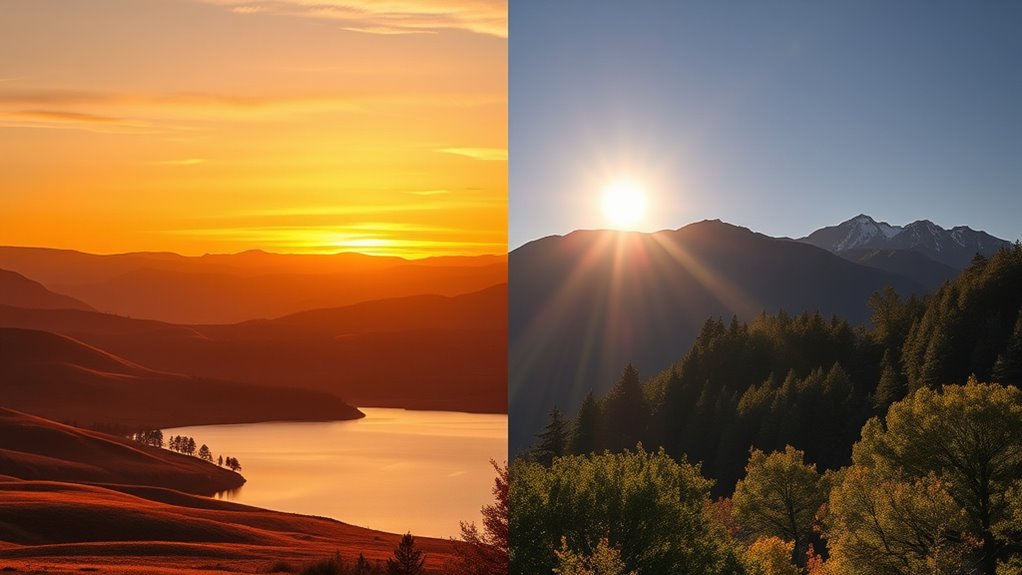
The quality of light dramatically influences your photos, especially during different times of the day. During golden hour, the color temperature is warmer, giving your images a soft, golden hue that enhances mood and emotion. The light is gentle, with low contrast, which means shadows are softer and less harsh. This favorable lighting can significantly improve your images without the need for extensive editing. Shadows are sharp and well-defined during midday due to the direct overhead sun, emphasizing textures but potentially creating unflattering results. Understanding these differences helps you plan your shots and choose the best time for capturing the desired atmosphere and clarity in your photos. Additionally, knowing the contrast ratio helps you anticipate how bright or dark your images will appear under different lighting conditions.
aerial photography drone accessories
As an affiliate, we earn on qualifying purchases.
As an affiliate, we earn on qualifying purchases.
Benefits of Flying During Golden Hour for Aerial Photography
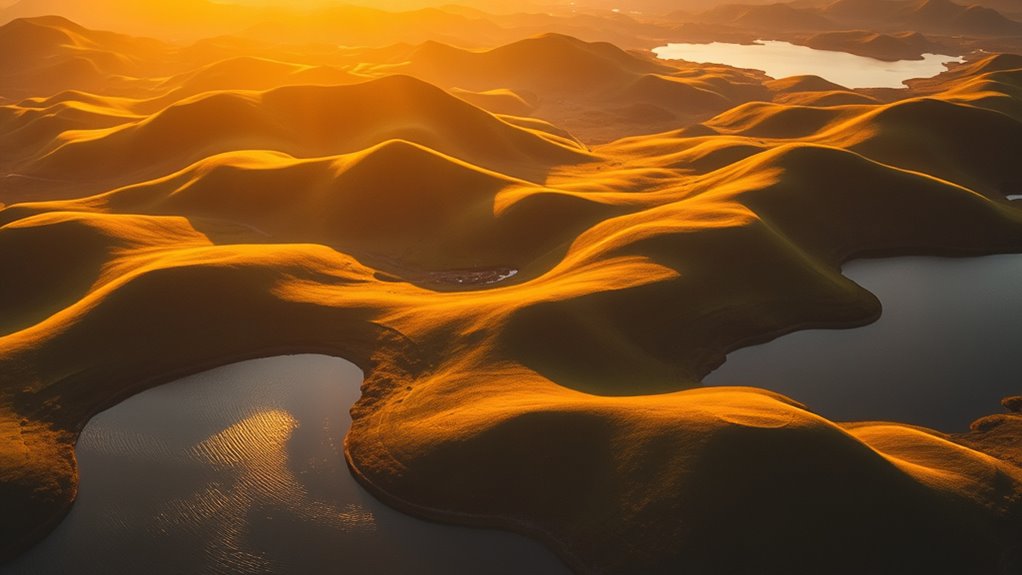
Flying during golden hour offers unique advantages for aerial photography, as the soft, warm light enhances the landscape’s textures and colors. This gentle illumination reduces harsh shadows, making your images more vibrant and detailed. During this time, drone stability improves because the calmer weather conditions typically prevail, resulting in smoother flights and sharper photos. The consistent lighting minimizes exposure adjustments, saving time and effort. Additionally, European cloud servers support the transmission and storage of high-quality aerial footage efficiently. Understanding natural lighting conditions can help you plan the perfect shoot for stunning results. Properly managing flight timing ensures you capture the best possible images when the conditions are ideal. Here’s how golden hour elevates your shots:
| Benefits | Feelings Evoked | Key Factors |
|---|---|---|
| Warm, rich tones | Awe and tranquility | Gentle sunlight |
| Enhanced textures | Connection to nature | Reduced glare |
| Better drone stability | Confidence in your shots | Calm weather conditions |
Capture breathtaking scenes with ease, knowing golden hour’s lighting makes your aerial photos truly stand out.
best drone for landscape photography
As an affiliate, we earn on qualifying purchases.
As an affiliate, we earn on qualifying purchases.
Advantages of Midday Flight for Vibrant and Sharp Images
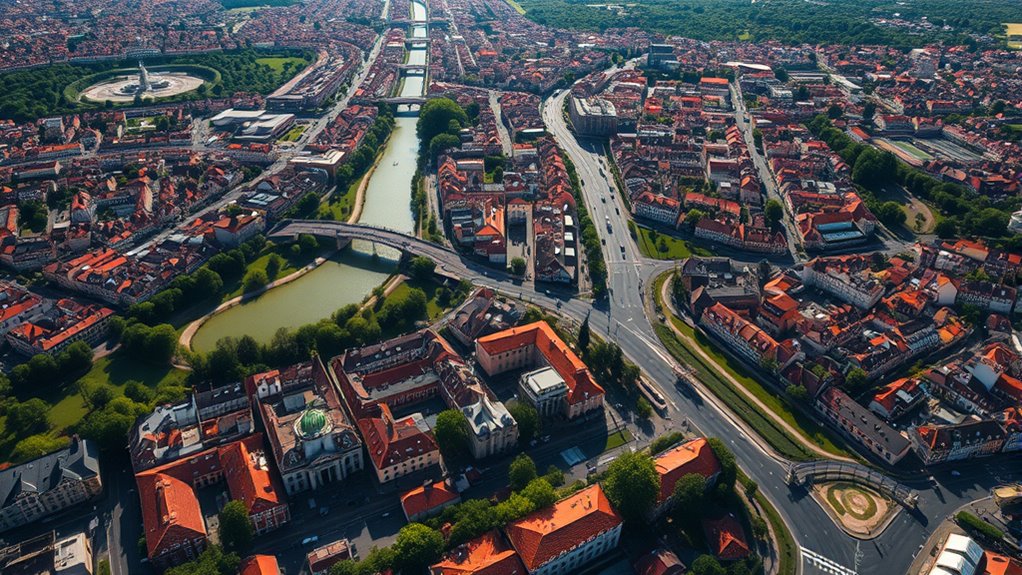
While golden hour offers beautiful, soft lighting, midday flights present a different set of advantages for capturing vibrant and sharp images. At midday, the sun’s position creates strong, direct light that enhances urban contrast, making buildings and streets pop with vivid colors. This bright illumination reduces haze, resulting in clearer, more detailed images. Additionally, the intense sunlight generates dramatic shadow play, adding depth and dimension to your shots. Shadows become crisp and well-defined, emphasizing shapes and textures in the landscape below. This high-contrast environment is perfect for capturing energetic cityscapes or detailed architectural shots. Overall, midday flights give you the opportunity to produce lively, sharp images with striking contrast, ideal for showcasing the vibrancy and complexity of urban environments.
drone landing pad for golden hour shoots
As an affiliate, we earn on qualifying purchases.
As an affiliate, we earn on qualifying purchases.
Factors to Consider When Planning Your Flight Time
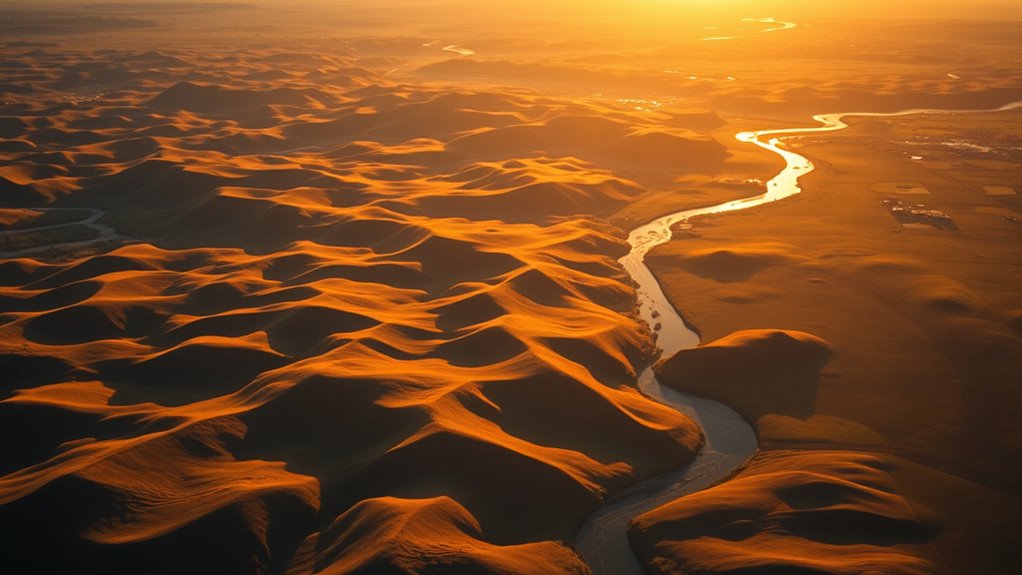
Timing your flight requires careful consideration of several factors to make certain you capture the best possible photos. Weather conditions play a vital role, as clear skies and stable atmospheric conditions help produce sharp, vibrant images. Overcast skies can soften light but might mute colors, so plan accordingly. Aircraft altitude also affects your photos; flying higher can provide broader, more expansive views, while lower altitudes deliver more detail and foreground interest. Wind and turbulence can influence stability, so check weather reports and choose calmer days for steadier shots. Additionally, consider the sun’s position relative to your flight path—flying during ideal lighting times ensures you avoid harsh shadows or blown-out highlights. Planning ahead helps you maximize your chances of stunning aerial photos.
Tips for Capturing Stunning Photos at Any Time of Day
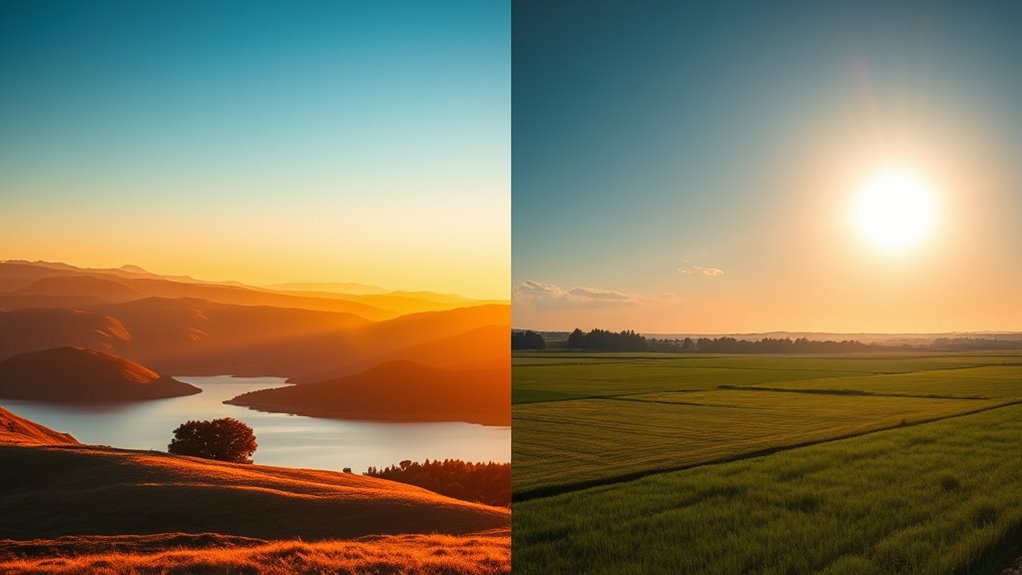
No matter what time of day you’re capturing aerial photos, there are key techniques to guarantee your images stand out. Adjust your drone altitude to find unique perspectives and avoid flat, uninspiring shots. Pay close attention to weather conditions; clear skies often yield vibrant photos, while overcast days can soften shadows for a different mood. Use higher altitudes to minimize haze or distractions, ensuring sharp, clean images. At sunset or midday, experiment with different angles to capitalize on available light. Keep your drone steady, and consider using filters or camera settings to optimize exposure. Flexibility is vital—adapting to changing weather and altitude helps you capture stunning photos, regardless of the time of day. Understanding deep-sky imaging concepts can also inspire creative lighting techniques in aerial photography, enabling you to maximize your camera’s capabilities in varying conditions. Additionally, practicing light management techniques enhances your ability to harness natural lighting for more dynamic and compelling images.
Frequently Asked Questions
How Do Weather Conditions Affect Lighting Quality During Golden Hour?
Weather conditions markedly impact lighting during golden hour. Cloud cover can soften sunlight, creating diffused, gentle light ideal for flattering photos, but too much clouds may reduce brightness. Atmospheric haze can add a dreamy, ethereal quality, though excessive haze might dull colors and reduce contrast. Clear skies offer warm, direct light, while scattered clouds produce varied lighting effects. Keep an eye on weather to optimize your golden hour photography.
Can Drone Camera Settings Compensate for Less Ideal Lighting Conditions?
Yes, drone camera adjustments can help you improve photos in less ideal lighting conditions. By tweaking settings like ISO, shutter speed, and aperture, you can capture more light and reduce noise. Additionally, using post-processing techniques like brightness, contrast, and noise reduction can enhance your images further. These tools allow you to compensate for suboptimal lighting, ensuring your photos look vibrant and sharp even when conditions aren’t perfect.
What Is the Best Altitude for Capturing Optimal Golden Hour Photos?
You should fly at an altitude of around 100 to 400 feet for golden hour photos. This altitude range allows for ideal altitude optimization and enhances aerial framing, giving you a clear, dramatic perspective. A study shows that photos captured between 200-300 feet tend to have better lighting and depth, making your images more striking. Keep your drone steady and experiment within this range for the best golden hour shots.
How Does the Angle of the Sun Influence Shadow Creation in Aerial Shots?
The sun’s angle greatly influences shadow length in your aerial shots. When the sun is low, with high sun elevation, shadows become longer and more dramatic, adding depth and texture to your photos. Conversely, when the sun is high, shadows shorten or disappear, resulting in flatter images. To create compelling compositions, plan your flights when the sun’s position produces the desired shadow effects, enhancing the overall impact of your aerial photography.
Are There Specific Locations That Enhance Golden Hour or Midday Photography?
You’ll find that urban vantage points like rooftops and bridges, as well as landscape hotspots such as national parks or coastlines, enhance golden hour photography by creating warm, dramatic lighting. Remarkably, studies show that golden hour provides softer shadows and richer colors, making these locations ideal for stunning aerial shots. Flying during this time at these sites allows you to capture breathtaking scenes with vibrant hues and captivating contrasts.
Conclusion
Think of your aerial shots as a painting—golden hour adds warm, soft strokes, while midday offers bold, vivid colors. When I first flew during golden hour, my photos felt like they captured a secret whisper of the landscape’s soul. No matter when you fly, remember that each time offers a different story. By choosing the right lighting, you’re not just taking pictures—you’re painting memories that will shine for years to come.
Fall Picks
fall essentials
As an affiliate, we earn on qualifying purchases.