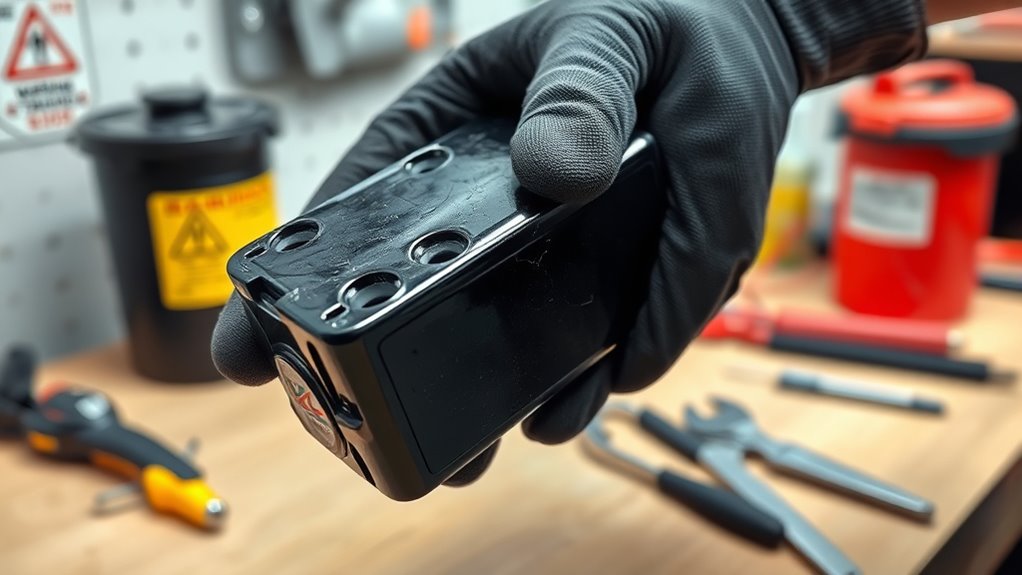

To handle and dispose of drone LiPo batteries safely, always inspect for damage and avoid using punctured or swollen units. Store batteries in fireproof containers and keep them in cool, dry places, discharging them to 40-65% for long-term storage. During charging, use proper chargers and monitor for overheating. When it’s time to dispose, fully discharge them in saltwater and take them to certified recycling centers. Following these steps helps prevent fires and injuries, and you’ll discover more safety tips ahead.
Key Takeaways
- Handle damaged or swollen LiPo batteries with extreme caution, isolating them in fireproof containers and avoiding further punctures or pressure.
- Store batteries in fireproof bags, in a cool, dry place, and discharge to 40–65% before long-term storage to prevent damage.
- Use chargers designed for LiPo batteries, monitor during charging, and disconnect immediately once fully charged to prevent overheating.
- Fully discharge batteries in controlled ways, like saltwater baths, before disposal; never discard in regular trash.
- Follow local regulations for recycling LiPo batteries, ensuring they are labeled, stored safely, and transported in fireproof containers.
Understanding the Basics of LiPo Batteries

LiPo (Lithium Polymer) batteries are popular for drones because they provide a high energy density while remaining lightweight. This makes your drone more agile and improves flight times. Each LiPo cell has a nominal voltage of about 3.7V, but when fully charged, it reaches 4.2V. You should avoid discharging below 3.0V per cell, as this can cause permanent damage. Unlike traditional batteries, LiPo cells use a gel-like polymer electrolyte, which makes them flexible but also more fragile. Their energy density ranges from 100 to 200 Wh/kg, offering a good balance of power and weight. Because of their chemistry, LiPo batteries are sensitive to temperature extremes and require careful handling to prevent safety risks like swelling or fires. Proper storage and charging practices are essential to battery safety and to extend battery life. Additionally, following manufacturer guidelines for discharging and charging can help prevent accidents. Understanding these basics helps you operate your drone safely and extend battery life. Maintaining proper battery maintenance is crucial for optimal performance and safety.
Recognizing Common Safety Hazards

Understanding the common safety hazards associated with LiPo batteries is essential because their design makes them vulnerable to physical damage and thermal issues. Punctures, impacts, or swelling can cause internal shorts, fires, or explosions. Overcharging or exposing batteries to high temperatures may lead to thermal runaway, risking fire or explosion. Discharging below safe voltage damages cells irreversibly, increasing safety risks. Cold temperatures reduce performance but rarely cause hazards. Recognizing these hazards helps you prevent accidents and handle batteries safely. Being aware of thermal management techniques can further mitigate risks associated with heat buildup during operation.
Proper Storage Techniques for Longevity and Safety
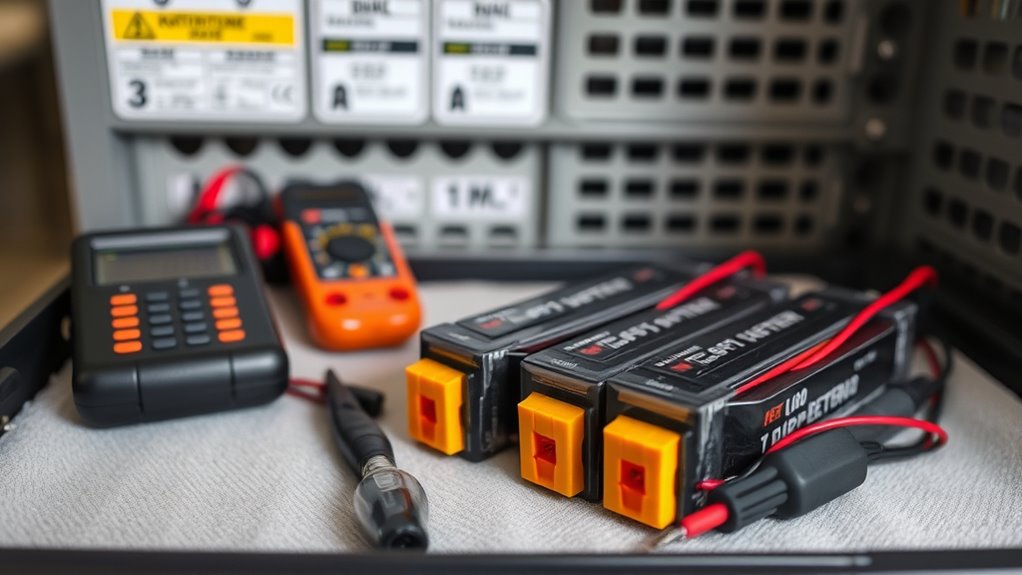
Proper storage is vital to preserve your battery’s health and guarantee safety over time. Store LiPo batteries in a cool, dry place between 22°C and 28°C to prevent overheating and degradation. Discharge batteries to around 40%-65% before storing them for extended periods, which helps avoid swelling and capacity loss. Keep batteries in fireproof safety bags or protective containers during transport or when not in use to minimize risks from punctures or short circuits. Label charged and spent batteries clearly, and segregate them to prevent confusion. Avoid exposing batteries to direct sunlight, high temperatures, or cold environments like inside a car. Regularly inspect stored batteries for physical damage, swelling, or corrosion, and dispose of any compromised units properly to guarantee safety. Understanding proper deep-sky imaging setup and handling can also help prevent accidental damage during storage and maintenance, especially considering wave and wind conditions that may affect outdoor storage safety. Additionally, being aware of auditory processing challenges can assist in creating safer storage environments by reducing unexpected noise disruptions that might lead to mishandling. Maintaining awareness of vintage technology preservation techniques can further ensure your batteries and gear remain in optimal condition over time, especially when considering storage environment factors.
Safe Charging Practices to Prevent Risks

You should always use a charger designed specifically for LiPo batteries to guarantee safe and proper charging. Keep a close eye on the battery during the process to catch any signs of overheating or swelling early. Disconnect the battery immediately once it’s fully charged to prevent overcharging and potential hazards. Additionally, storing batteries in a fire-resistant container can help mitigate risks during charging and discharging. Using temperature control devices such as IR thermometers can help monitor battery health and prevent thermal runaway. Being aware of Floating on Water safety practices can also remind you to stay informed about safety practices and personal responsibility when handling valuable or sensitive items. Proper ventilation considerations can further reduce the buildup of potentially hazardous gases during charging.
Use Proper Chargers
Using the right charger is essential for safe and effective LiPo battery management. Choosing a charger designed specifically for LiPo batteries guarantees proper voltage regulation and prevents overcharging. To maximize safety and battery lifespan, keep these tips in mind:
- Use chargers with built-in balance charging features to evenly charge all cells.
- Always select the correct charging current recommended for your battery’s capacity.
- Never leave a charging battery unattended or charge on flammable surfaces.
- Be aware of Free Floating conditions that can affect the safety of your setup and ensure your charging area is stable.
Monitor During Charging
Monitoring your LiPo battery during charging is crucial to prevent accidents and guarantee safety. Always stay nearby and observe the charging process to catch early signs of trouble, like swelling, overheating, or strange smells. Use a dedicated charger with built-in balance control and temperature monitoring features. Keep the charging area clear of flammable materials and never leave batteries unattended. Regularly check the battery’s temperature with an infrared thermometer or touch carefully; excessive warmth indicates a problem. The following table highlights key safety points:
| Key Point | Action | Reason |
|---|---|---|
| Supervise charging | Stay nearby during charge | Detect issues early |
| Use proper charger | Ensure compatibility | Prevent overcharge |
| Monitor temperature | Check often | Avoid thermal runaway |
| Inspect after charging | Look for swelling or damage | Ensure safe handling |
Additionally, always follow manufacturer guidelines for specific charging instructions to ensure optimal safety and battery longevity. It is also beneficial to understand the battery chemistry to recognize potential hazards and proper handling procedures. Being aware of safe handling practices can further reduce risks associated with LiPo batteries. Regularly updating your knowledge on battery safety standards can help you stay current with best practices and emerging risks. Moreover, maintaining awareness of proper storage techniques can help prolong battery life and prevent accidents during downtime.
Routine Inspection and Maintenance Procedures
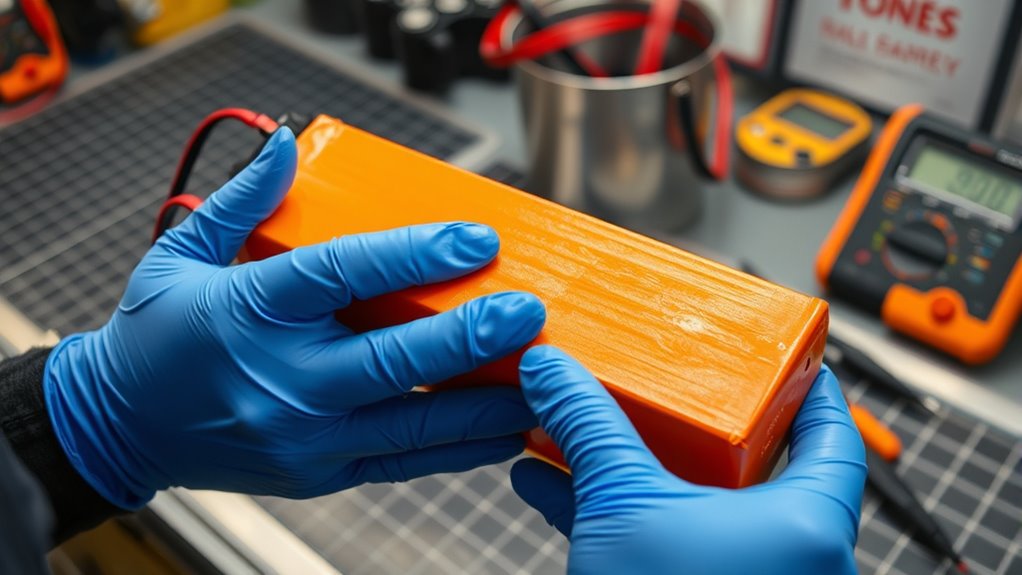
Regular inspection of LiPo batteries is essential for ensuring safety and ideal performance. You should routinely check for physical damage, improper storage, and signs of aging. Here are three key steps:
Regularly inspect LiPo batteries for damage, proper storage, and aging signs to ensure safety and optimal performance.
- Visual Check: Look for swelling, punctures, corrosion, or leaks. Discard any battery showing these signs to prevent hazards.
- Voltage Monitoring: Use a LiPo checker or charger to verify individual cell voltages. Replace batteries with inconsistent or degraded voltage readings.
- Cleanliness and Storage: Keep batteries dry and free of debris. Store them in a cool, dry place, and avoid exposing them to extreme temperatures or impacts. Proper battery lifecycle management can help extend the safe use of your batteries.
Perform these inspections before and after each flight, and retire any damaged or suspect batteries to maintain safety and prolong battery life.
Handling Physical Damage and Punctures
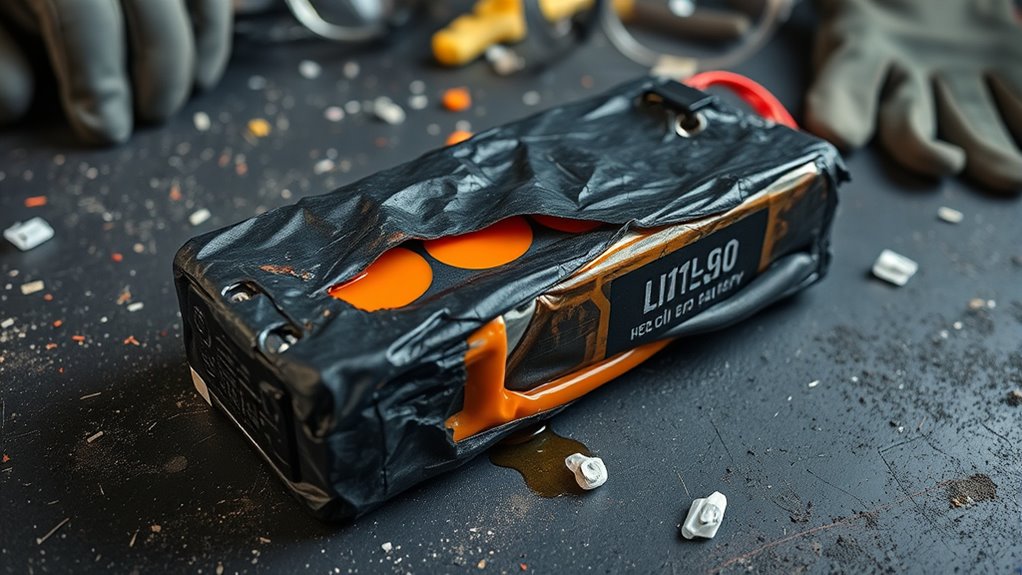
Physical damage and punctures to your LiPo battery can pose serious safety hazards, as they may cause internal short circuits, swelling, or even fires. If you notice any cracks, tears, or holes, handle the battery with extreme caution. Do not attempt to use or charge a damaged battery, as the internal cells could be compromised and dangerous. Carefully isolate the damaged battery from other batteries, preferably placing it in a fireproof container or safety bag. Avoid applying pressure or puncturing it further. If the battery is punctured, swollen, or visibly damaged, dispose of it immediately following proper disposal procedures. Never attempt to repair a damaged LiPo battery; it’s safer to retire it and replace it with a new one to prevent accidents.
Managing Battery Discharge and Usage Limits
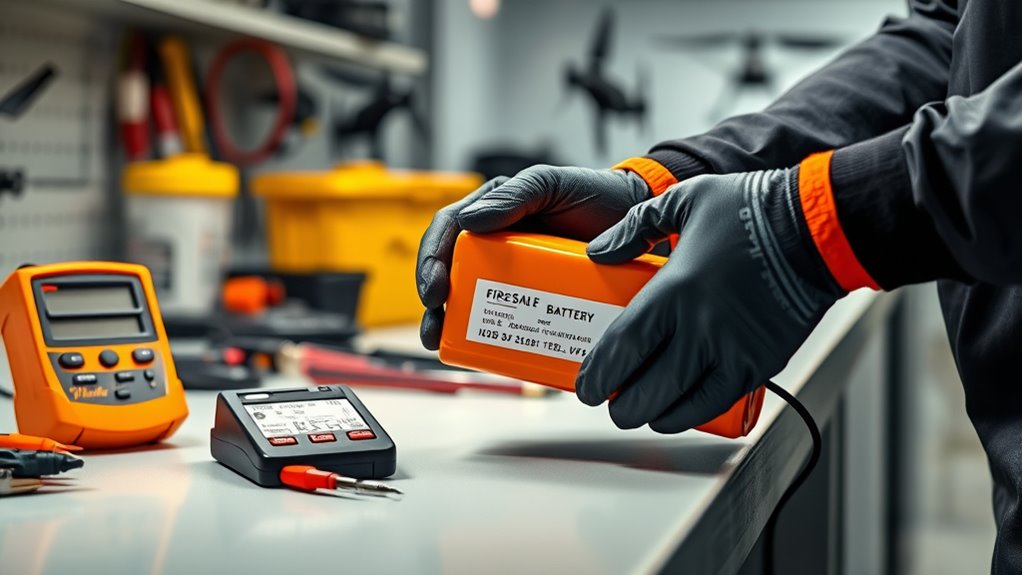
Properly managing your LiPo battery’s discharge and usage limits is essential to guarantee safety and prolong its lifespan. To do this effectively, keep these points in mind:
- Never drain your battery below 3.3V to 3.5V per cell, as deep discharges cause irreversible damage.
- Avoid overcharging above 4.2V per cell, which increases risks of swelling and thermal runaway.
- Use a compatible charger with balancing capabilities to maintain even voltage across all cells during charging.
Safe Disposal and Recycling Methods
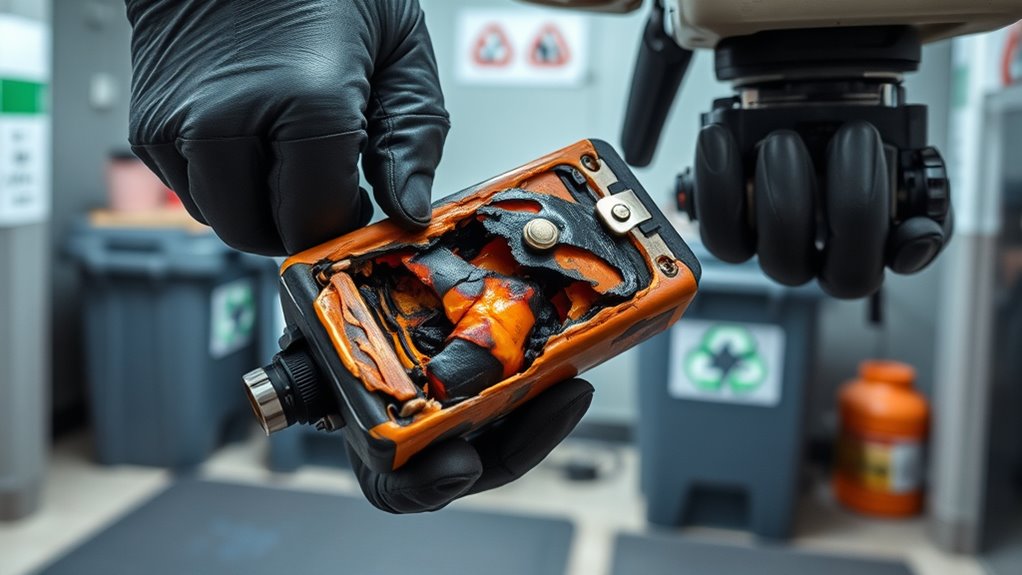
When disposing of LiPo batteries, safety should be your top priority to prevent fires or chemical hazards. Always fully discharge the battery in a controlled way, like a saltwater bath, to neutralize residual charge. Never toss batteries in regular trash. Instead, take them to certified recycling centers or hazardous waste facilities. Use fireproof containers for storage before disposal. Proper labeling helps recyclers handle them safely. Follow local regulations for disposal and transportation. To make it easier, here’s a quick guide:
| Step | Action |
|---|---|
| 1 | Fully discharge safely |
| 2 | Use designated recycling |
| 3 | Store in fireproof bag |
| 4 | Follow local disposal laws |
Always prioritize safety to prevent accidents.
Transporting LiPo Batteries Safely

When transporting LiPo batteries, always use fireproof containers to contain any potential fires or leaks. Avoid hot environments, like leaving batteries in a car on a sunny day, as heat increases the risk of thermal runaway. Proper packaging and temperature awareness are key to keeping your batteries safe during transit.
Use Fireproof Containers
Transporting LiPo batteries safely is essential to minimize fire risks and prevent accidents. Using fireproof containers provides an extra layer of protection during transit. Here are three key tips:
- Choose the right container: Use fireproof LiPo safety bags or metal enclosures designed for battery transport. These containers contain any potential fire or explosion.
- Secure the batteries: Ensure batteries are snug, preventing movement that could cause physical damage or short circuits inside the container.
- Label clearly: Mark the container as “LiPo Battery” and “Fragile” to alert handlers. Proper labeling helps ensure careful handling and compliance with transportation regulations.
Always keep batteries in a fireproof container, especially during transport, to reduce the risk of fire or damage.
Avoid Hot Environments
Avoiding hot environments during transportation is essential to maintaining LiPo battery safety. Excess heat accelerates chemical reactions, risking swelling, thermal runaway, or fires. Always store batteries in cool, shaded locations and avoid leaving them in vehicles on hot days. Use insulated containers or fireproof bags for added protection. Keep batteries away from direct sunlight, heaters, or heat sources. When packing multiple batteries, separate them to prevent contact and short circuits.
| Environment | Temperature Range | Effect on Battery |
|---|---|---|
| Cold | Below 0°C | Reduced efficiency, safe |
| Optimal | 22-28°C | Secure and stable |
| Hot | Above 35°C | Accelerates degradation, risk |
Stay vigilant to ensure your batteries remain cool and safe during transport.
Frequently Asked Questions
How Can I Tell if a Lipo Battery Is Unsafe to Use?
You can tell if a LiPo battery is unsafe by inspecting it for swelling, punctures, leaks, or corrosion. Check for physical damage and abnormal swelling, which indicates internal issues. Measure the voltage of each cell; if any are below 3.0V or inconsistent, discard the battery. Also, look for a foul smell or excessive heat during use or charging. If in doubt, it’s safest to retire the battery immediately.
What Are the Signs of a Swollen or Puffed Lipo Battery?
You’ll notice a swollen or puffed LiPo battery by its irregular, bulging shape, which clearly indicates damage. Don’t ignore even slight swelling, as it’s a sign of internal gas buildup and potential fire risk. Handling a puffed battery could cause leaks or explosions. Always stop using it immediately, isolate it in a fireproof container, and follow proper disposal procedures to prevent accidents.
Can I Charge Multiple Lipo Batteries Simultaneously?
Yes, you can charge multiple LiPo batteries simultaneously, but you need to do it safely. Use a proper multi-bay charger designed for LiPo batteries, making certain each bay has its own balance connector and voltage regulation. Never mix different types or capacities. Always supervise the charging process, monitor battery temperatures, and keep the batteries in fireproof bags or containers. Following these precautions reduces fire risk and ensures safe, efficient charging.
How Long Does a Typical Lipo Battery Last Before Disposal?
On average, a LiPo battery lasts about 300 to 500 charge cycles, which translates to roughly 1 to 2 years of regular use. After this, your battery’s capacity drops markedly, and it may swell or become unreliable. You can extend its life by following proper charging, storage, and maintenance practices. Once it shows signs of damage or reduced performance, it’s time to responsibly dispose of it to keep safe.
Are There Specific Regulations for Shipping Lipo Batteries Internationally?
Yes, there are specific regulations for shipping LiPo batteries internationally. You need to follow airline and shipping carrier guidelines, which often require batteries to be stored in fireproof containers, labeled properly, and discharged to a safe level before transport. Always check the latest regulations from organizations like IATA and ICAO, and make sure you declare batteries correctly when passing through customs to avoid delays or penalties.
Conclusion
By following these safety tips, you’ll keep your drone batteries flying high without crashing into danger. Think of handling LiPo batteries like tending a delicate flame—you must respect their power and treat them with care. Proper storage, charging, and disposal aren’t just rules; they’re your safeguard against accidents. With mindful practices, you’ll guarantee your batteries stay safe and reliable, letting your passion soar while keeping risks firmly grounded.