
TL;DR
Listen free for 30 days with Audible
Thousands of audiobooks and originals — cancel anytime.
As an affiliate, we earn on qualifying purchases.
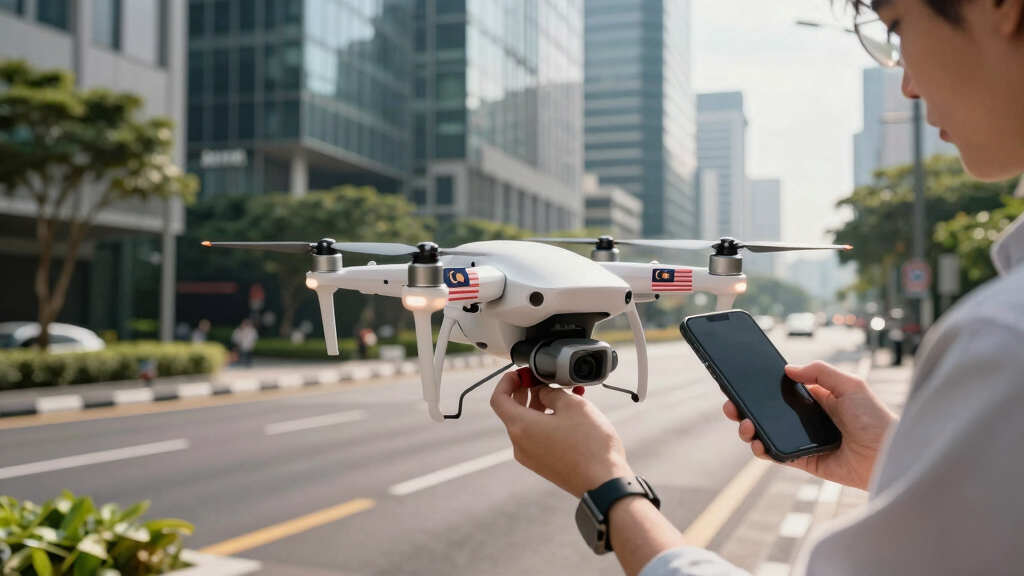
Malaysia is preparing to release a national roadmap for its commercial drone industry, with plans to introduce air taxi services by 2027. The initiative aims to position Malaysia as a regional leader in next-generation aviation technology.
Malaysia plans to publish a national roadmap for its commercial drone industry by the end of this year, which will include the introduction of air taxi services by 2027. The initiative is part of efforts to position the country as a regional hub for advanced aviation technologies.
The Malaysian government has announced its intention to develop a comprehensive plan for the commercial drone sector, with a focus on integrating air taxi services into the country’s transportation infrastructure. Transport Minister Anthony Loke stated at a forum on June 24 that the roadmap aims to support the deployment of drones for various commercial applications, including urban air mobility.
The plan is expected to outline regulatory frameworks, technological standards, and pilot programs to facilitate drone operations, with a targeted limited commercial launch of air taxi services in 2027. Officials aim to attract regional investment and foster innovation within the aviation sector.
While specific details of the roadmap remain under development, authorities have emphasized Malaysia’s ambition to become a key player in next-generation aviation, leveraging its strategic location and growing technological ecosystem.
Strategic Move to Establish Malaysia as a Regional Aviation Hub
This development is significant because it signals Malaysia’s intent to become a leader in emerging aviation technologies, particularly urban air mobility. Launching air taxi services could transform urban transportation, reduce congestion, and attract regional investment. The plan also aligns with broader trends toward autonomous and electric aircraft, positioning Malaysia at the forefront of this industry shift.

Drone with Camera for Adults, 2K HD FPV Drones with Upgrade Altitude Hold, One-Key Take Off/Landing, Speed Adjustment, Headless Mode, 2 Batteries, Toys Gifts for Teen Boys Girls, Beginner
- High-Quality 2K HD Camera: Adjustable angle for clear aerial shots
- Real-Time Video Sharing: Connect smartphone for live view and social sharing
- Easy One-Touch Controls: Start, land, and fly with simple buttons
As an affiliate, we earn on qualifying purchases.
As an affiliate, we earn on qualifying purchases.
Malaysia’s Growing Interest in Drone and Urban Air Mobility
Malaysia has been increasingly active in exploring drone technology, with authorities targeting a limited commercial drone market launch by 2027, according to Nikkei Asia. The government has hosted forums and announced plans to develop regulatory frameworks to support drone operations.
This move follows regional and global trends where countries are investing in urban air mobility solutions, including flying taxis, as a way to modernize transportation infrastructure. Malaysia’s strategic location and emerging tech sector make it a promising candidate for regional leadership in this field.
“Malaysia aims to position itself as a regional hub for next-generation aviation technologies, including urban air mobility and drone services.”
— an anonymous researcher

1957 Chevy Bel Air Taxi Die-cast Car Model, 1:24 Scale Collectible Classic Chevy Taxi Vehicle, Motormax 73228 All Star Toys Exclusive
- Licensed by Motormax: Officially licensed collectible
- Classic 1957 Chevy Design: Authentic Bel Air taxi replica
- Detailed Interior: Realistic dashboard and seating
As an affiliate, we earn on qualifying purchases.
As an affiliate, we earn on qualifying purchases.
Details of the Roadmap and Implementation Timeline Still Unclear
While the government has announced its intentions, specific details about the regulatory framework, funding, and pilot programs remain undisclosed. It is also unclear how quickly the country can develop the necessary infrastructure and technology to support commercial air taxi services by 2027.

Airdrop Drone with Camera, Drones GPS Auto Return Foldable for Adults
- Touch-Screen Controller: 5-inch HD touch-screen remote control
- Real-Time Video Feed: 2.7K HD FPV live transmission
- One-Key Payload Drop: Supports up to 1 lb payload
As an affiliate, we earn on qualifying purchases.
As an affiliate, we earn on qualifying purchases.
Expected Unveiling of the Official Drone Industry Roadmap by Year-End
The Malaysian government is expected to finalize and publish its national drone industry plan by the end of 2026. Following this, authorities will likely initiate pilot programs and seek regional partnerships to test and deploy air taxi services, with commercial launches anticipated in 2027.

DIY Drone Kit with Brushless Motor & Dual Camera – STEM Building Project with Optical Flow Hovering, 360° Flips, One-Click Controls for Beginners to Learn Drone Engineering
- DIY Drone with Optical Flow: Includes optical flow, video modules, brushless motors
- Educational STEM Project: Learn drone technology through hands-on assembly
- Advanced Flight Features: 360° flips, one-click takeoff/landing, headless mode, speed control, real-time video
As an affiliate, we earn on qualifying purchases.
As an affiliate, we earn on qualifying purchases.
Key Questions
What is Malaysia’s main goal with its drone industry plan?
Malaysia aims to develop a comprehensive framework to support commercial drone operations, including urban air mobility and air taxi services, to become a regional leader in next-generation aviation technologies.
When will air taxi services likely start in Malaysia?
The government has targeted a limited commercial launch of air taxi services by 2027, pending finalization of the roadmap and regulatory approvals.
What challenges does Malaysia face in implementing this plan?
Key challenges include establishing regulatory frameworks, developing necessary infrastructure, ensuring safety standards, and attracting investment for technology deployment.
How does this development compare to regional trends?
Several countries are investing in urban air mobility and drone technologies; Malaysia’s move to formalize its industry aligns with regional efforts to modernize transportation and attract innovation.
Will this impact Malaysia’s economy or job market?
Potentially, as the drone industry could create new business opportunities, jobs, and attract regional investments in technology and infrastructure sectors.
Source: Nikkei Asia
Back to school Picks
back to school
As an affiliate, we earn on qualifying purchases.