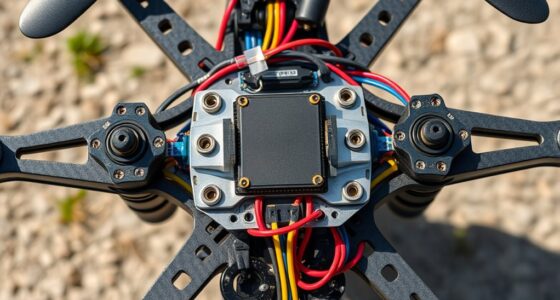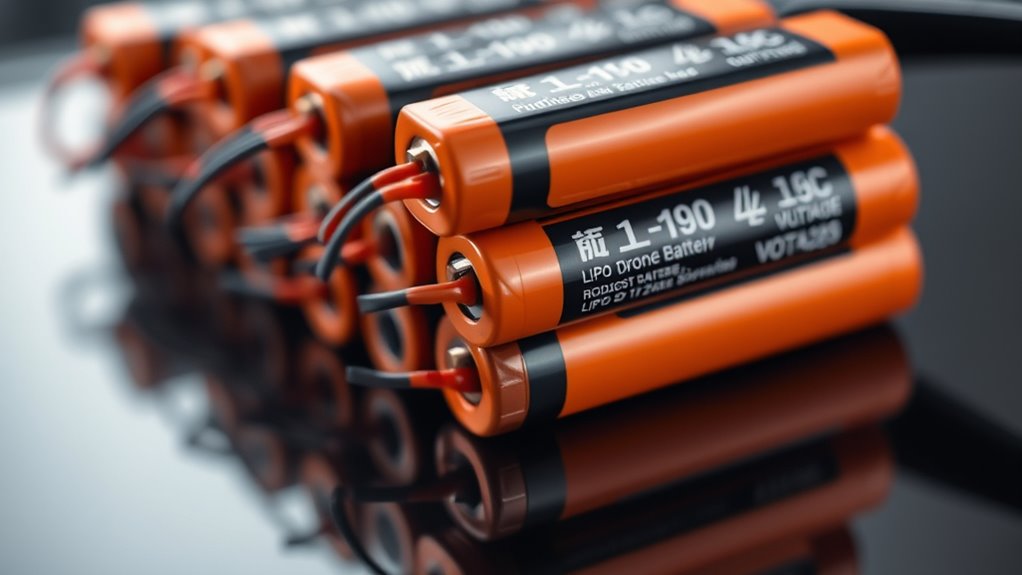

FPV drone batteries are mainly LiPo cells that store energy for your drone’s power needs. C-ratings tell you how much current the battery can safely deliver without damage or overheating, which is vital for maintaining performance and safety. Choosing the right C-rating helps prevent battery failures or accidents. To keep your drone flying safely and efficiently, it’s important to understand how these cells work and how to handle them properly — there’s more to learn if you keep exploring.

Get the latest gadgets delivered free — and shop member deals
- Fast, free delivery on millions of items
- Access to Prime Big Deal Days deals on October 6–7
- Prime Video, Amazon Music and more included
Key Takeaways
- LiPo cells are lightweight, high-energy batteries essential for powering FPV drones during races and freestyle flying.
- C-Ratings indicate the maximum safe discharge rate, ensuring the battery can supply sufficient power without damage.
- Proper matching of cell count (e.g., 2S, 4S) and C-Rating is crucial for drone safety and optimal performance.
- Overdrawing current beyond the C-Rating can cause overheating, swelling, or fires, highlighting the importance of correct C-Rating selection.
- Safe charging practices, including balanced charging and using appropriate chargers, extend battery life and prevent safety hazards.
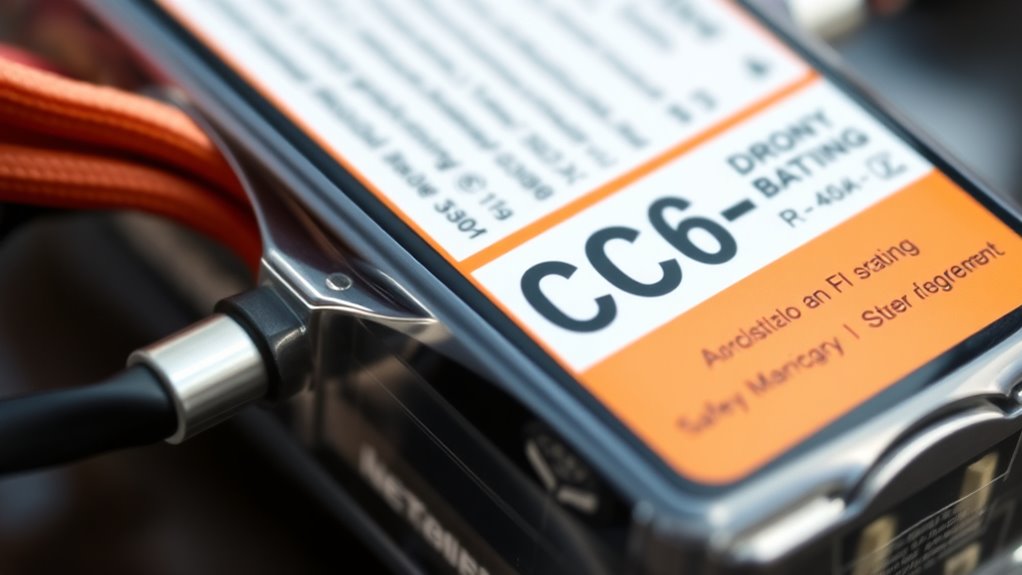
Have you ever wondered what powers your FPV drone and keeps it flying through those exhilarating races and freestyle tricks? It’s all about the batteries—specifically, LiPo cells that pack a punch in a small package. Understanding how these batteries work is essential for both performance and safety. When it comes to battery safety, knowing proper charging protocols is imperative to prevent accidents and prolong the life of your batteries. LiPo batteries are sensitive to mishandling; overcharging, over-discharging, or physical damage can lead to swelling, fire, or even explosions. That’s why you should always use a quality charger designed for LiPo cells and follow the manufacturer’s recommended charging procedures.
Charging protocols are more than just plugging in and waiting. You need to set your charger to the correct cell count—whether it’s a 2S, 4S, or higher—to match your battery. Never charge a battery without a fireproof container or in a safe, well-ventilated area. Always monitor the charging process and never leave batteries unattended. When charging, it’s best to use balanced charging, which ensures each cell within the pack is charged evenly, preventing overcharging of individual cells that could lead to damage. Additionally, avoid charging at higher currents than recommended; this can heat up the battery and compromise its integrity. Proper handling and understanding of C-Ratings help ensure you select a battery that meets your drone’s power demands without risking damage.
As an affiliate, we earn on qualifying purchases.
Frequently Asked Questions
How Do Temperature Changes Affect Lipo Battery Performance?
Temperature changes impact your LiPo battery performance by causing thermal expansion, which can lead to swelling or damage over time. When you experience temperature cycling—repeated heating and cooling—it accelerates battery degradation and reduces capacity. Cold temperatures might decrease power output, while excessive heat can cause unsafe conditions. To keep your battery safe and efficient, avoid extreme temperature fluctuations and store your batteries in a stable, cool environment.
Can I Mix Different Battery Brands in One Drone?
You shouldn’t mix different battery brands in your drone because it can cause compatibility issues and uneven power delivery. Always prioritize brand consistency to guarantee the batteries have similar specifications and performance characteristics. Mixing brands may lead to uneven discharge, reduced flight time, or even damage to your drone’s electronics. For maximum safety and performance, stick to the same brand and model, and regularly check battery ratings before use.
What Are Signs of a Failing Lipo Cell?
Imagine your drone’s battery as a ticking time bomb—signs of a failing LiPo cell include battery swelling and voltage irregularities, which are dead giveaways. You might notice it puffing up or losing power unexpectedly. These signs indicate the cell is compromised and could be dangerous. Always stop flying and safely dispose of the battery if you see swelling or inconsistent voltage, protecting your drone and yourself from potential hazards.
How Should I Dispose of Old Drone Batteries Safely?
You should dispose of old drone batteries safely by taking them to a certified battery recycling center to avoid environmental harm. Always discharge the battery completely before recycling, and never throw it in the trash. For fire safety, store damaged or swollen batteries in a fireproof container and handle them with care. Proper disposal guarantees potential fires and ensures responsible recycling of hazardous materials.
Are There Any Specific Storage Tips for Long-Term Battery Health?
Did you know that properly stored batteries can last up to 50% longer? To maximize battery longevity, follow essential storage tips like keeping your LiPo cells at around 3.8V per cell, in a cool, dry place, away from direct sunlight. Always store them in a fireproof container and avoid leaving them fully charged or completely discharged for long periods. Proper storage makes certain your batteries stay healthy and ready whenever you need them.
As an affiliate, we earn on qualifying purchases.
Conclusion
Now that you’ve got a grip on LiPo cells and C-ratings, you’re ready to power up like a pro. Remember, choosing the right battery is essential—think of it as fitting your drone with a trusty steed for the race. Keep an eye on voltage and discharge rates, and you’ll avoid the pitfalls of a battery reminiscent of a dusty, forgotten floppy disk. Fly smart, and your drone adventures will soar to new heights!
As an affiliate, we earn on qualifying purchases.
As an affiliate, we earn on qualifying purchases.
Fall Picks
fall essentials
As an affiliate, we earn on qualifying purchases.