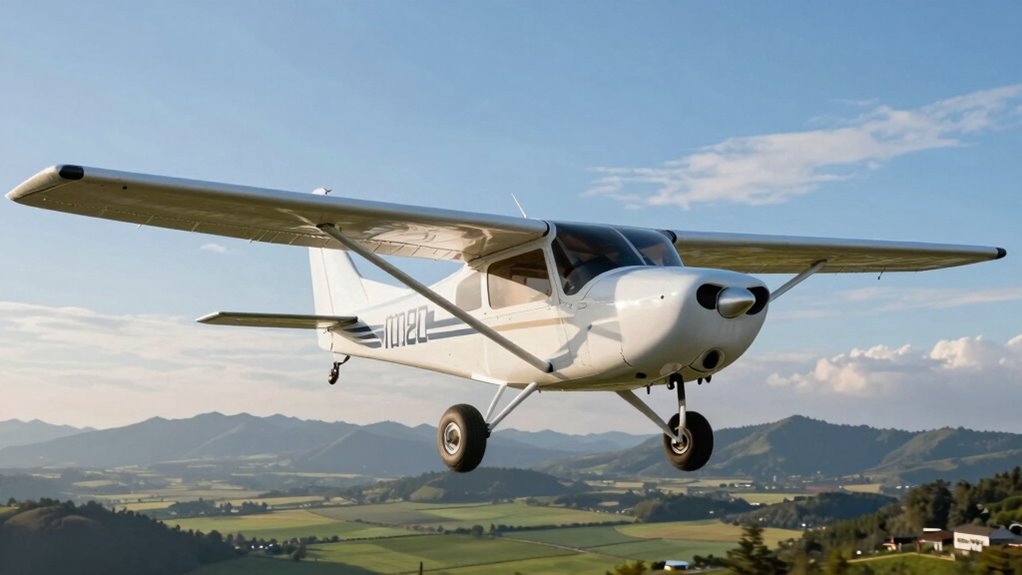
When you start feeling comfortable in the cockpit, it’s easy to let your guard down. Overconfidence can cause you to overlook critical safety checks, underestimate changing weather, or ignore signs of mechanical issues. This false sense of security might make you push through risky conditions or skip routine procedures. Staying vigilant is essential, even when everything seems under control. Keep paying attention to details—continuing this focus helps you understand why comfort can be a hidden danger.
Key Takeaways
- Overconfidence from comfort leads pilots to overlook safety checks and critical hazards.
- Complacency causes pilots to underestimate maintenance issues and skip essential pre-flight inspections.
- Feeling secure may result in ignoring unpredictable weather changes and pushing through marginal conditions.
- Habitual familiarity can reduce vigilance, increasing the risk of missing system failures or environmental warnings.
- Humility and constant vigilance are crucial, as comfort can diminish awareness of emerging dangers.
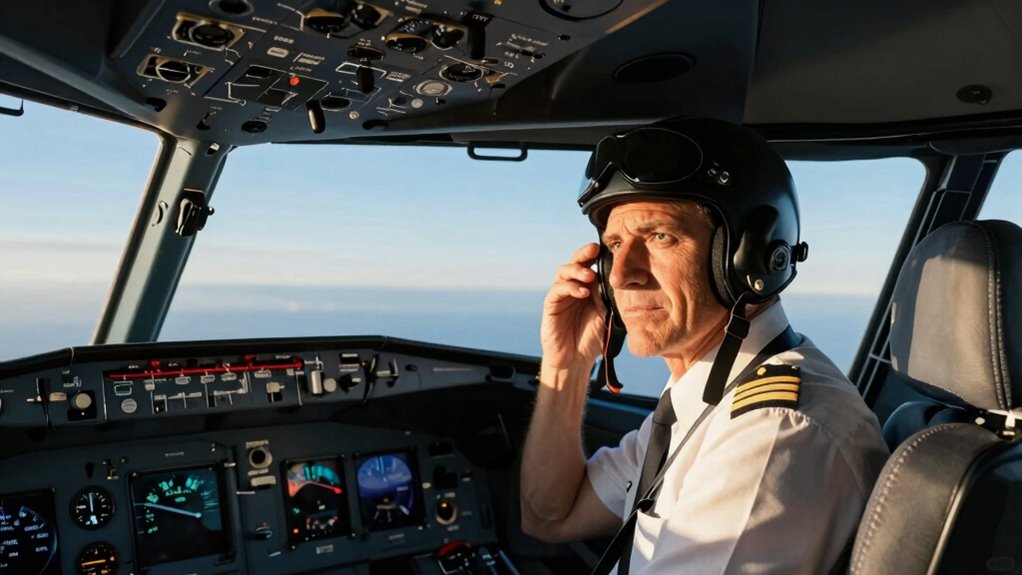
Many pilots experience a false sense of security once they’ve gained confidence in their skills, but this comfort can sometimes lead to risky decision-making. When you start feeling more comfortable flying, it’s easy to believe that nothing can go wrong. However, this overconfidence often causes you to overlook critical factors like aircraft maintenance and weather unpredictability. These elements can change rapidly and unexpectedly, catching even experienced pilots off guard. You might think the plane is in perfect condition or that the weather will hold, but assumptions like these can be dangerous.
Overconfidence can lead pilots to overlook vital safety checks and unpredictable weather changes. Stay vigilant.
Aircraft maintenance is a vital aspect of safe flying, yet it’s often underestimated once you feel more experienced. You might skip pre-flight checks or assume that the plane’s recent maintenance means everything is perfect. But aircraft systems can fail unexpectedly if they aren’t properly maintained. Overconfidence can lead you to cut corners or ignore warning signs, which increases the risk of mechanical issues mid-flight. Remember, even the smallest mechanical failure can escalate into a serious problem if not addressed promptly. Staying vigilant about aircraft maintenance isn’t just the responsibility of mechanics; as a pilot, you need to be aware of the aircraft’s condition and follow thorough pre-flight inspections. Additionally, understanding aircraft maintenance procedures can help you identify potential issues before takeoff. Recognizing that aircraft systems can be complex and prone to failure emphasizes the importance of continuous vigilance. Regularly reviewing maintenance protocols can help pilots stay informed and prepared. Developing a routine check for mechanical reliability can further enhance safety and prevent overlooked issues. Moreover, adopting a proactive approach to preventative maintenance can significantly reduce the chances of unexpected failures during flight.
Weather unpredictability is another major factor that catches pilots off guard, especially after they start feeling comfortable. You might think that just because the weather is clear when you take off, it will stay that way. But weather conditions can change suddenly—storm cells can develop quickly, wind patterns can shift, and visibility can deteriorate without warning. Your confidence might tempt you to push through marginal conditions, but doing so can be risky. Always check weather updates frequently and be prepared to alter your plans if conditions worsen. It’s essential to respect the weather, no matter how experienced you feel.
In the end, feeling comfortable should make you more confident, not complacent. Recognize that aircraft maintenance and weather unpredictability are ongoing challenges that require your constant attention. A false sense of security can blind you to these risks, increasing the likelihood of an accident shortly after you start feeling confident. Staying humble, vigilant, and prepared keeps you safer and helps you avoid the trap of overconfidence that so many pilots fall into. Remember, the best pilots are those who respect the limits and uncertainties of flying, regardless of how skilled they become.

Drone Daily Inspection Checklist: Pre and Post-Flight Inspection Report Book for Pilots and Operators | 120 Pages.
As an affiliate, we earn on qualifying purchases.
As an affiliate, we earn on qualifying purchases.
Frequently Asked Questions
How Can Pilots Maintain Safety During Routine Flights?
To maintain safety during routine flights, you should consistently perform risk evaluations and stay vigilant. Clear crew communication is essential; always share updates, concerns, and observations with your team. Avoid complacency by sticking to checklists and procedures, even when everything feels normal. Staying alert, openly communicating, and examining risks help you recognize potential issues early, ensuring safe flights and preventing accidents caused by overconfidence or complacency.
What Psychological Factors Contribute to Complacency in Pilots?
You might become complacent because your risk perception diminishes, making you underestimate dangers during routine flights. Cognitive biases, like overconfidence or familiarity bias, can trick you into believing that nothing will go wrong. This psychological shift can lead to lapses in alertness or adherence to safety protocols. Recognizing these factors helps you stay vigilant, ensuring you don’t fall into complacency just because things feel familiar or comfortable.
Are There Specific Training Methods to Prevent Overconfidence?
To prevent overconfidence traps, you should focus on training humility regularly. Incorporate scenario-based simulations that challenge your assumptions and highlight potential risks, reminding you that flying always has uncertainties. Continuous education on human factors and peer reviews can also keep your confidence in check. By actively recognizing your limits and staying humble, you reduce the risk of complacency and guarantee you’re prepared for unexpected situations.
How Does Fatigue Influence Pilot Decision-Making?
Fatigue greatly impacts your decision-making by reducing mental alertness and increasing cognitive overload. When you’re tired, you’re less able to process information quickly, which can lead to errors or delayed reactions. It hampers your judgment and concentration, making you more prone to mistakes. To stay safe, you must recognize signs of fatigue and take proactive steps, like resting adequately, to maintain sharp decision-making and ensure smooth, safe flights.
What Role Does Cockpit Automation Play in Accidents?
Cockpit automation can lead to accidents because automation complacency causes you to rely too much on systems, reducing your situational awareness. Trust erosion happens when you start doubting automation’s reliability, making you hesitant or overcorrecting. This balance is essential; overdependence dulls your skills, while distrust can delay vital actions. Staying vigilant and regularly monitoring automation helps you avoid these pitfalls and maintain safe flying practices.

Doppler Radar & Weather Observations
As an affiliate, we earn on qualifying purchases.
As an affiliate, we earn on qualifying purchases.
Conclusion
Just like Icarus, who soared too close to the sun, you might find that comfort can blind you to lurking dangers. When pilots settle into routine, complacency can sneak in, making them less alert to risks. Remember, even the most skilled can fall if they let their guard down. Staying vigilant keeps you grounded, no matter how smooth the flight feels. Embrace humility in your confidence; it’s the safest way to stay soaring high.

Pilot And Crew Alert Keychain EGPWS Warning Sound Simulator, Tiny Aviations Cockpit Safety Button Keychains (Blue)
Realistic Aviation Design: The pilot and crew alert keychain simulates the real cockpit safety button with four warning…
As an affiliate, we earn on qualifying purchases.
As an affiliate, we earn on qualifying purchases.

The Standard Aircraft Log: ASA-SA-2
As an affiliate, we earn on qualifying purchases.
As an affiliate, we earn on qualifying purchases.