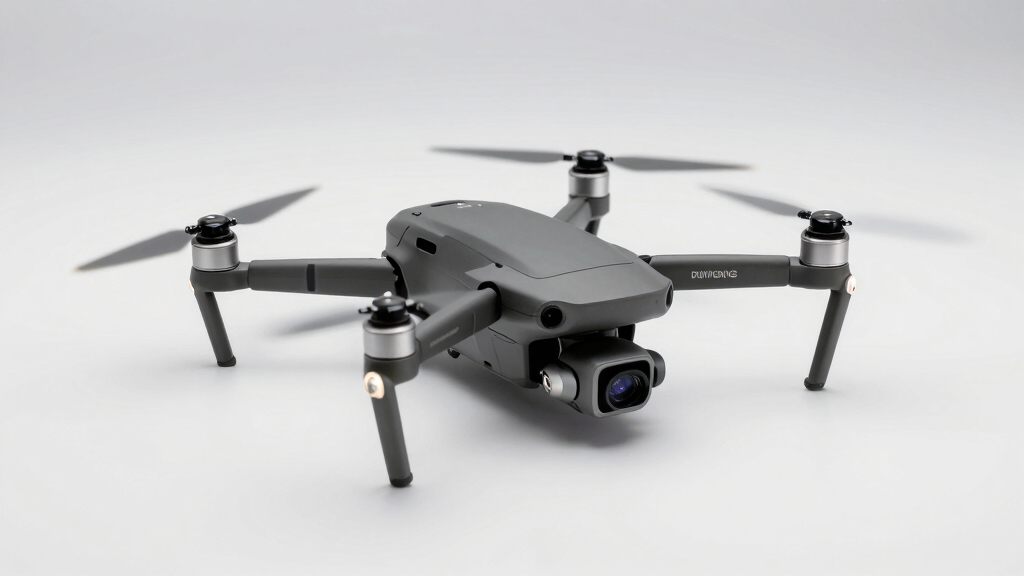

When it comes to inspecting large solar panel arrays, the right drone can save time and improve accuracy. The best overall pick is the Potensic ATOM 2 thanks to its 4K camera, extended flight time, and AI tracking, making it ideal for detailed inspections. For those on a tighter budget, the 2K FPV Drone with Camera for Beginners offers simplicity and affordability, though it lacks advanced features like GPS. The main tradeoffs in this category revolve around flight time, camera resolution, obstacle avoidance, and ease of use. Continue reading for a detailed breakdown of each option and how to pick the best drone for your solar inspection needs.
Key Takeaways
- Higher camera resolution (4K) significantly improves inspection detail but often comes with increased cost and weight.
- GPS features like auto return and waypoint navigation are essential for larger sites and reduce manual control fatigue.
- Obstacle avoidance can prevent crashes on complex or uneven terrain but may add to the drone’s cost and maintenance needs.
- Flight time remains a key factor for large-scale inspections, with premium models offering 45+ minutes per battery cycle.
- Ease of use and beginner features make a difference for smaller teams or less experienced operators.


More Details on Our Top Picks
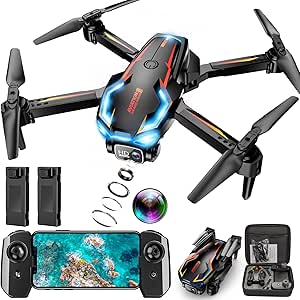
2K FPV Drone with Camera for Beginners – Includes 2 Batteries & Carry Case
This compact 2K HD FPV drone excels for those new to drone flying, especially when compared to bulkier options like the 4K GPS Foldable Drone. Its lightweight design and beginner-friendly features such as altitude hold and optical flow make it easy to control, while the adjustable camera angle adds versatility. The tradeoff lies in its limited camera resolution and shorter flight time, which may not satisfy hobbyists seeking professional-quality footage. It’s perfect for casual inspections of solar panels, where high resolution isn’t a priority. The included extras, like two batteries and a carry case, enhance portability and extended use, but the camera’s lower quality and basic flight modes mean it’s less suited for detailed, large-scale inspections.
Pros:- High-quality 2K HD camera with adjustable angle
- Long flight time with two batteries
- Compact, lightweight, and portable design
- Beginner-friendly features like altitude hold and one-key start
Cons:- Limited to basic, casual use — not ideal for detailed inspections
- Battery life could be longer for intensive tasks
- Camera quality may not satisfy professional standards
Best for: Beginners or casual inspectors who need a portable, easy-to-fly drone for basic solar panel checks
Not ideal for: Professional inspectors or users requiring high-resolution imagery and longer flight durations
- Camera:2K HD with 90° adjustable angle
- Flight Time:Approximately 26 minutes with 2 batteries
- Size:5 x 3 x 2 inches (folded)
- Weight:Under 250g
- Battery:Rechargeable, includes 2 batteries
- Features:Altitude Hold, Optical Flow Positioning, One-Key Start, Headless Mode
Bottom line: This drone is best suited for beginners needing a portable, easy-to-operate option for basic solar panel inspections.
Foldable Drone with 1080P Camera, Voice Control & Selfie Gestures for Beginners and Adults
Compared with the Drone with Camera for Adults, this foldable drone emphasizes ease of use and entertainment. Its 1080P adjustable camera and voice control make quick inspections and capturing images simple, especially for users who enjoy hands-free controls. The foldable design enhances portability, but the shorter flight time per battery—just 12 minutes—limits extended inspection sessions. The need for app calibration and permissions adds a layer of complexity, which might frustrate those expecting plug-and-play functionality. This drone makes sense for casual users or hobbyists inspecting smaller or less complex solar arrays where high resolution isn’t critical. For detailed or professional assessments, this model’s limited flight time and camera resolution could be a drawback.
Pros:- Easy to operate with voice control and gesture selfies
- Compact foldable design for portability
- Includes two rechargeable batteries for extended use
- Good for casual, quick inspections
Cons:- Flight time per battery is relatively short at 12 minutes
- Requires app calibration for stability
- Some features depend on app permissions and connectivity
Best for: Hobbyists or casual inspectors seeking an affordable, portable drone with fun features for quick solar panel checks
Not ideal for: Professional inspectors needing longer flight times and higher-resolution imagery
- Camera:1080P adjustable
- Flight Time:12 minutes per battery, up to 24 minutes total
- Control:Remote control and smartphone app
- Features:Voice control, gestures selfie, altitude hold, 3D flips
- Recommended Age:14 years and over
- Size:Foldable
Bottom line: This drone is ideal for casual users who prioritize fun and quick inspections over extended flight time or high-res imagery.
Drone with Camera for Adults – 2K HD FPV, Altitude Hold, One-Key Takeoff/Landing, Speed Adjustment, Headless Mode, 2 Batteries, Travel-Friendly
This model strikes a balance between ease of use and quality, offering a 2K HD camera with adjustable angles and convenient flight modes similar to the 2K FPV Drone for Beginners. Its long 26-minute flight time and lightweight, travel-friendly design make it appealing for outdoor solar inspections, especially when portability matters. It is less suitable for professional or high-detail inspections due to its casual feature set and the need for a smartphone for viewing. Compared to the 4K GPS Foldable Drone, it lacks GPS navigation and advanced autonomous features, but the simpler controls and shorter setup time make it more accessible for quick, on-the-go solar panel assessments.
Pros:- Long flight time with two batteries
- Travel-friendly and lightweight design
- Easy controls with altitude hold and one-key takeoff
- Decent 2K HD camera for quality images
Cons:- Limited to casual use — not suitable for professional-grade photography
- Battery life could be longer for extended inspections
- Requires smartphone for full functionality
Best for: Travelers or casual inspectors who want a lightweight drone with decent camera quality for moderate solar panel checks
Not ideal for: Users needing GPS-based flight features or detailed, high-resolution imagery for professional inspections
- Camera:2K HD
- Flight Time:Approximately 26 minutes with 2 batteries
- Size:Compact, travel-friendly
- Weight:Under 250g
- Features:Altitude Hold, One-Key Takeoff, Headless Mode
- Connectivity:Wi-Fi, Smartphone app
Bottom line: This drone makes sense for users seeking a portable, easy-to-fly camera drone for routine solar inspections on the go.
Drone with 1080P Camera for Beginners, Remote Control Quadcopter with Gestures Selfie, Altitude Hold, One Key Start, 3D Flips, 2 Batteries
Compared with the Foldable Drone with 1080P Camera, this model offers more control options and flight modes, appealing to hobbyists who want slightly more engaging flying experiences. Its 1080P camera, combined with features like gesture selfies and 3D flips, makes it fun for casual inspection tasks, but it doesn’t match the stability or flight time of more advanced models like the 4K GPS Foldable Drone. The 2 batteries provide decent runtime, yet short overall flight durations limit prolonged inspection sessions. Its simple app and gesture controls are user-friendly but may challenge complete beginners initially. This drone suits casual or hobbyist solar inspections where quick, straightforward captures are sufficient, but it’s not designed for detailed or professional assessments.
Pros:- Includes two batteries for longer flying sessions
- Features gesture selfie and 3D flips for fun operation
- Lightweight and portable design
- Decent 1080P camera for capturing clear images
Cons:- Limited flight time per charge, around 15-20 minutes
- Some controls may be tricky for absolute beginners
- Basic features may not satisfy professional inspection needs
Best for: Hobbyists or new pilots who want a playful, lightweight drone for casual solar panel checks
Not ideal for: Professional inspectors or users requiring extended flight times and high-resolution imagery
- Camera:1080P HD
- Flight Time:15-20 minutes per battery
- Control:Remote + gesture control
- Features:Altitude hold, 3D flips, gesture selfie
- Batteries Included:2
- Design:Lightweight, portable
Bottom line: This drone is best for hobbyists looking for an affordable, engaging tool for casual solar panel inspections.
4K GPS Foldable Drone with Camera for Adults, Auto Return, Waypoint Flight, Orbit, Gesture Control, Brushless Motor, 48-Min Flight, 249g
This high-end drone stands out with a 4K UHD camera, GPS navigation, and autonomous flight modes like waypoint and orbit, directly competing with the GPS Drone with 4K Camera. Its 48-minute flight time is unmatched, making it ideal for extended inspections of large solar arrays. The GPS features such as auto return, follow-me, and waypoint flight significantly reduce manual piloting, especially for complex or hard-to-reach panels. However, the remote control isn’t included with the package, and the app setup can be complex for less experienced users. This model offers the most professional capabilities in this roundup, but its higher price and setup complexity mean it’s better suited for serious inspectors who need detailed, long-duration captures rather than casual checks.
Pros:- Exceptional 4K UHD camera with adjustable lens
- Longest flight time at 48 minutes
- Advanced GPS features including auto return and waypoint flight
- Lightweight and foldable design for portability
Cons:- Remote control not included, requiring additional purchase
- App setup can be complex for beginners
- Higher cost than other models in this list
Best for: Professional inspectors or serious hobbyists needing high-res, autonomous flight features for large-scale solar inspections
Not ideal for: Casual users or those new to drones who require simpler, plug-and-play options
- Video Capture Resolution:2.7K (note: original states 4K UHD, but specs specify 2.7K)
- Still Resolution:12.3 MP
- Flight Time:Up to 48 minutes
- Connectivity:Wi-Fi, app control
- Weight:249g
- Features:GPS Auto Return, Waypoint Flight, Orbit, Gesture Control
Bottom line: This drone suits professionals seeking extended, high-res inspections with autonomous flight capabilities, despite higher complexity and cost.
Potensic ATOM 2 Drone with 4K Video and 48MP Photos, Under 249g, 3-Axis Gimbal, 10KM Range, AI Tracking, QuickShots, Fly More Combo
The Potensic ATOM 2 stands out for combining professional-grade 4K HDR video with 48MP stills, thanks to its 1/2” Sony CMOS sensor. Its long control range of 10 km makes it ideal for covering large solar installations, surpassing many competitors like the foldable models with shorter ranges. The lightweight under 249g design eliminates FAA registration concerns, while AI tracking and smart flight modes add operational flexibility. However, its battery life, capped at around 96 minutes with three batteries, can limit extended inspections, and its advanced features may challenge complete beginners. This drone is best suited for professional inspectors or enthusiasts seeking high-res imaging with extensive coverage, willing to manage a slightly steeper learning curve.
Pros:- Exceptional 4K HDR video quality with 48MP photos
- 10 km control range for wide-area inspections
- Lightweight design avoids FAA registration
Cons:- Battery life may not suffice for very long inspection sessions
- Complex features might overwhelm first-time users
Best for: Professional solar inspectors needing detailed visuals over large areas
Not ideal for: Beginners or casual users looking for simple, quick setups
- Video Resolution:4K/30fps HDR
- Photo Resolution:48 MP
- Sensor:1/2” Sony CMOS
- Gimbal:3-axis
- Transmission Range:10 km
- Battery Capacity:5200 mAh
- Battery Life:96 minutes (with 3 batteries)
- Weight:Under 249g
- Connectivity:Wi-Fi, RF Control
Bottom line: This drone offers professional-grade imaging and long-range capabilities for serious solar panel inspections.
Drone with Camera – RC Quadcopter for Kids & Adults, with One Key Takeoff/Landing, Altitude Hold, Headless Mode, 3D Flip & Trajectory Flight, 3-Speed, 2 Batteries & Carrying Case
This quadcopter excels in offering a blend of stability and user-friendly features, such as optical flow positioning and multiple flight modes, making it accessible for both beginners and casual users. Its 30-minute flight time with two batteries surpasses many lightweight models like the foldable drones, allowing more time to capture solar panels from different angles. While the controls via remote and smartphone app provide versatility, the need to switch between app and remote for photo capture can introduce some complexity, especially for new users. The drone’s safety features, like propeller guards, help prevent accidents during close inspections, but advanced features may be less useful for those solely focused on high-quality imagery. This model is best for hobbyists or teams needing reliable stability and decent flight duration without extensive technical demands.
Pros:- Stable and smooth flight with optical flow positioning
- Long flight time of 30 minutes with two batteries
- Versatile control options via remote and app
Cons:- Requires app connection for full photo/video functions
- Some features may be confusing for inexperienced users
Best for: Hobbyists or small inspection teams seeking stable, easy-to-fly drone with decent flight time
Not ideal for: Complete beginners who prefer minimal setup or those needing high-res imaging
- Motor:Brushless
- Flight Time:30 minutes (with two batteries)
- Control:Remote and smartphone app
- Features:One key takeoff/landing, altitude hold, headless mode
- Safety:Propeller guards
- Connectivity:WiFi ‘Flow-xxxxx’ and ‘KY UFO’ app
Bottom line: This drone offers a good balance of stability and flight time for casual and hobbyist solar inspections.
Foldable Drone with 1080P HD Camera, 2 Batteries, Carrying Case, and Multiple Flight Functions
The Foldable Drone with 1080P HD Camera offers solid image quality for those new to solar panel inspections, with an adjustable camera up to 90 degrees. Its compact, foldable design makes it ideal for quick deployments and on-the-go inspections, especially compared to bulkier models. The drone’s longer flight time of around 28 minutes with two batteries allows for broader coverage in a single outing. While its features, like trajectory flight and gesture control, are accessible, some advanced functions require app control, which can be a hurdle for absolute beginners. The absence of automatic follow modes limits continuous tracking of moving panels. This pick is suitable for casual inspectors or hobbyists who prioritize portability and straightforward operation over advanced automation.
Pros:- High-quality 1080P adjustable camera
- Foldable and highly portable design
- Long flight time with 2 batteries
Cons:- Advanced features depend on app control
- Limited automatic follow capabilities
Best for: Users needing a portable, easy-to-operate drone for basic solar checks
Not ideal for: Professional inspectors requiring automatic follow or high-res imagery
- Camera:1080P HD, adjustable
- Battery Life:25-28 minutes
- Flight Modes:Trajectory, gravity control, 3D flip
- Connectivity:App control via ‘ODDIRE GO’
- Additional Features:Optical flow, gesture photo
- Included Accessories:Carrying case, 2 batteries
Bottom line: This compact drone balances ease of use and portability, perfect for light solar inspections and outdoor adventures.
KY102 Drone with Screen Controller, Brushless Motor, Optical Flow, Obstacle Avoidance, 2 Batteries
The KY102 Drone emphasizes safety and advanced flying features, featuring obstacle avoidance and optical flow navigation, which are invaluable during close-up solar panel inspections. Its screen controller with live HD video streaming makes real-time assessment straightforward, especially compared to models like the Potensic ATOM 2 that rely solely on remote or app controls. The two batteries extend flight time, and active obstacle avoidance helps prevent crashes, making it suitable for complex environments. However, the drone’s more technical interface could be daunting for complete beginners, and its limited color options might not appeal to all users. This drone excels when safety and precise navigation are priorities, but it demands some familiarity with advanced controls. Ideal for experienced inspectors or those seeking safer, more controlled flights in challenging terrain.
Pros:- Obstacle avoidance for safer flights
- Live HD video with screen controller
- Extended flight time with 2 batteries
Cons:- Can be complex for users unfamiliar with advanced controls
- Limited aesthetic options
Best for: Experienced pilots or teams needing obstacle avoidance and precise control
Not ideal for: Total beginners or casual users seeking simple, straightforward operation
- Battery:2 batteries
- Motor:Brushless
- Navigation:Optical flow, waypoint fly
- Features:Obstacle avoidance, one key takeoff/landing
- Controller:Screen with live HD video
- Color:Black
Bottom line: This drone provides enhanced safety and navigation features suited for skilled pilots focusing on precise solar panel inspections.
Camera Drone with 4K Camera, Obstacle Avoidance, Foldable Design, and Beginner-Friendly Controls
The Camera Drone with 4K Camera combines high-quality imaging with user-friendly controls, making it an excellent choice for those starting out or conducting quick inspections of solar panels. Its foldable design enhances portability, and obstacle avoidance adds a layer of safety during close-up flights. The motorized camera adjustment up to 148° enables versatile angles for detailed inspections. While the drone’s flight time is limited to around 25-28 minutes per battery, the modular batteries allow quick swaps for extended sessions. Some of its advanced features, like intelligent flight modes, may require a learning curve, and the overall price can be higher than simpler models. This drone is best for hobbyists and entry-level inspectors who want reliable, high-res imaging without complex setup. Ideal for beginners seeking a portable, capable drone for solar panel assessments.
Pros:- High-quality 4K camera with adjustable angles
- Obstacle avoidance for safer flights
- Foldable and portable for easy transport
Cons:- Limited flight time per battery
- Some features require learning and setup
Best for: Beginners or casual inspectors needing high-quality 4K footage with easy controls
Not ideal for: Advanced users requiring extensive automation or longer flight durations
- Camera Resolution:4K
- Obstacle Avoidance:Yes
- Foldable:Yes
- Battery:Modular, replaceable
- Camera Angles:Up to 148° motorized
- Flight Time:25-28 minutes
- Control Modes:Headless, one-key takeoff/land
- Optical Flow:Yes
Bottom line: This drone offers a compelling mix of high-res imaging and ease of use for newcomers to solar inspections.
Holy Stone FAA Compliant Remote ID Module for Drone with Strobe Light and GPS Tracker
This Remote ID module stands out for its easy integration with popular drone models like the Mavic 3 and Phantom 4, making it a vital addition for those conducting solar panel inspections in regulated airspace. Compared with dedicated drone cameras, this enhances safety and legality but adds bulk and complexity to the setup. Its 4-hour battery life, waterproof design, and bright, customizable strobes improve visibility during long outdoor inspections, especially in low-light conditions. However, the need for an app for customization and the inability to replace the battery limit flexibility, and its compatibility is restricted to specific models. Overall, this module makes the most sense for operators who prioritize compliance and visibility, even if they need to manage extra installation steps.
Pros:- FAA compliant for legal drone operation
- Long-lasting 4-hour battery with quick 1-hour charge
- Easy to install with multiple mounting options
- Bright, customizable strobe lights for enhanced visibility
Cons:- Limited to certain drone models, restricting versatility
- Requires app for customization and GPS tracking
Best for: Professional inspectors and operators who need to stay compliant with FAA regulations and improve drone visibility during extended outdoor solar inspections.
Not ideal for: Casual hobbyists or those flying smaller, non-compatible drones who won’t benefit from the added FAA compliance features.
- Compatibility:Mavic 3, Mini 4 Pro, Phantom 4, ATOM 3-Axis, HS720 series, FPV drones, 20+ models
- Battery Life:Up to 4 hours
- Charging Time:60 minutes
- Weight:16g
- Waterproof Rating:IP54
- Lighting Modes:Green flash, red-green-white alternating, customizable patterns
Bottom line: This module is best suited for professional users needing reliable FAA compliance and enhanced visibility during solar panel inspections, despite limited compatibility.
GPS Drone with Camera, 2K HD, Foldable FPV Drone with GPS Auto Return, Follow Me, Circle Fly, Waypoint Fly, 5G Transmission, Gestures Selfie, Brushless Motor, 2 Batteries, Black
Compared with the 4K-focused GPS Drone with 4K Camera (B0FF4M8CLW), this 2K HD model offers a more affordable and lightweight solution for solar inspections where ultra-high resolution isn’t critical. Its foldable design and 32-minute flight time per battery make it easy to carry and operate over large solar farms. While it lacks the ultimate detail of a 4K camera, its GPS auto return, follow me, and waypoint modes provide stable, automated flight paths that reduce operator workload and improve inspection coverage. The need to calibrate for stability and the limited micro SD capacity might frustrate users demanding effortless setup and extensive data storage. This pick makes the most sense for inspectors seeking reliable, high-quality footage without the premium price tag, especially in outdoor environments where portability and flight time matter most.
Pros:- High-quality 2K HD camera with adjustable angle
- Advanced GPS features including auto return and follow me
- Long flight time of up to 32 minutes with two batteries
- Foldable, lightweight design for portability
Cons:- Requires calibration for optimal stability
- Limited micro SD capacity (up to 64GB)
- Setup and calibration can be complex for beginners
Best for: Field technicians and inspectors who prioritize ease of use, portability, and decent image quality for routine solar panel assessments.
Not ideal for: Users requiring ultra-detailed imagery or extensive onboard storage, or those preferring indoor or complex environments where calibration becomes cumbersome.
- Video Capture Resolution:2048×1088 pixels
- Still Image Resolution:2.1 MP
- Connectivity Technology:Wi-Fi
- Remote Control Technology:Wi-Fi
- Battery Type:Lithium Ion
- Batteries Included:Yes
- Weight:Under 249g
- Special Features:2K Camera, 5G Transmission, GPS Auto Return, Follow Me, Circle Fly
Bottom line: This drone offers a balanced mix of portability, stable flight, and decent imaging, making it ideal for routine solar inspections where high resolution isn’t essential.
GPS Drone with 4K Camera, FPV RC Quadcopter, 90-Minute Flight, Auto Return, GPS Follow, Circle Fly, 5-inch LCD Screen, Brushless Motor, Foldable for Beginners
This model excels when image quality and extended flight time are priorities, especially compared to the 2K drone by B0FCYGYJ2Z. Its 4K camera, combined with GPS stabilization and a 90-minute flight capacity, makes it a robust choice for detailed solar panel inspections. The built-in 5-inch FPV screen simplifies real-time monitoring, and its ease of use suits beginners who want high-quality footage without complicated controls. The main tradeoff is its weight at 238g, which approaches the regulatory limit in some regions, and its reliance on outdoor GPS signals—indoor use or areas with signal interference may limit performance. This drone is ideal for users seeking superior resolution and extensive flight time, even if it requires calibration and careful handling.
Pros:- High-quality 4K adjustable camera
- Longest flight time of up to 90 minutes with multiple batteries
- User-friendly with one-key takeoff/landing
- Built-in 5-inch FPV display for instant viewing
Cons:- Requires calibration and lens removal before flying
- Indoor GPS signals are unreliable
- Slightly heavier, approaching regional weight limits
Best for: Outdoor inspectors and professionals demanding high-resolution imagery and long, stable flights for detailed solar panel assessments.
Not ideal for: Indoor users or those operating in GPS-degraded environments, where calibration and signal reliability could be problematic.
- Camera:4K adjustable HD
- Flight Time:up to 90 minutes
- Battery:3 x 7.4V 2700mAh
- Max Altitude:800 ft
- Control Range:5,000 ft
- Weight:238g
- Display:5-inch HD LCD
- Motor:Brushless
Bottom line: This drone delivers exceptional resolution and flight endurance, best suited for professional inspections demanding detailed imagery and extended coverage.
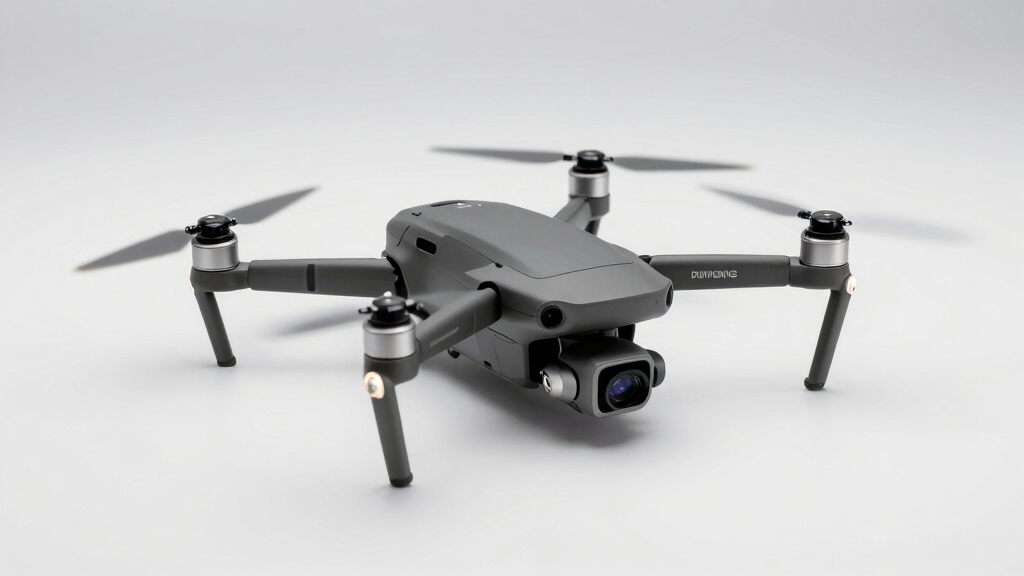
How We Picked
The drones in this roundup were selected based on their suitability for solar panel inspections, prioritizing camera quality, flight endurance, stability, and intelligent flight features like GPS and obstacle avoidance. We also considered user-friendliness for operators who may not be professional drone pilots, as well as value for money. Drones with rugged build quality and reliable connectivity scored higher, given the demanding environments of solar farms. Ultimately, the ranking reflects a balance between professional-grade features and accessibility for different types of users.Factors to Consider When Choosing Best Drones For Solar Panel Inspections
Choosing the best drone for solar panel inspections involves several key considerations beyond just camera specs. The right drone depends on your specific site size, budget, and operational needs. Here are the main factors to evaluate:Camera Quality and Resolution
High-resolution cameras, such as 4K or 2K, enable detailed imaging essential for spotting micro-cracks or dirt buildup on panels. However, higher resolution often means increased weight and cost. Consider whether your inspection requires ultra-detailed images or if a 1080P camera will suffice for your needs. Remember that image quality impacts your ability to accurately identify issues during remote assessments.
Flight Time and Battery Life
Extended flight time reduces the number of battery swaps needed during inspections, saving time and effort. For large solar farms, look for drones offering 30+ minutes of flight per battery cycle. Keep in mind that real-world flight times may vary based on wind, payload, and operating conditions. Investing in multiple batteries or quick-charging options can further enhance operational efficiency.
Navigation and Obstacle Avoidance
Autonomous features like GPS waypoint flight, auto return, and obstacle avoidance increase safety and reduce the need for manual control. These are particularly valuable for inspecting hard-to-reach or hazardous areas. However, such features can add to the drone’s price and complexity. For smaller or simpler sites, manual control might be sufficient, but larger arrays benefit from more advanced navigation systems.
Build Quality and Reliability
Durable construction, weather resistance, and stable flight performance are vital for outdoor solar inspections. A drone that can withstand wind or light rain minimizes delays and equipment damage. Reliability also depends on manufacturer support and software stability. Investing in a well-built drone can reduce long-term maintenance costs and downtime.
Ease of Use and Training
If you or your team are new to drone operation, choosing models with simplified controls, beginner modes, and clear app interfaces can shorten learning curves. Conversely, advanced pilots might prefer customizable flight options and manual controls. Balancing ease of use with required features will help you operate safely and efficiently, especially in busy or complex environments.
Frequently Asked Questions
How important is camera resolution for solar panel inspections?
Camera resolution directly impacts the clarity of images captured during inspections. Higher resolutions like 4K allow for detailed analysis, revealing micro-cracks or dirt that lower-res cameras might miss. However, increased resolution can mean added weight and higher costs, so consider your specific inspection needs and whether ultra-high detail is necessary for your operations.
What flight time should I look for in a drone for large solar farms?
For inspecting large-scale solar arrays, a drone with at least 30 to 45 minutes of flight time per battery is ideal. Longer flight times minimize the number of battery swaps and enable comprehensive coverage in fewer passes. Keep in mind that actual flight duration depends on payload, wind, and operational conditions, so plan accordingly and consider models with multiple batteries.
Are obstacle avoidance features worth the extra cost?
Obstacle avoidance adds a significant safety layer, especially when navigating around complex panel arrangements or uneven terrain. These features reduce the risk of crashes, which can be costly and delay inspections. While they do increase the drone’s price, the time saved and damage prevention often justify the investment, particularly for regular or large-scale inspections.
Can a beginner safely operate a drone for solar inspections?
Yes, but choosing a drone with user-friendly controls, beginner modes, and good stability can make a big difference. Such models often include features like altitude hold, one-key takeoff, and simplified app interfaces, which help new operators maintain control and avoid accidents. Proper training and practice are still recommended to maximize safety and efficiency.
How much should I expect to spend on a drone suitable for professional solar inspections?
Professional-grade drones with high-resolution cameras, long flight times, and autonomous features typically range from $1,000 to $3,000 or more. Budget options under $1,000 might suffice for small or casual inspections but often lack durability, advanced features, or the flight endurance needed for large sites. Investing in a higher-end model can improve inspection quality and operational reliability over time.
Conclusion
The best overall drone for solar inspections, the Potensic ATOM 2, offers a great balance of camera quality, flight time, and autonomous features suitable for most professional needs. For those prioritizing affordability without sacrificing essential features, the 2K FPV Drone with Camera for Beginners fits well. If you require the highest detail and longest flights, the GPS Drone with 4K Camera stands out as a premium choice. Beginners or small teams should lean toward models with simple controls, while larger operations benefit from advanced navigation and obstacle avoidance. Match your choice to your site size, budget, and experience to get the best results.