Before every flight, quickly assess weather conditions for storms or strong winds, and guarantee your aircraft is well-maintained and fueled. Confirm you’re rested and focused, reviewing your flight plan for restrictions and hazards. Check external factors like traffic and airport conditions, and stay aware of potential hazards in the environment. By systematically reviewing these areas, you can make confident, safety-driven decisions. Keep exploring for more tips to master this rapid risk assessment process.
Open a free Amazon Business account
Business pricing, bulk buying and tax-exempt orders.
As an affiliate, we earn on qualifying purchases.
Key Takeaways
- Quickly review current weather conditions and alerts to identify potential hazards.
- Confirm aircraft maintenance is up-to-date and pre-flight inspections are complete.
- Assess your mental state and readiness, postponing if unwell or distracted.
- Evaluate external factors like airspace congestion and airport conditions.
- Identify and mitigate risks by considering all environmental and operational variables.
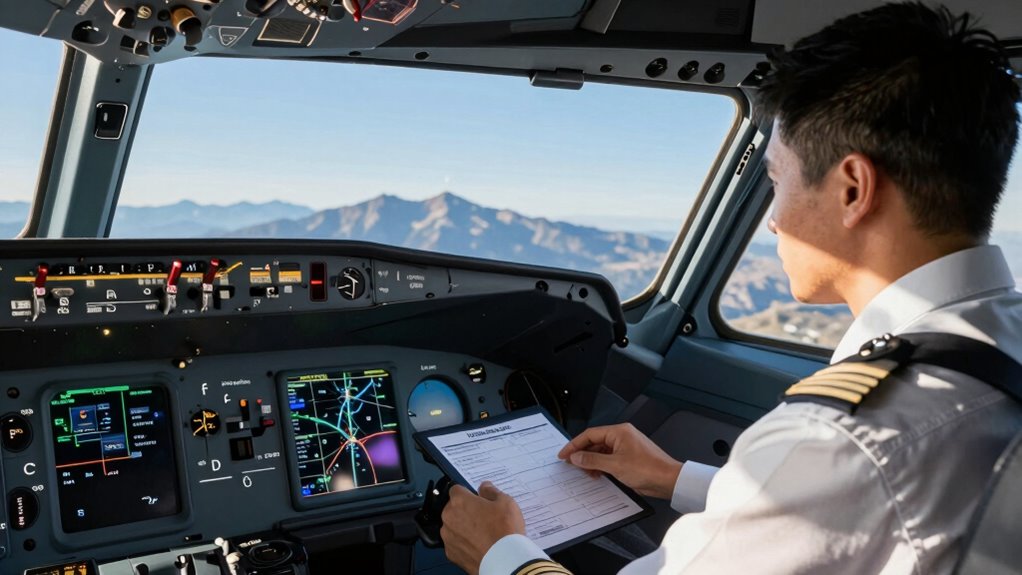
Before every flight, taking a moment to think through the risks can make all the difference in promoting a safe journey. A quick mental review of potential hazards helps you stay alert and prepared, reinforcing your commitment to aviation safety. In just a few seconds, you can evaluate the key factors that influence safety, making risk assessment an indispensable part of your pre-flight routine. Start by checking the weather conditions. If there’s a storm or strong wind, you might need to delay or adjust your plans. Weather plays a fundamental role in aviation safety, so being aware of current forecasts and updates helps you anticipate challenges before they become problems.
Next, consider your aircraft’s condition. Confirm that all maintenance is up to date and that your pre-flight inspection was thorough. A well-maintained aircraft reduces the chance of mechanical failure, which is a major risk factor in aviation. Pay attention to fuel levels, control surfaces, and tire condition. If anything seems off, it’s better to delay or consult a technician rather than push forward with uncertainties. This risk assessment step is essential for preventing accidents caused by overlooked mechanical issues.
Evaluate your own readiness as a pilot. Are you rested and focused? Fatigue can impair judgment and reaction time, increasing risk during flight. Make sure you’re mentally prepared, and if you’re feeling unwell or distracted, consider postponing your flight. Also, review your flight plan and ensure you’re aware of any airspace restrictions, NOTAMs, or temporary flight restrictions that might affect your route. Staying informed about air traffic control notices and potential hazards helps you avoid unforeseen complications. Additionally, considering smart home technology in your planning can help monitor weather updates and aircraft conditions remotely, adding an extra layer of safety. Being aware of airspace restrictions and how they impact your route is also crucial for avoiding violations and ensuring compliance. It’s also helpful to familiarize yourself with aircraft limitations to prevent overestimating your capabilities during flight. Recognizing potential hazards in your environment can further enhance your ability to respond effectively during unexpected situations.
Finally, assess external factors like traffic and airport conditions. Busy airspace or congested airports demand heightened awareness and precise communication to prevent conflicts. If you notice that conditions are more crowded or complex than usual, it’s wise to adjust your plans or delay your flight until it’s safer. Risk management is a critical aspect of aviation safety, and developing this habit allows you to respond effectively to dynamic situations. By quickly evaluating these elements, you’re actively managing risk and enhancing aviation safety for yourself and others.
In essence, a swift, mindful risk assessment before each flight keeps safety at the forefront. It’s a habit that transforms your approach from reactive to proactive, minimizing hazards and guaranteeing your journey is as secure as possible. In just 60 seconds, you can confirm that you’re aware of potential risks and prepared to handle them, making every flight safer and more confident.
As an affiliate, we earn on qualifying purchases.
Frequently Asked Questions
How Can I Quickly Assess Weather Risks Before Flying?
You can quickly assess weather risks before flying by checking current weather patterns and forecasts for your route and destination. Focus on visibility assessment by examining reports for fog, rain, or snow that could impair your sight. Use reliable weather apps or aviation weather services for real-time updates. Always consider wind speeds and potential storms, and if conditions seem risky, postpone your flight or adjust your plan accordingly.
What Are Common Pilot Errors That Increase Risk?
You might overlook crew communication, which can lead to misunderstandings and increase risk. A common pilot error is overconfidence, causing you to underestimate weather or mechanical issues. Failing to maintain risk awareness can result in rushing decisions or skipping safety checks. To avoid these errors, stay vigilant, communicate clearly with your crew, and continuously evaluate risks throughout the flight. This proactive mindset helps prevent mistakes and keeps everyone safer.
How Does Aircraft Maintenance Impact Flight Safety?
Aircraft maintenance directly impacts your flight safety. You need to perform thorough aircraft inspections before each flight to identify potential issues. Adhering to strict maintenance schedules guarantees all parts function correctly and reduces the risk of mechanical failure. Regular checks help catch problems early, allowing you to address them promptly. By prioritizing proper maintenance, you minimize hazards and ensure a safer, more reliable flight experience every time.
What Safety Gear Should I Always Carry?
You should always carry personal protective gear like a helmet, gloves, and eye protection, especially if flying in rough conditions. Additionally, pack emergency supplies such as a first aid kit, flashlight, and a multi-tool. These essentials guarantee you’re prepared for unexpected situations, helping protect you and increase safety during your flight. Being equipped with the right gear can make all the difference if an emergency arises.
How Do I Handle Unexpected Emergencies Mid-Flight?
When unexpected emergencies happen mid-flight, you should follow your emergency protocols and stay calm. Use clear communication strategies to inform your co-pilot or crew immediately, and follow established procedures for the specific situation. Keep your focus on managing the emergency safely, and don’t hesitate to rely on your training. Staying composed and communicating effectively are key to handling the situation efficiently and ensuring everyone’s safety.
aircraft pre-flight inspection kit
As an affiliate, we earn on qualifying purchases.
As an affiliate, we earn on qualifying purchases.
Conclusion
Remember, every flight is like crossing a busy street—you wouldn’t step out without checking for cars first. Just as a quick glance can prevent a stumble, taking a moment to assess risks before flying keeps you safe. Even seasoned pilots review their checklists; it’s a habit that saves lives. So, before you take off, pause, evaluate, and trust your instincts. A moment of caution today can turn into a story of safety tomorrow.
As an affiliate, we earn on qualifying purchases.
aviation NOTAM and flight planning tools
As an affiliate, we earn on qualifying purchases.
As an affiliate, we earn on qualifying purchases.
Flea & tick season Picks
flea and tick prevention
As an affiliate, we earn on qualifying purchases.