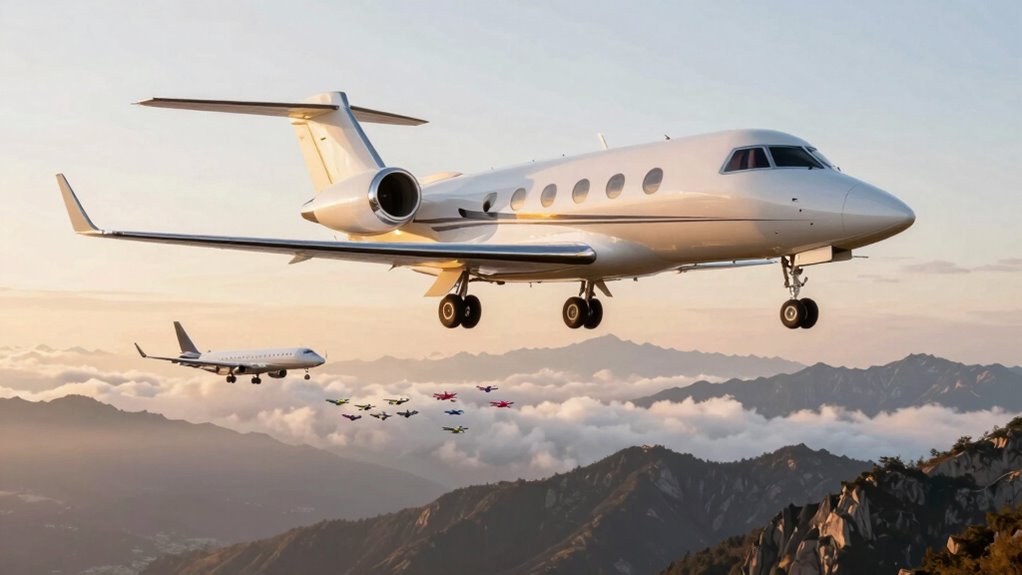
The biggest difference between flying for fun and flying with purpose is the level of planning, responsibility, and safety adherence involved. When flying for fun, you focus on enjoyment and spontaneity, often neglecting detailed preparations. With purpose, you prioritize meticulous planning, strict safety protocols, and professionalism to achieve specific goals like transporting passengers or cargo. To truly understand how these aspects shape each type of flight, keep exploring these distinctions further.
Key Takeaways
- Flying for fun emphasizes exploration and enjoyment, while flying with purpose focuses on achieving specific operational objectives.
- Purposeful flying requires strict adherence to regulations, detailed planning, and safety protocols; recreational flying is more spontaneous.
- Safety is prioritized in both, but purposeful flying involves higher levels of discipline, training, and risk management.
- Recreational pilots often fly with minimal pre-flight planning, whereas purposeful flying involves meticulous preparation and coordination.
- The mindset shifts from personal enjoyment to professionalism and responsibility when flying with a defined purpose.
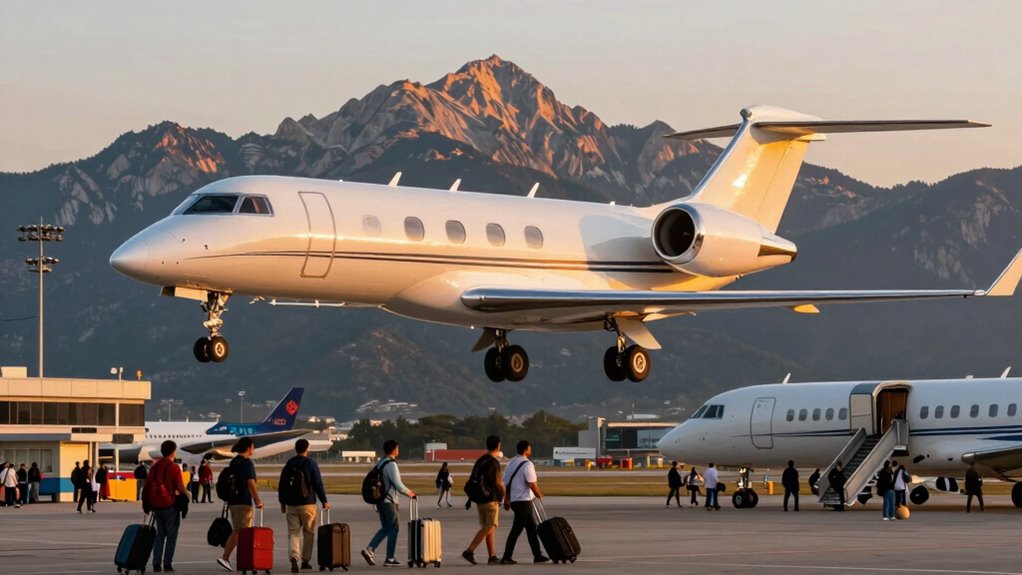
Flying for fun often feels like an adventure filled with excitement and exploration, while flying with purpose is about precision, responsibility, and achieving specific objectives. When you’re piloting recreational aircraft, the focus is primarily on enjoyment, discovering new sights, or simply experiencing the thrill of flying. But when you’re flying with a clear goal—whether it’s transporting passengers, delivering cargo, or conducting business—the stakes are higher. Your mindset shifts from leisure to professionalism, and safety becomes the top priority.
Flying for fun is about exploration; flying with purpose prioritizes safety, responsibility, and achieving clear objectives.
Aviation safety is a cornerstone that underpins all flying activities. For recreational pilots, safety still matters, but the emphasis tends to be on personal safety and enjoyment. In contrast, when you’re flying with purpose, safety takes on even greater importance. You need to adhere strictly to aviation regulations, follow detailed procedures, and make well-informed decisions to prevent accidents. This is where rigorous pilot training plays a crucial role. Proper training ensures you understand complex systems, weather patterns, navigation, and emergency protocols. With thorough pilot training, you’re better equipped to handle unexpected situations, minimize risks, and ensure the safety of everyone on board.
Flying with purpose also involves meticulous planning. You don’t just take off spontaneously; you prepare flight plans, check weather conditions, verify aircraft readiness, and coordinate with air traffic control. This level of preparation is driven by your responsibility to operate safely and efficiently. Your training teaches you to anticipate potential issues, communicate clearly, and adapt swiftly when circumstances change. This contrasts sharply with recreational flying, where spontaneity often takes precedence, and planning may be less detailed.
Furthermore, flying with purpose requires a disciplined approach to maintenance and operational standards. You understand that aircraft must be regularly inspected and maintained to meet safety regulations. Pilot training reinforces these practices and highlights their importance in preventing mechanical failures. You become part of a broader safety culture that prioritizes risk management, continuous learning, and adherence to best practices. Recognizing the importance of ongoing education helps pilots stay current with evolving safety standards and technological advancements. Staying informed about industry updates is essential to maintaining professionalism and ensuring compliance.
In addition, understanding the importance of aviation safety and adhering to industry standards is fundamental to maintaining a high level of professionalism when flying with purpose. Ultimately, the biggest difference lies in your mindset and the level of responsibility you accept. Recreational flying offers freedom and fun, but flying with purpose demands a professional attitude rooted in aviation safety and extensive pilot training. This ensures you can achieve your objectives while safeguarding yourself, your passengers, and others in the airspace. Whether you’re flying for leisure or with intent, understanding this distinction helps you become a better, safer pilot.

ASA CX-3 Flight Computer – Advanced Electronic E6B for Accurate Flight Planning and FAA Exam Preparation
FAA and Canadian Exam Approved – Permitted for use on all FAA and Canadian pilot, mechanic, and dispatcher…
As an affiliate, we earn on qualifying purchases.
As an affiliate, we earn on qualifying purchases.
Frequently Asked Questions
How Do Flight Preparations Differ for Recreational vs. Mission Flights?
For recreational flights, your pre-flight planning focuses on weather, navigation, and personal comfort, while equipment checks guarantee all gear is secure. For mission flights, you prioritize detailed pre-flight planning, including mission objectives, specific equipment, and data collection needs. Equipment checks become more thorough, verifying specialized tools and communication devices. You also coordinate with ground teams, ensuring all mission-specific protocols are followed, making safety and precision your top priorities.
What Legal Considerations Apply to Purposeful Flying?
You need to understand that purposeful flying involves strict legal considerations. You must adhere to airspace regulations, which vary depending on your mission’s location and scope. Additionally, your pilot licensing requirements are more rigorous—often demanding specific certifications or endorsements. Failing to comply risks severe penalties, legal trouble, or even endangering lives. Stay alert, follow all rules diligently, and guarantee your documentation is in order—your mission’s success and safety depend on it.
Are There Specific Certifications Needed for Purposeful Flying?
Yes, for purposeful flying, you typically need specific certifications beyond basic pilot licenses. You should undergo specialized aviation training relevant to your mission, such as commercial or private pilot certifications, depending on your goals. Proper flight planning is essential to guarantee safety and compliance. These steps guarantee you’re prepared for the unique challenges of purposeful flying, helping you operate confidently and legally in various aviation environments.
How Does Insurance Coverage Vary Between the Two Types of Flying?
Your insurance coverage can feel like a rollercoaster ride when flying for fun versus with purpose. Typically, insurance policies for purposeful flying include higher liability coverage because you’re carrying passengers or valuable cargo. Recreational flying often has more basic policies, sometimes with limited liability. Always review your policies carefully, as purposeful flying usually demands specialized coverage to protect against the greater risks involved.
What Safety Protocols Are Unique to Purposeful Flights?
You’ll find purposeful flights often have stricter safety protocols, including exhaustive pilot training focused on specific mission requirements. You’re required to review detailed emergency procedures tailored to the flight’s purpose, ensuring preparedness for unique challenges. This dedicated training helps you respond swiftly in emergencies, minimizing risks. Unlike recreational flying, these flights demand a higher level of professionalism, emphasizing safety and mission success through rigorous training and adherence to specialized emergency protocols.

Pyramex Pathfinder Aviator Safety Glasses with Gold Frame and Clear Lens
Metal frame features traditional aviator style
As an affiliate, we earn on qualifying purchases.
As an affiliate, we earn on qualifying purchases.
Conclusion
So, whether you’re soaring through the sky just for the thrill or flying with a mission that could change lives, remember this: you hold the power to turn a simple flight into an unforgettable adventure or a life-saving journey. Don’t underestimate what a single flight can do — it’s not just about getting from point A to B, but about releasing your true potential as a sky captain of purpose. The sky’s not the limit; it’s just the beginning!

Kit Airplane Construction
9.78007E+12
As an affiliate, we earn on qualifying purchases.
As an affiliate, we earn on qualifying purchases.

FTS Private Pilot Flight Training Posters: 2-Piece Visualized Training Set- FAA Private Pilot Training Study Guide & Private Pilot Visualized Flight Training Maneuvers.
★★This bundle will be a unique source to accomplish your private pilot flight training from ZERO to HERO….
As an affiliate, we earn on qualifying purchases.
As an affiliate, we earn on qualifying purchases.