📊 Full opportunity report: How Proptech Is Shaping Pre-Demo Condition Assessments For Vintage Homes on IdeaNavigator AI — validation score, market gap, and execution plan.

Get the latest gadgets delivered free with Prime
- Fast, free delivery on millions of items
- Prime Video, Amazon Music and more included
- Member-only deals all year
TL;DR
Proptech companies are developing remote assessment tools to predict the condition of vintage homes before demolition. These innovations aim to reduce surprises and costs for DIY buyers renovating pre-1980 houses. The approach involves guided phone scans and mail-in kits, with early testing underway.
Proptech firms are launching new remote assessment tools aimed at pre-1980 homes, helping DIY buyers predict renovation risks before demolition. These innovations are designed to address longstanding challenges of unexpected hazards like asbestos, old wiring, and lead pipes, which often cause costly delays and overruns. The approach enables buyers to get a wall-by-wall condition verdict remotely, before committing to demolition, potentially transforming the home renovation market for vintage houses.
The new assessment methodology focuses on providing pre-demo condition verdicts for homes built before 1980, targeting DIY millennial buyers who renovate on weekends and savings. Traditional home inspections often fall short, as hazards such as galvanized pipes, cloth-wrapped wiring, or asbestos are only revealed once walls are opened, leading to unexpected costs and project delays. To address this, companies are developing guided phone scans of key areas like panels, crawlspaces, and supply lines, combined with mail-in kits for suspect materials, to produce a wall-by-wall report of likely contents and opening costs.
This approach aims to deliver a fixed-fee verdict per house, with the option to upsell remediation quotes from contractors. Early validation involves selling twenty pre-demo verdicts to buyers and comparing predictions with actual findings during demolition. This pilot will measure the accuracy of the assessments and the willingness of buyers to refer the service, providing critical data to refine the technology and business model.
Innovating Home Renovation Risk Assessment for Vintage Houses
This development matters because it could significantly reduce the financial and logistical risks faced by DIY buyers of pre-1980 homes. By providing early, remote insights into hidden hazards, these tools could prevent costly surprises during demolition, making vintage home renovation more accessible and predictable. For the broader market, this could lead to increased activity in the affordable housing sector, as more buyers feel confident taking on fixer-uppers with reliable pre-demo data. Ultimately, this innovation may reshape the way homeowners, contractors, and lenders approach vintage house renovation, emphasizing risk management and cost transparency.
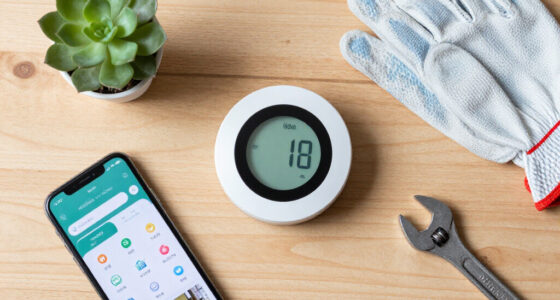
home inspection kit for vintage homes
As an affiliate, we earn on qualifying purchases.
As an affiliate, we earn on qualifying purchases.
Rise of Remote Assessments in Vintage Home Renovation
Most affordable starter homes in many markets now predate 1980, reflecting aging housing stock and increased demand for renovation. Traditionally, inspections involve on-site visits, which can miss hazards hidden behind walls, leading to unexpected costs. As the housing market shifts, there is a growing need for remote, efficient evaluation tools. Recent advancements include guided phone scans and mail-in testing kits, which have been used in other industries but are now being adapted for pre-demo assessment of vintage homes. This approach aligns with trends toward remote work and digital services, aiming to streamline the renovation process and reduce risk for DIY buyers.
As an affiliate, we earn on qualifying purchases.
Validation and Accuracy of Remote Condition Verdicts
It is still unclear how accurately these remote assessments will predict actual conditions encountered during demolition. The pilot program involving twenty verdicts will provide initial data, but broader validation is needed. Questions remain about the technology’s ability to detect hazards like asbestos, lead paint, or wiring issues reliably from remote scans and mail-in samples. Additionally, industry acceptance and regulatory considerations for remote assessments are still evolving, and the cost-effectiveness of scaling this approach remains to be proven.
As an affiliate, we earn on qualifying purchases.
Next Steps for Pilot Testing and Market Adoption
The immediate next step involves completing the pilot program, comparing predicted versus actual conditions during demolition, and refining the technology based on findings. If successful, the companies behind these tools plan to expand their service offerings, targeting more markets and building partnerships with contractors and lenders. Broader adoption will depend on regulatory acceptance, industry standards, and demonstrated cost savings. Long-term, these tools could become a standard part of pre-demo planning for vintage homes, especially for DIY buyers seeking reliable, remote assessments.
electrical wiring inspection camera
As an affiliate, we earn on qualifying purchases.
As an affiliate, we earn on qualifying purchases.
Key Questions
How reliable are remote assessments compared to traditional inspections?
Early testing suggests they can provide useful preliminary data, but full validation is ongoing. Accuracy in detecting hazards like asbestos or wiring issues remains under evaluation.
What materials can mail-in kits test for?
The kits are designed to identify materials such as asbestos, lead paint, and suspect wiring, providing a wall-by-wall report for buyers.
Will this technology replace on-site inspections entirely?
Currently, it is intended as a pre-demo screening tool to reduce surprises, not a complete replacement for on-site inspections, especially for complex or high-risk properties.
How much will these remote assessments cost?
The initial fixed fee per house is expected to be competitive with traditional inspections, with potential upsells for remediation quotes.
When will this technology be widely available?
Pilot testing is ongoing, with broader market adoption likely within the next 1-2 years if validation proves successful.
Source: IdeaNavigator AI
Halloween Picks
halloween
As an affiliate, we earn on qualifying purchases.