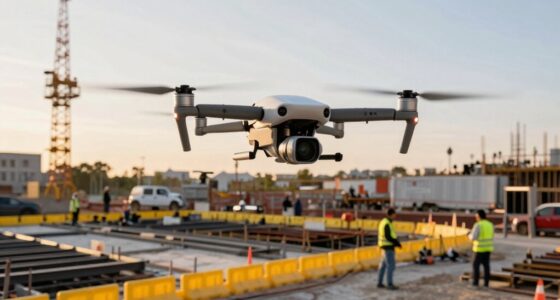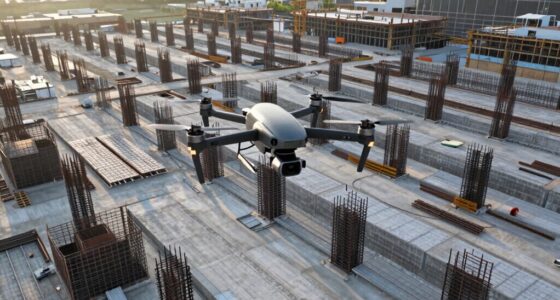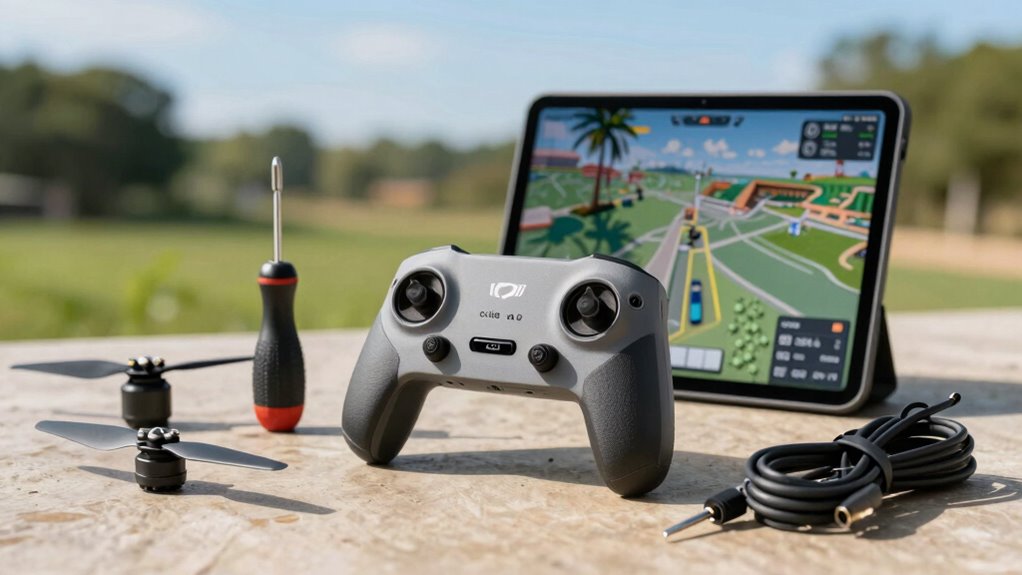

To build a professional drone setup in the field, start by choosing reputable, high-quality components that are compatible and reliable. Assemble everything carefully following precise instructions, ensuring secure wiring and proper mounting. Prioritize safety by working in an open space and using proper tools. Stay aware of local regulations and respect safety standards. Maintaining your drone regularly and understanding its parts will boost your confidence and performance. Keep exploring this guide to master creating a truly professional drone setup.

Get the latest gadgets delivered free — and shop member deals
- Fast, free delivery on millions of items
- Access to Prime Big Deal Days deals on October 6–7
- Prime Video, Amazon Music and more included
Key Takeaways
- Select reputable, high-quality components compatible with your drone design for reliability and professional performance.
- Follow precise assembly instructions, ensuring secure wiring, soldering, and proper component mounting.
- Balance the drone with proper weight distribution and calibrated propellers for stability in flight.
- Stay informed about current regulations and ensure compliance with registration, no-fly zones, and safety standards.
- Conduct thorough pre-flight checks, regular maintenance, and operate responsibly to ensure safety and professionalism in the field.

Building a drone setup may seem complex at first, but with the right guidance, you can assemble a reliable and efficient flying machine. The key is to focus on quality components, proper assembly, and understanding the essential safety and legal requirements. When you’re selecting parts, prioritize reputable brands and guarantee compatibility between the drone frame, motors, ESCs, and flight controller. This foundation guarantees better performance and reduces troubleshooting down the line. Once you’ve gathered your components, follow precise instructions to assemble the drone, paying close attention to wiring and connections. Proper soldering and secure mounting are vital to prevent failures during flight, giving you confidence in your setup.
As you build, keep drone safety at the forefront. It’s not just about avoiding crashes; it’s about protecting yourself and others around you. Always work in a clear, open area free of obstacles, and wear safety glasses when handling tools or soldering. Double-check all connections before powering up your drone to prevent short circuits or component damage. Proper weight distribution and balanced propellers are indispensable to guarantee stable flight, which directly relates to safety and control. Remember, a well-maintained drone is less likely to malfunction, minimizing risks during operation. Additionally, staying informed about regulatory compliance can help you navigate legal requirements more effectively. Understanding the components that make up your drone can also help you troubleshoot issues more efficiently when they arise. Keeping up with regulatory changes ensures you’re always aware of current rules and restrictions. Being aware of battery safety practices is also crucial to prevent hazards related to power sources and charging.
Understanding legal considerations is equally important. Before you take your drone into the field, research local regulations governing drone flight. Many regions require registration, especially if your drone exceeds a certain weight. You might also need to adhere to altitude limits, no-fly zones, or specific permissions for commercial use. Keeping your drone within legal boundaries isn’t just about avoiding fines; it’s about respecting privacy and airspace safety. Make sure your drone is clearly marked with identification if required, and stay updated on any regulation changes. Compliance guarantees you can enjoy flying without the worry of legal repercussions, allowing you to focus on capturing great footage or exploring new areas.
Building a professional-looking drone setup involves more than just assembling parts; it’s about integrating safety and legality into your process. Take your time choosing components, follow precise wiring practices, and always keep drone safety in mind. Familiarize yourself with the legal landscape relevant to your location, and operate responsibly. A well-constructed drone, combined with awareness of safety and regulatory considerations, will serve you well in the field, giving you confidence in every flight. This approach not only produces a reliable machine but also ensures you’re flying within the rules, making your drone experience both enjoyable and responsible.
As an affiliate, we earn on qualifying purchases.
Frequently Asked Questions
What Safety Precautions Should I Take When Flying My Drone Professionally?
When flying your drone professionally, prioritize safety by handling batteries carefully to prevent fires or malfunctions. Always check for signal interference before flying, as it can cause crashes or loss of control. Maintain a safe distance from people and property, and keep an eye on weather conditions. Use proper pre-flight checks and follow local regulations, ensuring your drone operation remains safe, reliable, and professional at all times.
How Do I Ensure My Drone Setup Complies With Local Regulations?
You guarantee your drone setup complies with local regulations by staying informed about legal compliance and registration requirements. Check your country’s aviation authority guidelines, register your drone if necessary, and keep documentation handy. Regularly review updates to regulations, and always fly within permitted areas and altitude limits. By proactively managing these aspects, you avoid legal issues and maintain a professional, responsible drone operation in the field.
What Maintenance Routines Are Essential for Professional Drone Equipment?
You should regularly perform battery calibration to guarantee accurate power readings and extend battery life. Additionally, conduct thorough propeller inspections before each flight to check for cracks, chips, or warping that might compromise safety or performance. Keep your drone clean and update firmware consistently. These routines help maintain reliability, prevent accidents, and keep your professional drone setup in top condition for every mission.
How Can I Optimize My Drone’s Camera Settings for Different Environments?
To optimize your drone’s camera settings for different environments, start with proper camera calibration to guarantee accurate color and focus. Adjust lighting settings based on the environment—increase ISO in low light, reduce it in bright conditions. Use exposure compensation to fine-tune brightness, and experiment with shutter speed for sharp images in motion. Regularly calibrate and adapt these settings to maintain professional-quality footage in any environment.
What Accessories Can Enhance My Drone’s Field Performance?
Think of your drone as a race car—adding the right accessories boosts its performance. Invest in extra batteries to extend your flight time and carry spare ones, so you’re always ready. A signal booster or range extender improves your control and keeps you connected, even at a distance. These accessories enhance your drone’s field performance by maximizing battery life and expanding your signal range, ensuring smoother, more reliable flights.
high-quality drone motors and ESCs
As an affiliate, we earn on qualifying purchases.
As an affiliate, we earn on qualifying purchases.
Conclusion
With your carefully assembled drone setup, you hold the key to revealing endless possibilities. Like a seasoned pilot steering through clear skies, your equipment becomes an extension of your vision, capturing the world in stunning detail. Remember, a well-built drone isn’t just machinery—it’s your trusted compass guiding you through uncharted territory. As you take flight, let this setup symbolize your dedication and passion, soaring confidently toward new horizons with every mission you undertake.
As an affiliate, we earn on qualifying purchases.
As an affiliate, we earn on qualifying purchases.
Fall Picks
fall essentials
As an affiliate, we earn on qualifying purchases.