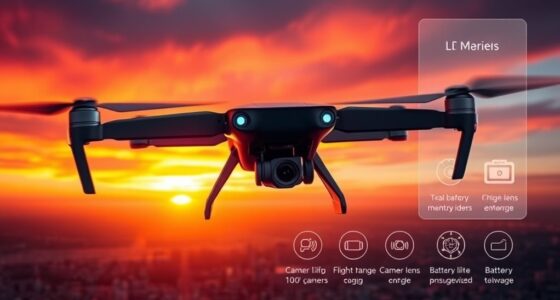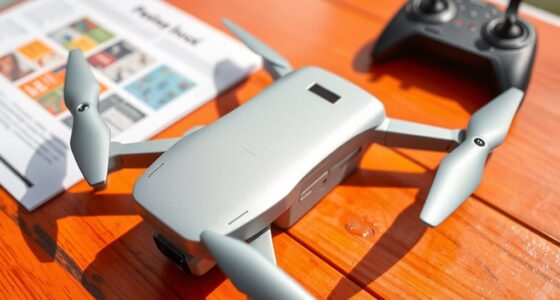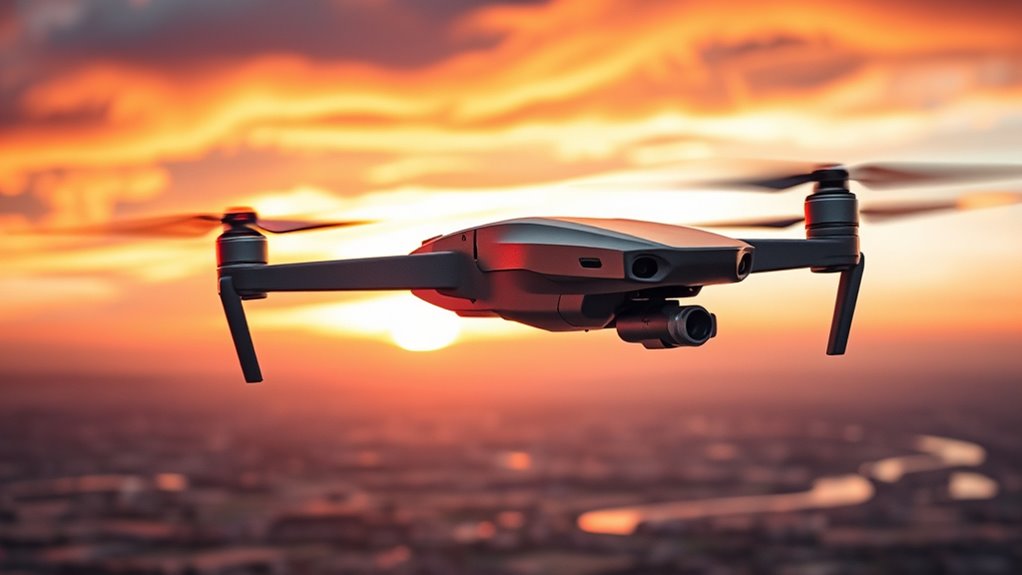
Drone flight modes like GPS, ATTI, and Sport help you control your drone in different ways. GPS mode keeps your drone stable and allows for features like waypoints and automatic return home. ATTI mode relies on internal sensors, so you must manually manage its drift caused by wind. Sport mode boosts speed and agility for dynamic flying, but needs careful handling. Continue exploring these modes to activate your drone’s full potential and enhance your flying experience.

Get the latest gadgets delivered free with Prime
- Fast, free delivery on millions of items
- Prime Video, Amazon Music and more included
- Member-only deals all year
Key Takeaways
- GPS Mode offers precise navigation, waypoint setting, and automatic return-to-home for safe, stable flights.
- ATTI Mode relies on internal sensors, requiring manual control without GPS assistance.
- Sport Mode enhances speed and agility, enabling dynamic maneuvers with reduced stabilization.
- Additional features like obstacle avoidance and camera stabilization improve safety and footage quality.
- Understanding each mode helps optimize drone safety, control, and versatility in different environments.
GPS drone with waypoint navigation
As an affiliate, we earn on qualifying purchases.
As an affiliate, we earn on qualifying purchases.
Understanding GPS Mode
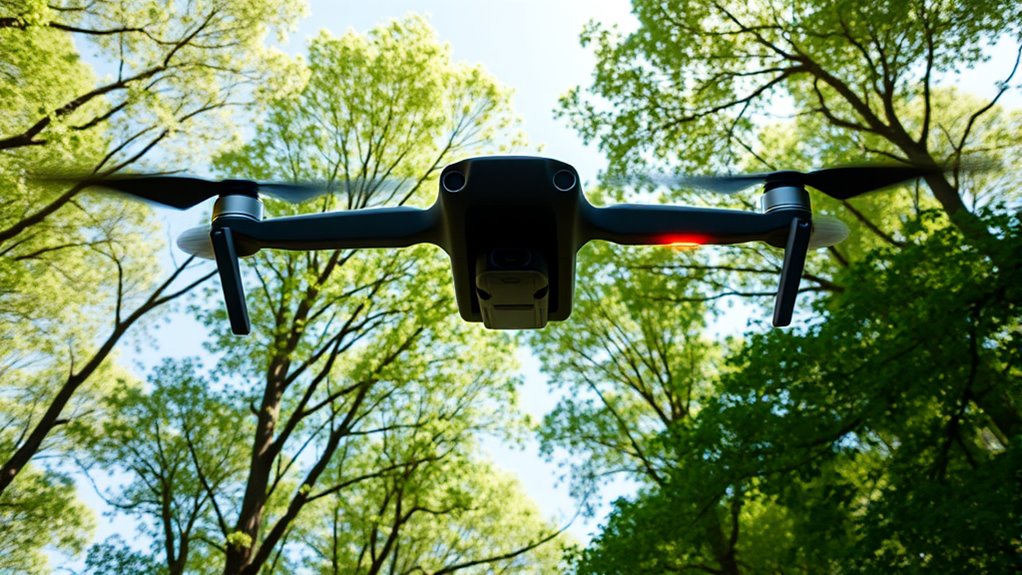
Have you ever wondered how drones stay so steady and precisely navigate to their destinations? That’s where GPS mode comes in. Using satellite signals, your drone can follow waypoint navigation, allowing you to set multiple points for it to follow automatically. This makes complex flights easier, especially for aerial photography or surveying. When you’re ready to land, GPS mode enables your drone to execute a safe return to home, even if you lose sight of it. The drone constantly updates its position relative to the GPS satellites, ensuring stability and accurate navigation. With GPS mode, you don’t have to worry about manual control during long flights. It’s all about precision, safety, and convenience, making drone flying more accessible and reliable. Satellite-based positioning enhances the drone’s ability to maintain its course and perform precise maneuvers. Additionally, leveraging European cloud infrastructure can improve the reliability and security of data collected during flights. Incorporating electric motor technology from electric bikes can also contribute to quieter and more energy-efficient drone operations. Moreover, utilizing robust satellite signals can help maintain accurate positioning in challenging environments, further improving flight safety and performance.
drone with automatic return home
As an affiliate, we earn on qualifying purchases.
As an affiliate, we earn on qualifying purchases.
Exploring ATTI Mode
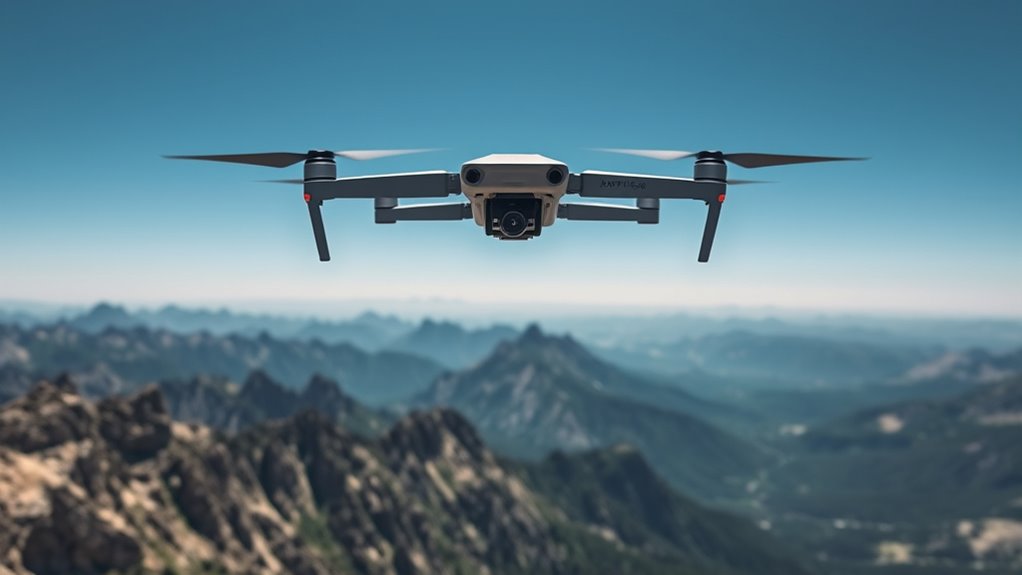
While GPS mode offers precise navigation, ATTI mode relies on the drone’s internal sensors to maintain stability, making it a useful alternative when GPS signals are weak or unavailable. In ATTI mode, you have manual control, but the drone won’t automatically correct for drift caused by wind or movement. This means you need to actively manage stability maintenance yourself, giving you a more hands-on flying experience. It’s ideal for practicing manual control skills and capturing smoother shots in open areas. Additionally, understanding the Youngster Choice concept can help pilots develop their skills and confidence in different flight modes. Recognizing the importance of sensor reliance can also assist pilots in understanding how drones behave in various conditions. Being aware of odor detection principles can help pilots better anticipate drone behavior in different environments. Furthermore, mastering flight mode transitions can enhance overall piloting skills and safety during complex maneuvers. Incorporating knowledge of connectivity can improve your ability to switch between modes seamlessly and safely.
As an affiliate, we earn on qualifying purchases.
The Dynamics of Sport Mode
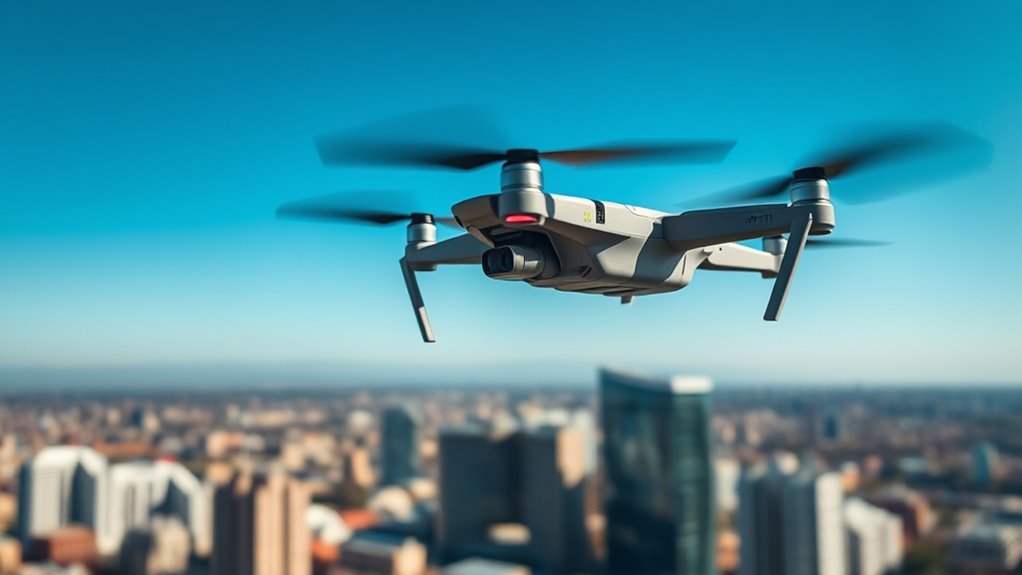
Sport Mode transforms your drone into a high-performance machine, optimized for speed and agility. In this mode, the drone’s aerodynamic behavior shifts, reducing stabilization filters to allow for quicker responses. This results in sharper, more dynamic maneuvers, giving you enhanced maneuverability. You’ll notice less resistance from the drone’s typical stabilization systems, which makes rapid turns and fast accelerations feel more responsive. The drone becomes more agile, allowing you to push its limits during racing or acrobatic flights. However, this increased maneuverability comes at the expense of some stability, so it requires a steady hand. Understanding the importance of precise control is crucial when operating in this mode to ensure safety and optimal flying experience. Additionally, engaging in high-performance flying demands awareness of your surroundings to prevent accidents. Recognizing the balance between speed and stability is essential for safe and effective use in Sport Mode. For optimal results, pilots should also familiarize themselves with drone aerodynamics to better anticipate how the drone reacts during aggressive maneuvers. Being aware of flight environment considerations can help avoid potential hazards during high-speed operations.
drone with obstacle avoidance and stabilization
As an affiliate, we earn on qualifying purchases.
As an affiliate, we earn on qualifying purchases.
Additional Flight Modes and Features

Beyond the basic modes, many drones offer additional flight features that enhance your flying experience. One key feature is camera stabilization, which guarantees smooth, professional-quality footage even during rapid moves. This allows you to capture clear, steady shots without extra effort. Obstacle avoidance is another valuable feature, actively scanning the environment to prevent collisions. It helps you navigate complex areas safely, giving you confidence to fly closer to objects or in tight spaces. Some drones also include intelligent flight modes like waypoint navigation or follow-me, which automate certain aspects of flying. These features make your flights more versatile, safe, and easier to manage. By leveraging camera stabilization and obstacle avoidance, you can focus more on capturing stunning visuals and exploring new flying techniques. Additionally, thermal imaging capabilities are increasingly integrated into advanced drones, enabling you to conduct inspection and search missions effectively. Many modern drones also utilize local automation features that allow for customized routines and seamless cross-platform integration, further enriching your flying experience.
Frequently Asked Questions
How Do I Switch Between Different Drone Flight Modes Safely?
To switch between drone flight modes safely, start by managing your battery to make certain there is ample power for the transition. Before changing modes, check altitude restrictions and keep the drone within legal limits. Use your remote or app controls carefully, making slow, deliberate switches. Always stay attentive, especially in GPS mode for stability, and switch to sport or ATTI modes only in open areas with no obstacles to avoid accidents.
Can I Customize Flight Mode Settings for Specific Filming Needs?
Yes, you can customize flight mode settings for specific filming needs. By exploring your drone’s custom mode customization options, you can tailor flight mode presets to suit your shooting style. This allows you to streamline settings for smooth, stable shots or dynamic, daring maneuvers. Set up your preferred configurations in advance, ensuring quick, quality captures. Custom mode customization empowers you to perfectly personalize your drone’s performance for every filming adventure.
What Are the Best Practices for Drone Mode Transitions During Flight?
To facilitate smooth drone mode transitions, you should plan your flight path with autonomous navigation and obstacle avoidance in mind. Before switching modes, reduce speed and assess your surroundings to prevent sudden movements. Engage obstacle avoidance systems when available, and make transitions gradually to maintain stability. Practice switching modes in open areas to build confidence, and always stay alert for unexpected obstacles during the changeover.
Are There Modes Optimized for Beginner Versus Professional Pilots?
Yes, there are modes optimized for beginner-friendly flying and professional-optimized settings. As a beginner, you should start with GPS mode, which offers stability and easy control, helping you learn basic flight skills safely. For professionals, modes like Sport or manual provide advanced control and responsiveness, ideal for complex shots or precise maneuvers. Switching between these modes allows you to match your skill level and mission requirements effectively.
How Do Environmental Conditions Affect Different Drone Flight Modes?
Think of flying your drone like sailing on different seas. Wind interference can toss your drone, especially in ATTI mode, making control tricky. Temperature effects, such as extreme heat or cold, can weaken batteries and impact sensor accuracy, affecting all modes. In gusty conditions or during temperature swings, switch to GPS mode for stability or reduce speed in Sport mode. Always adapt your flight to the environment for safe, smooth flying.
Conclusion
Now that you know the different drone flight modes, you’re better equipped to fly confidently and safely. Each mode offers unique controls suited for various situations, so understanding them is key. Remember, “a journey of a thousand miles begins with a single step.” By mastering GPS, ATTI, and Sport modes, you set yourself up for smooth flights and breathtaking shots. Keep practicing, stay curious, and enjoy the skies ahead!
Halloween Picks
halloween
As an affiliate, we earn on qualifying purchases.