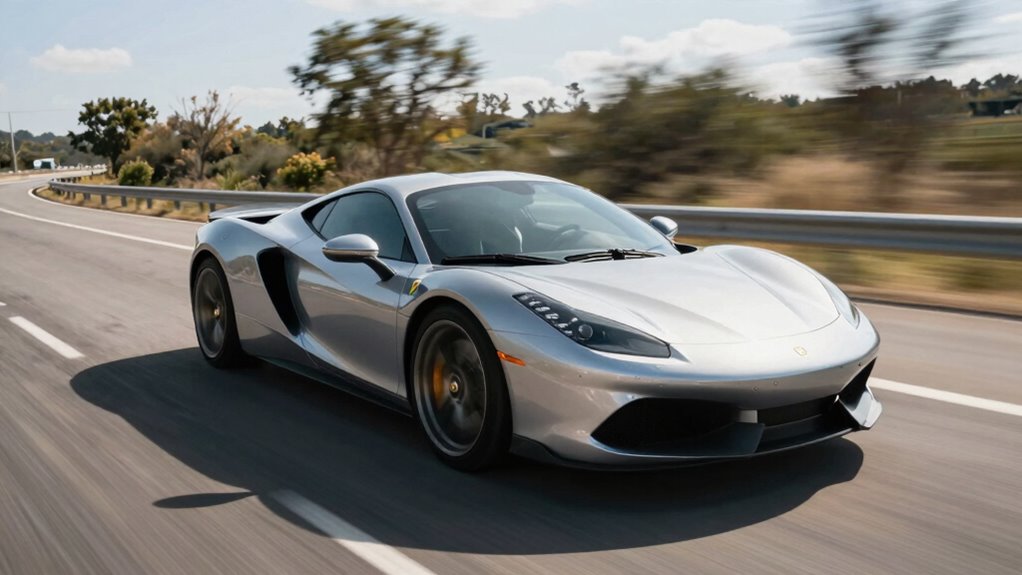

Filming moving cars with a drone hides several challenges, like maintaining smooth footage and avoiding shaky shots during high-speed tracking. Signal interference from urban Wi-Fi or dense signals can cause control issues or crashes. Precise piloting and speed adjustments are essential to keep the camera steady and the vehicle in frame. Mastering stabilization, managing signals, and planning ahead are crucial to capturing cinematic shots. If you want to discover how to overcome these obstacles, keep exploring.

Get the latest gadgets delivered free — and shop member deals
- Fast, free delivery on millions of items
- Access to Prime Big Deal Days deals on October 6–7
- Prime Video, Amazon Music and more included
Key Takeaways
- Effective stabilization is crucial to prevent shaky footage when tracking fast-moving cars.
- Signal interference from urban environments can disrupt drone control during high-speed filming.
- Maintaining precise speed and positioning requires advanced piloting skills to keep the car in frame.
- Proper pre-flight planning helps anticipate challenges like obstacles or signal disruptions.
- Combining stabilization, signal management, and careful planning ensures smooth, cinematic car footage.
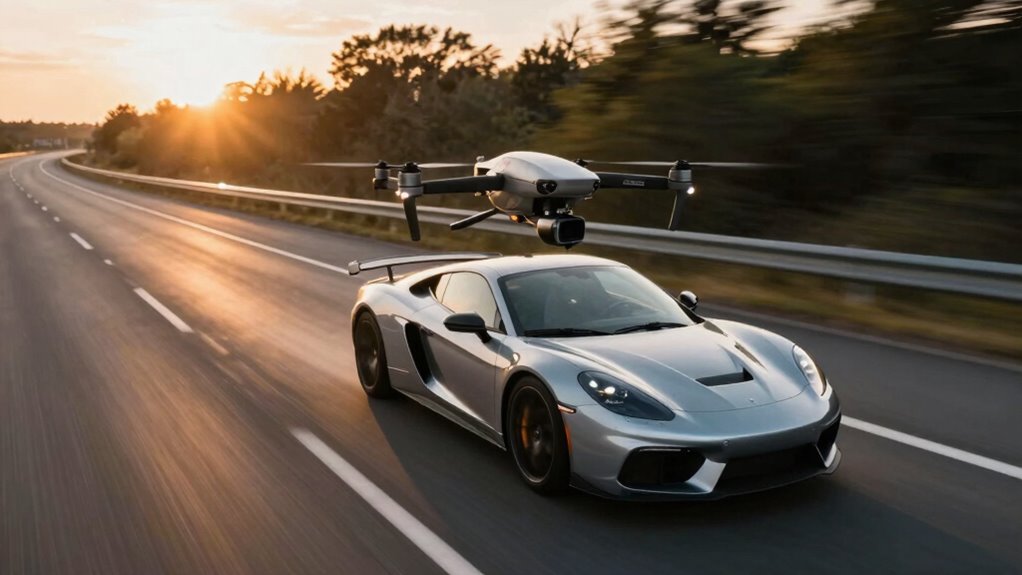
Filming moving cars with a drone might seem straightforward, but in reality, it presents a hidden set of challenges that can trip up even seasoned operators. One of the biggest hurdles is maintaining smooth footage, which relies heavily on effective camera stabilization. When you’re tracking fast-moving vehicles, any slight shake or wobble becomes glaringly obvious in the final shot. To combat this, you need a drone equipped with advanced stabilization systems that can absorb the vibrations caused by wind, sudden movements, or turbulence. Without it, your footage risks becoming shaky and unusable, forcing you to redo the shot and wasting valuable time. Additionally, understanding the camera stabilization technology helps you choose the right equipment for the task. Signal interference is another obstacle that can derail your filming process. As you follow a moving car, your drone depends on a stable connection between the controller and the aircraft. In urban environments or areas with dense Wi-Fi networks, signals can become disrupted, leading to loss of control or delayed responses. This can cause the drone to drift off course or even crash, especially when you’re trying to keep pace with a rapidly moving target. To minimize this risk, you need to choose the right frequency bands, use interference-resistant transmitters, and guarantee a clear line of sight whenever possible. Regularly checking your signal strength and having backup plans, like manual control or return-to-home features, is vital. Proper signal management is essential to ensure consistent control and safety during high-speed filming. Mastering speed control and understanding the drone’s capabilities are also critical to prevent jerky footage and maintain a consistent shot. Moving cars often travel at high velocities, and keeping the drone in sync requires precise piloting skills. You need to anticipate the car’s movement, adjust your altitude, and maintain a consistent distance without losing sight of the vehicle. This fine-tuned control becomes more complicated when combined with camera stabilization needs. If your drone’s gimbal isn’t responsive enough, or if your control inputs aren’t precise, your shots can appear jerky or out of focus. It’s essential to practice controlling your drone smoothly, especially in dynamic situations involving moving objects. In essence, filming moving cars demands more than just a capable drone. You have to master camera stabilization to keep images clear and steady, stay vigilant about Signal interference to maintain control, and manage your drone’s speed and positioning with precision. Additionally, developing a pre-flight plan can help you anticipate potential issues and streamline your shooting process. When these elements come together seamlessly, you’ll produce cinematic footage that captures the energy and motion of your subject—without the hidden pitfalls sabotaging your shot.
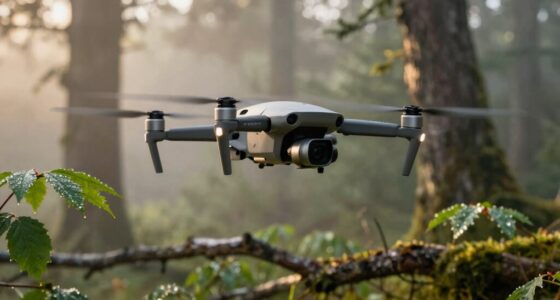
drone with advanced stabilization system
As an affiliate, we earn on qualifying purchases.
As an affiliate, we earn on qualifying purchases.
Frequently Asked Questions
What Drone Models Are Best Suited for High-Speed Car Filming?
For high-speed car filming, you should consider drones like the DJI Inspire 2 or the Autel Evo II, known for their excellent camera stabilization and fast response times. These models offer extended drone battery life, allowing longer shoots without interruption. Their agility and reliable stabilization guarantee smooth footage at high speeds, making them ideal for capturing dynamic car scenes without compromising quality or risking drone performance during rapid movements.
How Do Weather Conditions Affect Drone Filming of Moving Vehicles?
Think of weather as the mood of your filming adventure—calm days are your allies, while storms or wind are like unpredictable villains. Weather impact can cause your drone to sway or lose stability, especially in high winds or rain. Temperature effects, like extreme heat or cold, can drain batteries faster or affect drone sensors. Always check forecasts before flying, so you can adapt and capture those perfect shots safely.
What Safety Precautions Are Necessary During Drone Car Filming?
You should wear proper safety gear like helmets and high-visibility vests to stay protected during drone car filming. Always establish clear emergency protocols, such as immediate landing procedures and communication plans with your team. Keep a safe distance from moving vehicles and monitor weather conditions constantly. Regularly check your drone’s functionality to prevent malfunctions. These precautions guarantee your safety and the safety of others while capturing dynamic footage.
How Do You Plan Shots to Keep Cars in Frame Smoothly?
You plan your shots by using camera stabilization to keep the drone steady and smooth, even at high speeds. Simultaneously, you incorporate motion prediction algorithms to anticipate the car’s path, ensuring it remains in frame seamlessly. By combining these techniques, you create fluid, professional shots that follow the car’s movement naturally. This proactive approach reduces the need for constant adjustments, allowing you to focus on capturing dynamic, cinematic footage effortlessly.
What Legal Permits Are Required for Filming Moving Cars With a Drone?
You’ll need to register your drone with the FAA before filming moving cars, ensuring compliance with local regulations. Check privacy laws to avoid legal issues, especially if capturing footage over private property. Obtain any necessary permits or permissions from authorities or property owners. Stay aware of restrictions on drone altitude and flight zones, and always operate your drone responsibly to avoid penalties or privacy violations during your filming project.
interference-resistant drone transmitter
As an affiliate, we earn on qualifying purchases.
As an affiliate, we earn on qualifying purchases.
Conclusion
So, next time you see those stunning drone shots of speeding cars, remember the real challenge isn’t just capturing the shot — it’s about mastering the unpredictable. Many believe advanced stabilization tech makes it a breeze, but the truth is, steady footage often comes down to skill and patience. Think of it as a dance with movement itself: the more you understand its rhythm, the better your shots will be.
professional drone gimbal for filming
As an affiliate, we earn on qualifying purchases.
As an affiliate, we earn on qualifying purchases.
high-speed drone for cinematic filming
As an affiliate, we earn on qualifying purchases.
As an affiliate, we earn on qualifying purchases.
Fall Picks
fall essentials
As an affiliate, we earn on qualifying purchases.