
Filters are essential to aircraft safety and performance, yet many new pilots underestimate their importance. They prevent system failures, engine damage, and safety hazards by keeping air, fuel, and oil clean. Neglecting filter maintenance can lead to clogged intakes, contaminated fuel lines, and engine issues, risking costly repairs and safety problems. Proper filter care guarantees smooth operation and longevity of the aircraft. If you want to understand how small components make a big difference, there’s more to discover.

Get the latest gadgets delivered free — and shop member deals
- Fast, free delivery on millions of items
- Access to Prime Big Deal Days deals on October 6–7
- Prime Video, Amazon Music and more included
Key Takeaways
- Filters prevent system failures by ensuring clean air, fuel, and oil, directly impacting aircraft safety and performance.
- Neglecting filter maintenance can lead to engine inefficiency, damage, and costly repairs during flight.
- Proper filter inspection and replacement are vital skills for pilots to support preventative maintenance.
- Clean filters protect vital systems from contamination, especially in debris-prone environments, extending aircraft longevity.
- Small components like filters play a critical role in overall aircraft safety, efficiency, and long-term operational reliability.
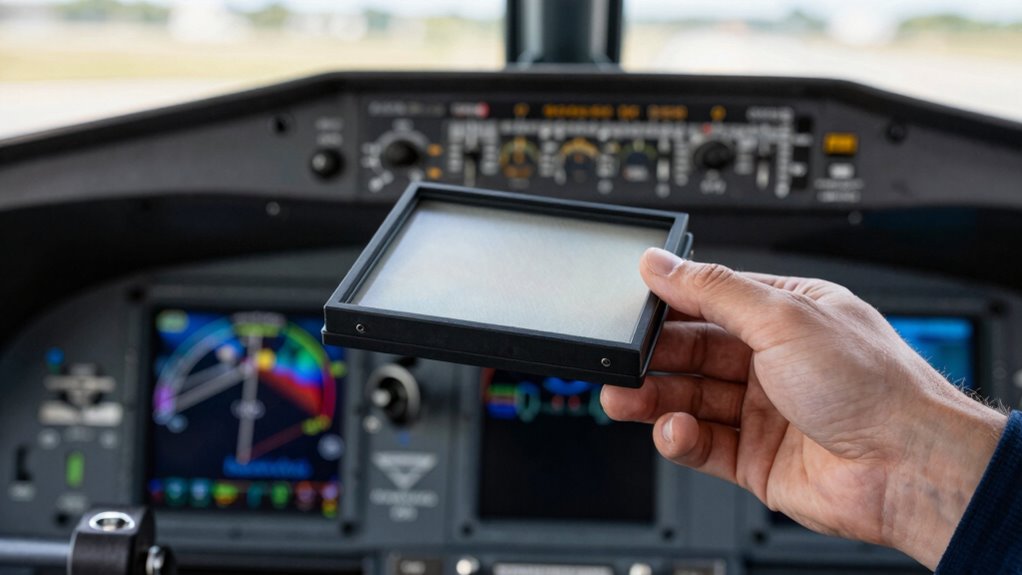
Filters might seem like simple accessories in your cockpit, but they play an indispensable role in guaranteeing your aircraft’s systems operate smoothly and safely. When you think about aircraft maintenance, filters are often overlooked, yet they are critical in preventing system failures, engine damage, and safety hazards. Properly maintained filters guarantee that the air, fuel, and oil circulating through your aircraft remain clean, reducing wear and tear on essential components. As a pilot, understanding the importance of these small but mighty parts can considerably impact your aircraft’s performance and longevity.
Filters are vital for aircraft safety and performance, preventing damage and ensuring smooth system operation.
During pilot training, you learn the fundamentals of aircraft operation, but many new pilots overlook the importance of routine maintenance, including filter checks. Neglecting filters can lead to clogged air intakes, contaminated fuel lines, or dirty oil passages, all of which can compromise engine efficiency or cause unexpected in-flight issues. Knowing how to inspect and replace filters is a basic yet indispensable skill that should be integrated into your overall pilot training. It’s not just about flying; it’s about understanding your aircraft’s health and guaranteeing it’s always in top condition before you take off. Regular filter inspections are a key part of preventative maintenance that can save you from costly repairs later. Proper air quality management plays a crucial role in ensuring the longevity of your aircraft’s systems. Recognizing the significance of preventative maintenance can help you develop better habits that extend the lifespan of your aircraft. Additionally, staying informed about filtration technology advancements can further enhance your ability to maintain optimal system performance.
Aircraft maintenance routines often emphasize the importance of timely filter replacements, but as a pilot, you also have a role in recognizing signs of filter failure. For instance, a decline in engine performance, unusual noises, or higher fuel consumption might indicate that filters are clogged or deteriorated. Being proactive and familiar with these warning signs helps you catch problems early, avoiding costly repairs and potential safety risks. Regular inspections, combined with a solid understanding of the aircraft’s maintenance schedule, empower you to make informed decisions and collaborate effectively with maintenance crews.
Filters also serve as a link between proper pilot training and aircraft longevity. When you prioritize proper maintenance practices, including filter care, you’re contributing directly to the overall safety and efficiency of your flights. Your awareness and diligence can prevent minor issues from escalating into major repairs, saving time and money. Furthermore, understanding the role of filters enhances your confidence as a pilot, knowing you’re actively participating in the aircraft’s upkeep.
Maintaining clean filters is also crucial because filters prevent contamination from entering vital systems, ensuring optimal engine performance. This becomes especially important in environments where airborne debris or pollutants are more prevalent, making diligent filter maintenance even more essential. In such environments, the quality of the filters used can significantly impact the effectiveness of filtration and overall system health. In addition, the proper disposal and recycling of used filters contribute to sustainable aviation practices that protect our environment. Additionally, staying informed about advancements in filtration technology can help pilots adopt new methods for maintaining aircraft cleanliness and efficiency, further emphasizing the importance of ongoing education.
In essence, filters are more than just minor components; they are essential to your aircraft’s health and your safety as a pilot. Recognizing their importance reinforces the need for meticulous aircraft maintenance and ongoing training. When you respect the role of filters, you’re not only preserving the aircraft but also honing your skills to become a more competent and responsible pilot. Remember, in aviation, attention to detail matters—sometimes, the smallest parts make the biggest difference.
aircraft engine fuel filter replacement kit
As an affiliate, we earn on qualifying purchases.
As an affiliate, we earn on qualifying purchases.
Frequently Asked Questions
How Do Filters Impact Overall Aircraft Safety and Performance?
Filters critically impact your aircraft’s safety and performance by maintaining ideal air quality inside the cabin and engine. When you regularly check and perform filter maintenance, you guarantee clean airflow, reducing engine strain and preventing contamination. Poor filter upkeep can compromise safety, cause engine issues, and diminish overall efficiency. Proper filtering keeps both you and your passengers safe, while also ensuring your aircraft runs smoothly and reliably during every flight.
Are There Specific Filters Recommended for Different Aircraft Models?
You should choose specific filters tailored for your aircraft model, especially for the fuel system and cabin air. Just like a well-fitted helmet protects your head, the right filters safeguard critical systems. Different aircraft require specialized filters to guarantee peak performance and safety. Always consult the manufacturer’s recommendations or a professional mechanic to select the best filters, helping prevent contamination and maintain smooth operation.
How Often Should Filters Be Inspected or Replaced?
You should inspect your filters regularly, ideally before each flight, to prevent fuel contamination issues. Replace them according to the manufacturer’s recommendations, usually every 50 to 100 flight hours, or sooner if you notice dirt or debris buildup. Pay close attention to filter materials, as they can degrade over time, reducing their effectiveness. Regular inspection and timely replacement ensure your aircraft’s fuel system stays clean and functions at its best.
Can Improper Filtering Cause Long-Term Engine Damage?
You might find it surprising, but improper filtering can cause long-term engine damage. Fuel contamination bypasses worn or neglected filters, leading to clogged injectors and internal corrosion. Regular filter maintenance prevents debris from entering your engine, helping it run smoothly and last longer. Neglecting these steps increases the risk of costly repairs down the line. So, stay vigilant with your filter inspections and replacements to protect your engine’s health.
What Are the Signs That a Filter Needs Immediate Attention?
You’ll want to check for signs like engine hesitation, rough running, or decreased power, which indicate your filter needs immediate attention. Fuel contamination can clog the filter, causing bypass or restricted flow, risking engine damage. If you notice unusual engine behavior or fuel quality issues, replace or service the filter promptly. Regular inspections guarantee contamination doesn’t bypass filters, keeping your engine running smoothly and preventing costly repairs.
aircraft oil filter maintenance tools
As an affiliate, we earn on qualifying purchases.
As an affiliate, we earn on qualifying purchases.
Conclusion
Just like a lighthouse guides a ship through treacherous waters, filters illuminate the path for your flying journey. They’re not just accessories—they’re the guardians that protect your vision and enhance your safety. Without them, you’re steering a stormy sea blindfolded. Embrace your filters, and let them be the steady hand steering you toward clear skies and smooth flights. Because in flying, clarity isn’t just a luxury—it’s your lifeline.
aircraft air intake filter replacement
As an affiliate, we earn on qualifying purchases.
As an affiliate, we earn on qualifying purchases.
pilot aircraft maintenance inspection tools
As an affiliate, we earn on qualifying purchases.
As an affiliate, we earn on qualifying purchases.
Evergreen bestsellers Picks
bestsellers
As an affiliate, we earn on qualifying purchases.