Your drone photos can look flat even with an incredible view if lighting isn’t ideal, like shooting during midday when the sun creates harsh shadows or washes out details. Poor composition and a lack of perspective also reduce the sense of depth, making scenes appear two-dimensional. To improve, focus on capturing scenes during golden hour, using foreground and layered elements, and experimenting with angles. Keep exploring these tips to transform your shots into more vibrant, dimensional images.
Key Takeaways
- Shooting during midday sunlight minimizes shadows, flattening the scene and reducing perceived depth.
- Lack of foreground, middle ground, and background layers diminishes the sense of dimension.
- Poor composition without leading lines or vantage points can make images appear flat.
- Insufficient contrast and incorrect exposure settings can wash out textures and contours.
- Ignoring natural lighting conditions, such as golden hour, results in less dynamic and less three-dimensional photos.

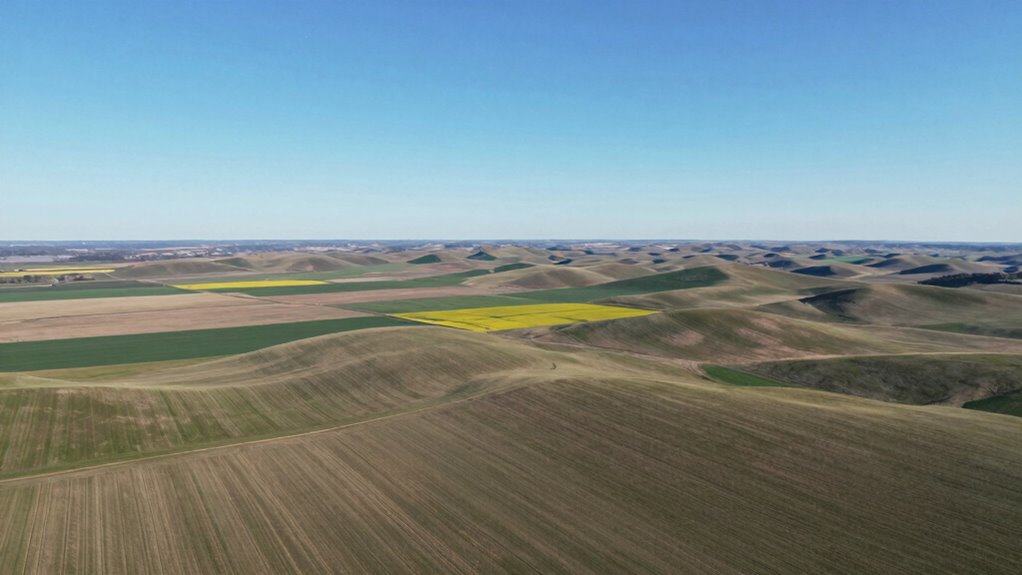
Drone photos can sometimes appear flat and lack depth, making your images seem less dynamic than you’d like. When you’re capturing an incredible view from above, it’s natural to expect the photo to fully convey the scene’s grandeur. However, without proper lighting techniques and strong aerial composition, your images can fall flat, even if the scenery is stunning. The key is to understand how these elements influence the perception of depth and vibrancy in your photos.
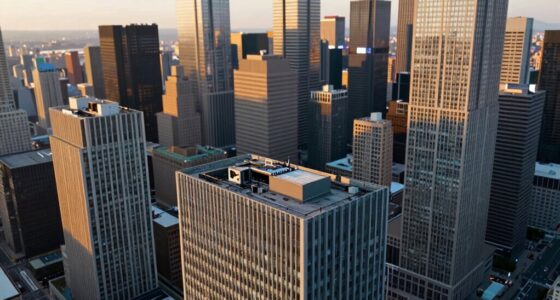
Lighting plays an essential role in creating a sense of dimension. If you shoot during midday, when the sun is directly overhead, the lack of shadows can make everything look two-dimensional. To avoid this, aim for the golden hour—shortly after sunrise or before sunset—when the light is softer and casts long shadows. These shadows help define the terrain, buildings, and features in your shot, giving your photo a three-dimensional feel. Use natural light to highlight textures and contours, and consider adjusting your camera settings to maximize contrast and clarity. Properly managing exposure can also prevent washed-out details or overly dark areas, ensuring your scene retains its depth. Understanding the importance of lighting techniques can significantly improve the sense of depth in your photos. Additionally, experimenting with different times of day and weather conditions can further enhance the dimensionality and mood of your images.
Shooting during golden hour enhances shadows and textures, adding depth and dimension to your drone aerial shots.
Aerial composition is equally essential in preventing flat-looking images. Instead of filling your frame with a single feature, think about how to arrange elements to guide the viewer’s eye through the scene. Use leading lines, such as roads, rivers, or rows of trees, to create a visual pathway that adds depth and perspective. Incorporate foreground, middle ground, and background layers to enhance the sense of space. For example, including an object in the foreground can anchor the viewer’s eye and provide a sense of scale and distance. Experiment with different angles and altitudes to find perspectives that emphasize the landscape’s dimensionality. Remember, the way you compose your shot can make a significant difference in how dynamic and alive your photo appears. Developing a keen eye for aerial perspective can help you capture images that feel more realistic and engaging.
In addition, paying attention to aerial composition allows you to balance elements within the frame, creating harmony and visual interest. By thoughtfully selecting your vantage point, you can highlight the scene’s natural contours and features, avoiding a flat appearance. Combining effective lighting techniques with deliberate composition ensures your drone captures not just an impressive view but a compelling, immersive image that feels full of life and depth. When you master these aspects, your drone photos will transform from simple snapshots into captivating visuals that truly showcase the beauty below.
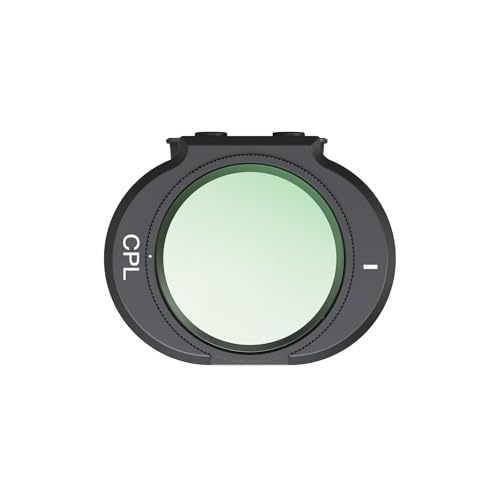
Potensic CPL Filter Compatible with Atom 2, Drone Lens Accessory
Potensic CPL Filter x 1
As an affiliate, we earn on qualifying purchases.
As an affiliate, we earn on qualifying purchases.
Frequently Asked Questions
How Does Lighting Affect Drone Photo Depth?
Lighting dramatically affects drone photo depth by creating shadow contrast and enhancing color saturation. When the light is strong and angled, it casts shadows that add dimension, making your images appear more three-dimensional. Soft, diffused light reduces shadows, making photos look flatter. To improve depth, shoot during golden hour, when natural lighting boosts color saturation and creates appealing shadow contrast, giving your drone photos a richer, more dynamic feel.
Can Camera Settings Improve the Perception of Depth?
Think of your camera settings as a painter’s brush; adjusting color contrast and focal length can add depth. For example, increasing contrast makes distant objects pop, while a longer focal length compresses the scene, emphasizing foreground and background differences. You can experiment with these settings to create a sense of dimension, making your drone photos feel more immersive, even when the view itself is stunning.
Does Altitude Impact the Flatness of Drone Images?
Yes, altitude effects can impact the flatness of your drone images. When you fly too high, the perspective distortion diminishes, making the scene look flatter and less immersive. Lower altitudes offer a more dramatic perspective, emphasizing depth and detail. To avoid flat-looking photos, experiment with different altitudes, balancing height for a broad view while maintaining enough proximity to capture strong perspective and reduce flatness.
Are Certain Lenses Better for Capturing Three-Dimensionality?
Think of your lens as a window into a world of depth. A lens with a longer focal length reduces distortion, bringing distant objects closer and enhancing three-dimensionality. Conversely, wide-angle lenses can exaggerate distortion, flattening images. So, choosing a lens with appropriate focal length helps capture the scene’s true depth, making your drone photos feel alive and full of dimension rather than flat and distant.
How Does Post-Processing Influence Photo Depth?
Post-processing boosts photo depth by enhancing atmospheric effects and refining color grading. You can add subtle gradients or contrast adjustments to create a sense of layers and distance. Applying atmospheric effects like haze or vignetting simulates real-world depth cues, making your drone photos feel more three-dimensional. These edits highlight foregrounds and background details, transforming flat images into vibrant, immersive scenes that truly capture the beauty of your view.

K&F CONCEPT 15-1 Professional Cleaning Kit for DSLR Cameras and Sensitive Electronics, Bundle with Lens Cleaner – Camera Accessories & Photography Accessorie for DSLR Camera Lens Filter Cell Phones
【Professional Lens Cleaning Kit】 Dslr cleaning kit includes Lens Cleaning Pen*1, Camera Blower*1, 60ML Purified Water, 40*40cm Extra-large…
As an affiliate, we earn on qualifying purchases.
As an affiliate, we earn on qualifying purchases.
Conclusion
So, next time your drone shots seem as flat as a pancake, remember to mix up your angles and get closer to your subject. Think of it like the famous rule of thirds—classic yet effective—just like a good old-fashioned rotary phone. Don’t be afraid to experiment and add some depth to your photos. With a little practice, your aerial shots will pop like a vintage comic strip, bringing that incredible view to life!
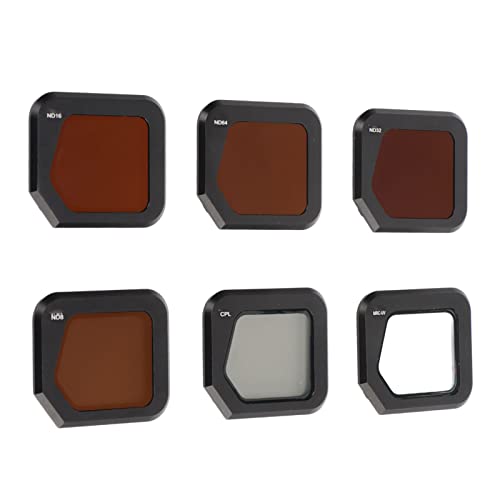
ND Filters Kit for, 6Pcs Optical Glass Drone Filter Set for 3 Classic, CPL ND Lens Filters for Professional Photography
Lens: The lens is used for in the seaside, mountain, snowfield and open areas, and can reduce the…
As an affiliate, we earn on qualifying purchases.
As an affiliate, we earn on qualifying purchases.
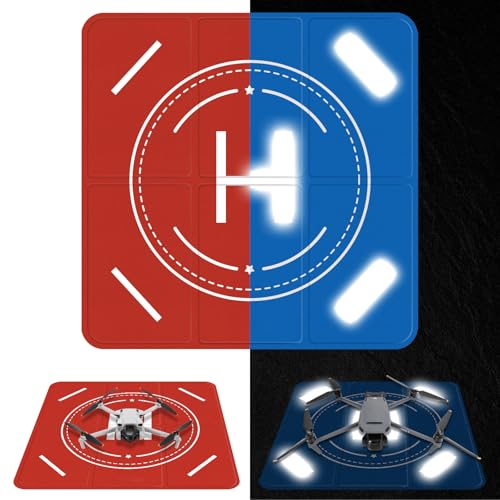
FPVtosky Nighttime Reflective Drone Landing Pad, Fast-fold Double Sided Waterproof Landig Pad Weighted for DJI Mini 5 Pro/ 4/3 Pro/Mini 4k / Mavic 4 / Air 3s/ Avata 2/ Neo/Flip
Waterproof & Easy to Clean: The landing pad is made of high-quality double-sided PU leather, waterproof and dustproof,…
As an affiliate, we earn on qualifying purchases.
As an affiliate, we earn on qualifying purchases.