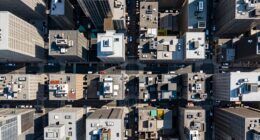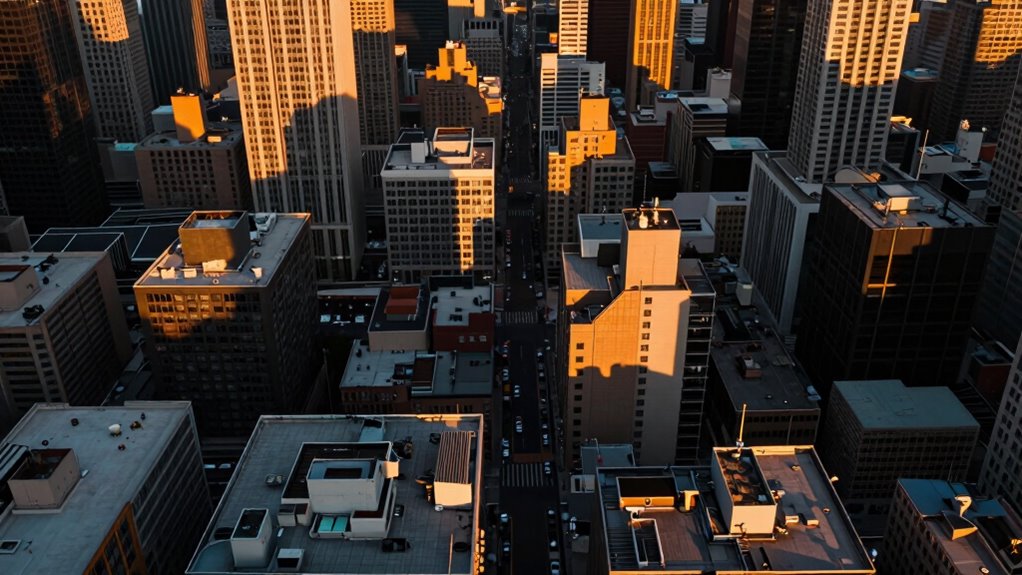
To make your aerial images more dramatic, focus on capturing shadows during the golden hours when the sun is low, creating long, striking shadows that add depth and dimension. Play with shadow angles to guide viewers’ eyes and highlight landscape details or architectural features. Use shadows to create contrast and mood, emphasizing textures and shapes. By planning your shots around the sun’s position, you’ll reveal powerful visual effects that turn ordinary scenes into mesmerizing images—if you keep exploring, you’ll discover even more techniques.
Key Takeaways
- Capture images during golden hours when low sun angles create long, dramatic shadows.
- Position shadows to highlight land contours or architectural features for added depth.
- Use shadow lines to guide the viewer’s eye toward focal points or to add movement.
- Experiment with different angles to create stark contrasts and intriguing shapes.
- Incorporate shadow interactions to enhance texture, mood, and visual storytelling.
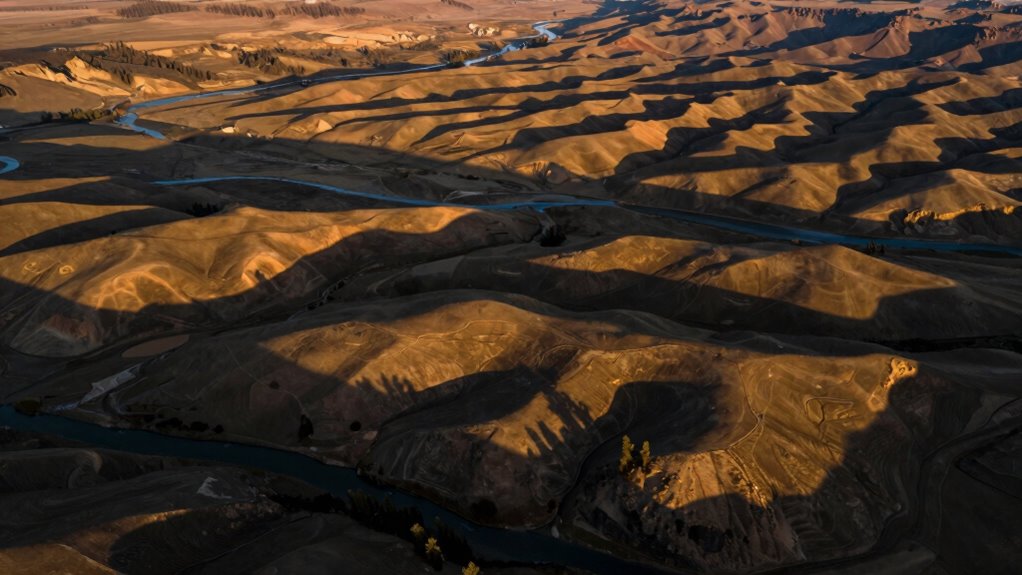
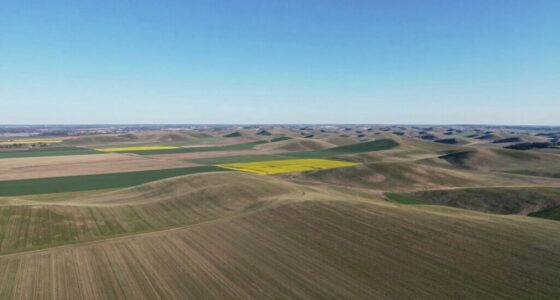
Shadow angles are equally vital when aiming to make aerial images more dramatic. The angle at which shadows fall determines how they shape the landscape and objects in your shot. During early morning or late afternoon, the sun’s low position in the sky creates elongated shadows that stretch across the terrain, adding a sense of depth and dimensionality. These long shadows can highlight the undulations of the land or accentuate architectural features, making your images more compelling. Conversely, when the sun is directly overhead, shadows become shorter and less noticeable, which can flatten the scene and reduce visual interest. To craft a more dramatic effect, plan your flight times around these golden hours, when shadow angles are most dynamic. Understanding lighting contrast and how shadows interact with it will further enhance your ability to craft striking images. Additionally, familiarizing yourself with the solar position can help you anticipate shadow directions and lengths more accurately. Recognizing how natural lighting influences shadow formation can also empower you to make better creative decisions in your aerial photography. Mastering shadow manipulation can unlock even more creative potential by allowing you to intentionally emphasize or conceal certain features through shadow placement. Paying attention to the direction of light can also help you create more compelling compositions by emphasizing textures and forms. You can also experiment with shadow placement to guide the viewer’s eye through your composition. By positioning shadows to lead toward focal points or to frame certain elements, you create a narrative within your image. Remember that shadows can serve as visual lines, guiding attention and adding movement. When shadows fall at interesting angles, they can produce stark contrasts and intriguing shapes that elevate a mundane scene into something more artistic. Play with different times of day and angles to discover how shadow length and direction influence mood and storytelling. Keep in mind that shadows are not just obstacles but tools you can manipulate to craft more dramatic and visually engaging aerial images.
Ultimately, mastering how to use shadows involves understanding the interplay of lighting contrast and shadow angles. When you intentionally incorporate these elements into your planning and composition, you transform ordinary aerial shots into powerful, dramatic visuals that captivate your audience.

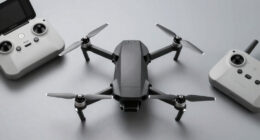
GPS Drone with EIS Camera 4.5" LCD Screen on Controller, FPV Drones Al Track&Orbit Mode with Professional with Auto Return Follow Me for Adult Beginner, GPS Brushless Drone Long Range Circle Fly,Under 249g
GPS Drone with 4.5 Inch Screen on Controller: The GPS drone long range remote features a 4.5 inch…
As an affiliate, we earn on qualifying purchases.
As an affiliate, we earn on qualifying purchases.
Frequently Asked Questions
How Do Different Weather Conditions Affect Shadow Creation?
Different weather conditions considerably influence shadow contrast and cloud cover, affecting your aerial images. Clear, sunny days create sharp, high-contrast shadows, emphasizing textures and shapes. Overcast skies diffuse light, softening shadows or eliminating them altogether, which reduces drama. Cloud cover can cast varying shadows, adding depth or creating a more muted scene. By understanding these effects, you can better plan your shots to enhance mood and visual impact, regardless of weather.
Can Shadows Be Added or Enhanced During Post-Processing?
Yes, shadows can be added or enhanced during post-processing. You can use shadow manipulation techniques with editing software like Photoshop or Lightroom to emphasize or create shadows that weren’t present in the original image. Post-processing techniques allow you to adjust shadow intensity, direction, and contrast, giving your aerial images a more dramatic and dynamic look. Just be careful to keep the shadows natural-looking for a convincing effect.
What Equipment Is Best for Capturing Dramatic Shadows?
Think of your camera as a painter’s brush, capturing the perfect interplay of shadow angles and light contrast. Use a drone or a high-quality camera with a telephoto lens to control shadow placement, emphasizing dramatic angles. Opt for early morning or late afternoon light, when shadows are long and rich. This equipment and timing help you craft aerial images with powerful, striking shadows that evoke emotion and depth.
How Does the Time of Day Influence Shadow Length and Intensity?
The time of day greatly affects shadow length and intensity because the sun angle shifts throughout the day. During early morning or late afternoon, the sun is lower, creating longer shadows and higher shadow contrast, which adds drama to your aerial images. At midday, the sun is higher, resulting in shorter shadows and less contrast. Planning your shoot around these times helps you harness shadows to enhance your photos’ visual impact.
Are There Specific Locations Ideal for Dramatic Shadow Effects?
You’ll find dramatic shadows best in urban canyons and mountain valleys. Picture towering buildings casting long, jagged shadows across narrow streets, or rugged mountain slopes creating stark contrasts as the sun dips low. These locations amplify the play of light and shadow, giving your aerial images a striking, cinematic feel. Seek out areas with varied elevation and architectural or natural features, because they’ll turn ordinary scenes into powerful, shadow-rich compositions.

Walking Way Rose Glow Soft Filter 49MM – Coated Nostalgia Camera Lens Filter for Portraits & Golden Hour, Creates Subtle Pink Hues & Dreamy Soft Focus
Create a Soft Rose Glow Effect: The Walking Way rose glow soft filter is engineered with a premium…
As an affiliate, we earn on qualifying purchases.
As an affiliate, we earn on qualifying purchases.
Conclusion
By mastering shadows, you become a painter of the sky, weaving depth and drama into your aerial images. Let shadows dance across your scenes like whispers of secrets waiting to be uncovered, transforming ordinary views into mesmerizing stories. With each shadow cast, you add a layer of mystery and emotion, turning flat landscapes into vivid, enthralling artworks. So, embrace the play of light and dark—you hold the brush, and the sky is your canvas.
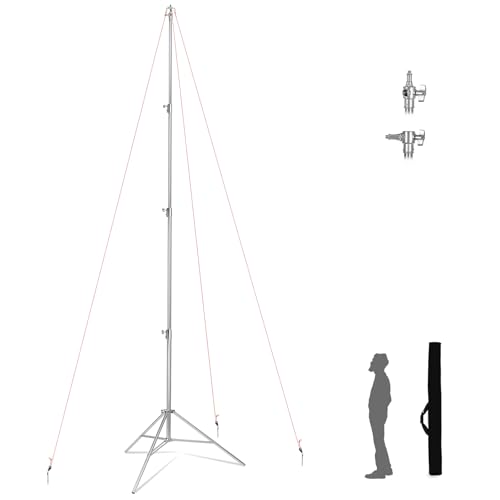
24ft Tall Telescoping Camera Tripod Stand, Heavy Duty Stainless Steel with 3 Guy Wires & 1/4" 3/8" Screw Adapter for Aerial/Sports/Hunting Photography
With a maximum height of 24 feet (approximately 7.3 meters) and a three-section telescopic design, it is easily…
As an affiliate, we earn on qualifying purchases.
As an affiliate, we earn on qualifying purchases.
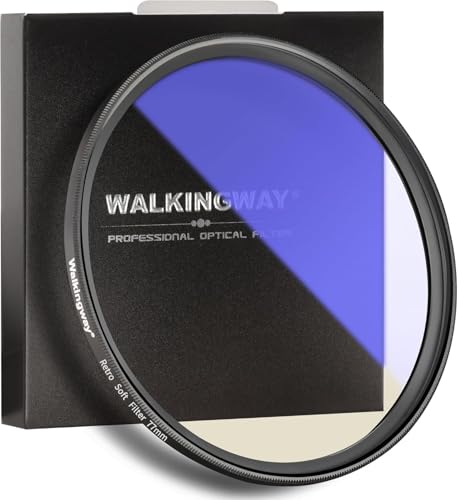
WalkingWay 55mm Retro Soft Filter Vintage Pro-Mist Warm Diffusion Lens Filter Film Camera Effect for Portrait Architecture Landscapes
Soften Sharpness: This retro soft filter reduces the sharpness of your digital camera, bringing a nostalgic old film…
As an affiliate, we earn on qualifying purchases.
As an affiliate, we earn on qualifying purchases.