
TL;DR

Get the latest gadgets delivered free — and shop member deals
- Fast, free delivery on millions of items
- Access to Prime Big Deal Days deals on October 6–7
- Prime Video, Amazon Music and more included
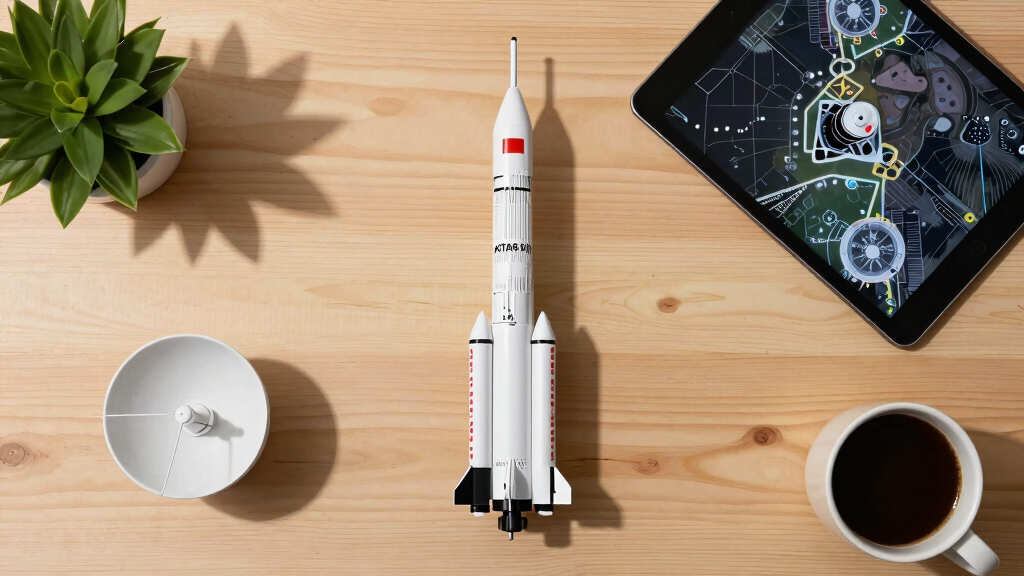
United Launch Alliance (ULA) has successfully launched its final Atlas 5 rocket, which is supporting Amazon’s Leo broadband satellite project. This marks the end of the Atlas 5’s operational history, with implications for satellite launch options and industry competition.
United Launch Alliance (ULA) successfully launched its final Atlas 5 rocket on [date], supporting Amazon’s Leo broadband satellite constellation. The launch signifies the end of the Atlas 5’s nearly two-decade operational history and marks a pivotal moment in the satellite launch industry.
The Atlas 5 rocket, developed by ULA, was launched from Cape Canaveral Space Force Station. The mission carried Amazon’s Kuiper Leo satellite, part of Amazon’s ambitious plan to provide global broadband internet coverage. This launch is confirmed as the last Atlas 5 flight, with ULA transitioning to newer launch vehicles such as Vulcan.
According to ULA, the Atlas 5 has completed over 80 launches since its debut in 2002, supporting government, commercial, and military missions. The final mission demonstrates the rocket’s continued reliability and importance for critical satellite deployments. ULA has stated that the Atlas 5 will be retired, with Vulcan Centaur expected to take over future missions.
Implications for Satellite Launch Industry and ULA Transition
This launch underscores the end of the Atlas 5 era, a workhorse for satellite deployment for over 20 years. It highlights ULA’s shift toward newer, more cost-effective launch vehicles like Vulcan Centaur. For industry stakeholders, the transition marks a significant change in launch options, potentially affecting satellite deployment timelines and costs. Additionally, supporting Amazon’s Leo constellation emphasizes the growing importance of broadband satellite networks in global connectivity efforts.
As an affiliate, we earn on qualifying purchases.
Atlas 5’s History and Transition to New Launch Vehicles
The Atlas 5 rocket was introduced in 2002, becoming a mainstay for launching government and commercial satellites, including military payloads and space science missions. Over its lifespan, it achieved a reputation for reliability, with more than 80 successful launches. ULA announced plans to retire the Atlas 5 in favor of the Vulcan Centaur, which aims to offer enhanced performance and lower costs. The final Atlas 5 launch supports Amazon’s efforts to expand its Kuiper satellite network, part of a broader push to provide global internet coverage.
“This final Atlas 5 launch marks the culmination of a successful chapter in space launch history, and we are proud to support Amazon’s vision for global broadband connectivity.”
— Tory Bruno, ULA CEO
As an affiliate, we earn on qualifying purchases.
Remaining Questions About Future ULA Launch Capabilities
It is not yet clear how the transition from Atlas 5 to Vulcan Centaur will impact launch schedules and costs. Details about Vulcan’s readiness and its ability to fully replace Atlas 5 for all mission types remain ongoing. Additionally, the long-term operational plan for Amazon’s Leo constellation and how upcoming launches will be managed are still developing.
As an affiliate, we earn on qualifying purchases.
Next Steps in ULA’s Launch Transition and Amazon Satellite Deployment
ULA is expected to conduct initial Vulcan Centaur launches in the coming months, aiming to replace Atlas 5 for future satellite missions. Amazon will continue deploying its Leo satellites, with upcoming launches likely supported by Vulcan or other providers. Industry analysts will monitor how the transition affects launch availability and costs for satellite operators.
As an affiliate, we earn on qualifying purchases.
Key Questions
Why is the Atlas 5 being retired?
The Atlas 5 is being retired to make way for newer, more cost-effective launch vehicles like Vulcan Centaur, which promise improved performance and lower costs.
What is Amazon Leo’s satellite constellation?
Amazon Leo is a broadband internet satellite constellation aimed at providing global high-speed internet coverage, especially in underserved areas.
When will Vulcan Centaur begin launching missions?
Vulcan Centaur is expected to conduct its first launches within the next few months, with full operational capability targeted for later this year or early next year.
How many Atlas 5 rockets were launched in total?
Over 80 Atlas 5 missions have been conducted since 2002, supporting a wide range of government, military, and commercial payloads.
What does this mean for satellite launch options?
The transition to Vulcan Centaur will expand launch capabilities but may temporarily impact scheduling and costs for satellite operators during the transition period.
Source: google-trends
Halloween Picks
halloween
As an affiliate, we earn on qualifying purchases.