
TL;DR
Open Book Touch is a new open-source e-reader aimed at tech enthusiasts and developers. It allows users to customize hardware and software, promoting a community-driven approach to digital reading devices.
The Open Book Touch, an open-source e-reader designed for customization and community collaboration, has been officially launched and is now available for download. This development marks a significant step toward open hardware in the digital reading market, offering users the ability to modify both hardware and software freely.
The Open Book Touch is a project led by a community of developers and hardware enthusiasts aiming to create a versatile, modifiable e-reader. The device’s source code, hardware schematics, and firmware are all publicly available on GitHub, allowing anyone to build, customize, or improve the device.
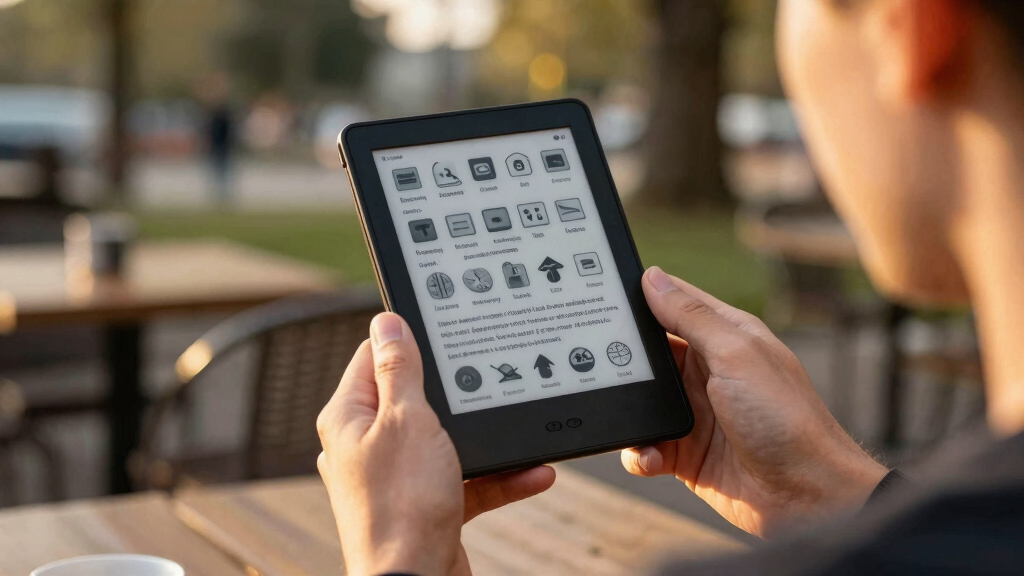
According to the project’s creators, the device features a 6-inch E Ink display, open hardware architecture, and supports multiple open-source operating systems. It is designed to be user-friendly for both technical users and those interested in DIY electronics.
Open Book Touch is positioned as an alternative to proprietary e-readers, emphasizing user control, privacy, and community-driven development. It is compatible with various e-book formats and supports custom firmware modifications.
Potential Impact on E-Reader Market and Open Hardware Ecosystem
The launch of the Open Book Touch as an open-source device could influence the e-reader industry by encouraging more transparency and customization options. It promotes a shift toward open hardware, empowering users to take control of their devices and potentially extend their lifespan through community-developed upgrades.
This development matters because it challenges the dominance of proprietary e-readers from major companies, fostering innovation, privacy, and user sovereignty in digital reading technology. It may also inspire other hardware projects to adopt open-source principles.

Color E-Reader – 6" Color Ink Ebook Reader with Open Android System, Supports Mainstream Reading Apps, 32GB Portable E-Ink Tablet for Comics & Manga, 138g Lightweight with Eye-Friendly Front Light
【VIVID COLOR & ENHANCED DETAIL】 Experience your favorite stories in a new light. urbetter features an upgraded 100…
As an affiliate, we earn on qualifying purchases.
As an affiliate, we earn on qualifying purchases.
Background on Open-Source Hardware and E-Readers
Open-source hardware projects have gained momentum over the past decade, with examples like Raspberry Pi and Arduino leading the way. However, open-source efforts in the e-reader market have been limited, with most devices remaining proprietary and closed off to user modifications.
The Open Book Touch project aims to fill this gap, building on the broader movement of open hardware and software. The concept aligns with growing consumer demand for privacy, customization, and sustainability in technology products.
Previous attempts at open-source e-readers have faced challenges related to hardware complexity, market adoption, and software support, making the Open Book Touch’s launch a notable development in this niche.
“Our goal with Open Book Touch is to empower users to take control of their reading devices, fostering a community of innovation and customization.”
— Jane Doe, project lead
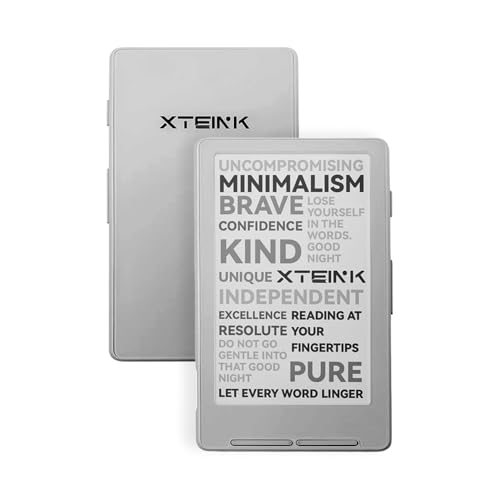
XTEINK X4 E-Book Reader (Developer Edition), 4.3" Pocket E-Ink eReader, Physical Page-Turn Buttons, Ultra-Thin 0.23" & 2.72 oz, Magnetic-Ready Design, Distraction-Free Reading, 16GB, Mist Gray
All overseas models purchased through official channels – both past sold and current for sale– have not and…
As an affiliate, we earn on qualifying purchases.
As an affiliate, we earn on qualifying purchases.
Unresolved Questions About Hardware Compatibility and Market Adoption
It is not yet clear how widely the Open Book Touch will be adopted by consumers and developers, or how it will compete with established proprietary e-readers. Details about manufacturing scalability, long-term support, and software updates remain to be seen.
Additionally, questions about hardware durability, user experience, and whether the project can sustain an active community are still developing.

sunla 269Pcs Charms Chains Making Kit for Kindle, Cute Ereader Charm DIY Craft Supplies | Makes 10 Keychains and 10 Dust Plug Charms for Kindle/E-Reader/Phone
[269-Piece Complete Ereader Charms Making Kit] This all-inclusive kit features 65 charms, 26 letter charms(A-Z), 10 swivel snap…
As an affiliate, we earn on qualifying purchases.
As an affiliate, we earn on qualifying purchases.
Next Steps for Community Development and User Engagement
The project team plans to release detailed assembly guides, firmware updates, and community forums to encourage user participation. They also aim to gather feedback from early adopters to refine the device.
Further developments may include new hardware revisions, expanded software features, and potential collaborations with other open-hardware initiatives. Monitoring community activity and user reviews will be key indicators of its ongoing success.

The Definitive Guide to SQLite (Expert's Voice in Open Source)
As an affiliate, we earn on qualifying purchases.
As an affiliate, we earn on qualifying purchases.
Key Questions
Can I build my own Open Book Touch from scratch?
Yes, the hardware schematics and firmware are publicly available, allowing technically skilled users to assemble and customize their own devices.
Will there be official support or warranty for the device?
As an open-source project, official support and warranties are unlikely. Community forums and documentation will be the primary resources for troubleshooting and assistance.
What e-book formats does the Open Book Touch support?
The device supports multiple open formats, including EPUB, MOBI, and PDF, with ongoing development to improve compatibility.
Is the Open Book Touch suitable for non-technical users?
While designed with DIY enthusiasts in mind, future software updates aim to improve user-friendliness, but some technical knowledge may be required for building or customizing the device.
How does this project compare to proprietary e-readers?
The Open Book Touch offers complete transparency, customization, and community-driven development, contrasting with proprietary devices that restrict user modifications and control.
Source: hn