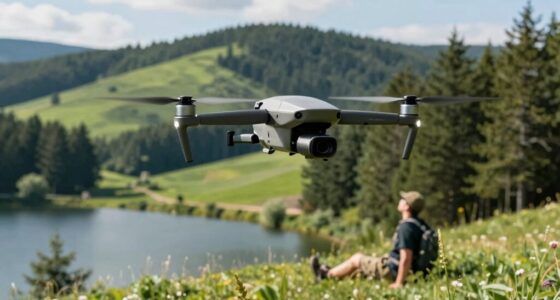

As a new drone pilot, you often realize too late that safety and battery management are essential for long, trouble-free flights. You might overlook checking your surroundings, respecting no-fly zones, or monitoring weather, risking accidents. Poor battery habits, like over-discharging or improper storage, can damage your drone or cause crashes. To fly confidently and responsibly, understanding these essentials early on is key. Keep going to discover how to master these important skills and protect your drone and others.
Key Takeaways
- New pilots often underestimate the importance of thorough pre-flight safety checks and situational awareness.
- Many overlook legal regulations and no-fly zones, risking fines or flight restrictions.
- Battery management is frequently neglected, leading to early discharges and potential crashes.
- Pilots may initially ignore environmental factors like weather, affecting flight safety and drone performance.
- Long-term responsibility for drone maintenance and safety practices is often learned only after incidents occur.
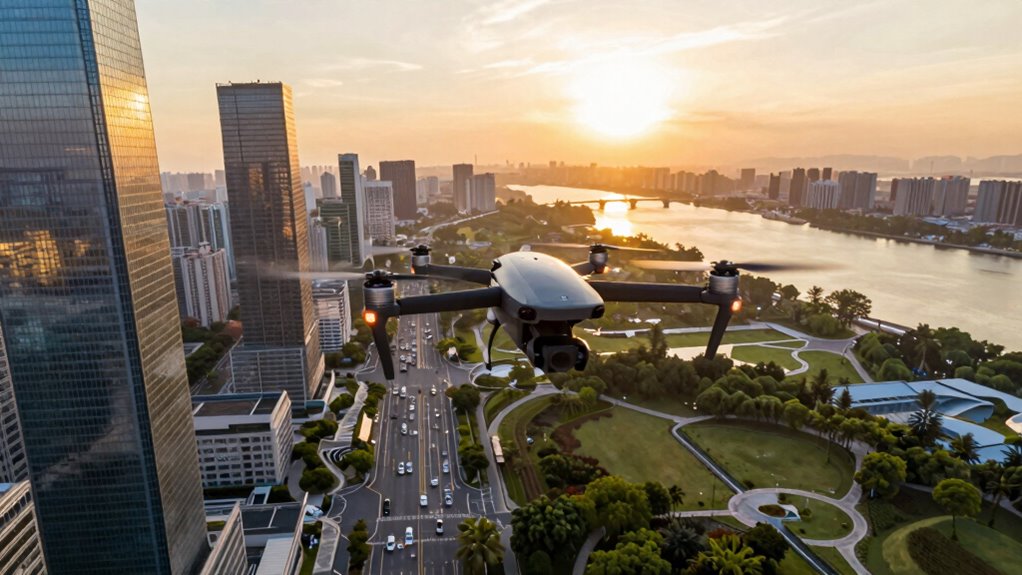
Many new drone pilots quickly realize that flying is just the beginning of what’s truly important, but often learn this too late. While mastering controls and capturing stunning footage are exciting milestones, understanding the fundamentals of aerial safety and battery management is essential for both your safety and that of others. Ignoring these aspects can lead to accidents, damage, or even legal trouble, making it critical to prioritize them from the start.
Prioritize safety and battery care early to ensure enjoyable, responsible, and risk-free drone flying experiences.
Aerial safety isn’t just a set of rules; it’s a mindset you must adopt every time you fly. Before taking off, you should always check your surroundings—are there people, animals, or structures in the flight path? Are you flying within legal boundaries and respecting no-fly zones? Failing to appreciate these details can result in crashes or injuries. As a pilot, you’re responsible for preventing hazards, so always plan your flights carefully, maintain visual line-of-sight, and stay aware of weather conditions that could affect your drone’s stability. Remember, a responsible pilot doesn’t just focus on getting good shots—they also ensure everyone’s safety. Recognizing the importance of aerial safety mindset can help you develop better habits and prevent accidents. Developing a safety-conscious attitude is crucial for long-term success and responsible flying. Additionally, understanding the legal regulations surrounding drone use can save you from potential fines or penalties.
Battery management is another critical area that many beginners overlook until it’s too late. Your drone’s battery is its power source, and mishandling it can cause serious problems. Never ignore the battery’s health or overextend its capacity. Always monitor your battery levels during flights and land as soon as it drops to a safe threshold—don’t push it to the last percent. Over-discharging can damage the battery, shorten its lifespan, or cause dangerous malfunctions. Additionally, store batteries in a cool, dry place, and avoid exposing them to extreme temperatures. Proper charging routines, such as using the right charger and avoiding overcharging, help maintain battery integrity. Recognizing the importance of battery health and proper handling routines can prevent costly accidents and extend your drone’s overall lifespan. Taking the time to understand the battery management process can significantly reduce risks and improve your flying experience. Effective battery maintenance not only ensures safety but also guarantees your drone is always ready for action. Overlooking battery management not only risks losing your flight data but can also lead to unpredictable crashes, which might damage your drone or harm bystanders. Remember, well-maintained batteries are key to safe and reliable flights.
In the end, flying a drone is more than just a fun activity; it’s a responsibility. Many beginners learn these lessons after experiencing setbacks or accidents, but it’s smarter to embed aerial safety and battery management into your routine from day one. When you make safety a priority, you extend your drone’s lifespan, protect others, and enjoy flying with confidence. The sky isn’t just the limit—your careful approach and respect for these essentials will keep your flights smooth, safe, and enjoyable for the long haul.

Drone Daily Inspection Checklist: Pre and Post-Flight Inspection Report Book for Pilots and Operators | 120 Pages.
As an affiliate, we earn on qualifying purchases.
As an affiliate, we earn on qualifying purchases.
Frequently Asked Questions
What Legal Restrictions Should New Drone Pilots Be Aware Of?
Imagine your drone as a sneaky, tiny spy, and you’ll see why airspace regulations and privacy concerns matter. You must stay below 400 feet, avoid airports, and respect others’ privacy—no peeking into backyard barbecues! Ignoring these rules risks fines or confiscation. So, keep your drone in check, fly responsibly, and remember, the sky isn’t just your playground—it’s also a legal battleground.
How Do Weather Conditions Affect Drone Flying Safety?
Weather conditions greatly impact your drone’s safety. Unpredictable weather patterns, like sudden rain or fog, can impair visibility and damage your equipment. Wind turbulence, especially in gusty conditions, makes controlling your drone difficult and increases the risk of crashes. Always check the weather forecast before flying, avoid windy days, and be prepared to land quickly if conditions worsen. Staying alert to weather changes keeps you and your drone safe.
What Are Common Maintenance Issues for Beginner Drones?
Ever wondered what often trips up beginner drone pilots? You’ll likely encounter issues like reduced battery longevity and propeller damage. These are common maintenance problems that can be easily overlooked. Regularly check your batteries and avoid overcharging to prolong their life. Inspect propellers for cracks or chips before each flight. Staying attentive to these little details keeps your drone flying smoothly and prevents costly repairs down the line.
How Can New Pilots Improve Their Flying Skills Quickly?
You can improve your flying skills quickly by practicing aerial photography to develop your precision and control. Focus on mastering basic maneuvers and gradually increase difficulty to boost your flight agility. Use a simulator if possible, and review your footage to identify areas for improvement. Consistent practice helps build confidence, and staying patient guarantees you develop both skill and safety awareness as you advance.
What Insurance Options Are Available for Drone Operators?
You should explore drone liability insurance to protect yourself from potential damages or accidents. Many providers offer specialized insurance coverage for drone operators, covering both liability and physical damage. It’s essential to compare policies to find one that fits your needs, especially if you plan to fly commercially. This coverage helps safeguard your equipment and finances, giving you peace of mind as you navigate new skies and expand your drone skills.

Hover – Drone and UAV News, no-fly zone maps, and weather!
– Flight Readiness Indicator: We give you a simple to understand flight status to let you know if…
As an affiliate, we earn on qualifying purchases.
As an affiliate, we earn on qualifying purchases.
Conclusion
So, as you take to the skies, remember that mastering the controls is just the beginning. Respect the rules, respect the privacy, and respect the environment. Learn to navigate the unexpected, anticipate challenges, and adapt quickly. Because flying isn’t just about reaching new heights—it’s about flying responsibly, safely, and confidently. Keep learning, keep practicing, and keep pushing forward. After all, the sky isn’t the limit; it’s just the beginning of your journey.
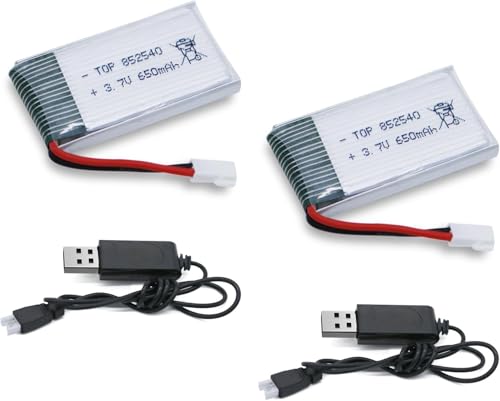
Tosiicop 3.7v Drone Lipo Battery – 2 Pack 650mAh Rechargeable Batteries for SYMA X5 Serial UVA Quadcopter Drones XH2.54 Connector with 2 Chargers SYMA X5C X5SW X5SC WLtoys V252 XT Flyer
✈【Drone Lipo Battery】Suitable for syma X serial XH2.54 connector UVA quadcopter drone – SYMA, X5C, X5SW, X5SC, WLtoys…
As an affiliate, we earn on qualifying purchases.
As an affiliate, we earn on qualifying purchases.
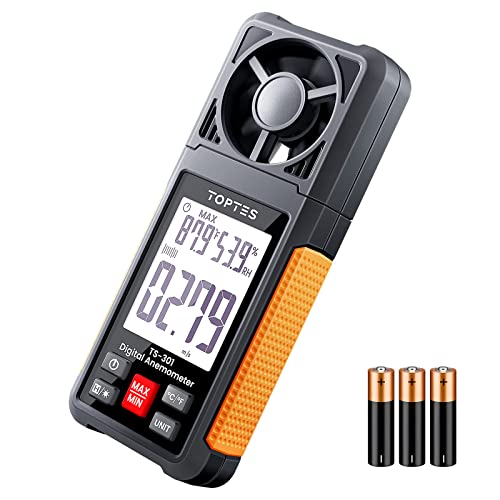
TopTes TS-301 Digital Anemometer, Wind Speed Meter with 2.26-inch Big Backlight LCD Screen, Air Flow Meter for Sailing Surfing Drone Flying RC Plane Golf Shooting HVAC
Easy to Read with 2.26-inch LCD Backlit Screen: The TopTes Anemometer features a large 2.26" LCD screen for…
As an affiliate, we earn on qualifying purchases.
As an affiliate, we earn on qualifying purchases.