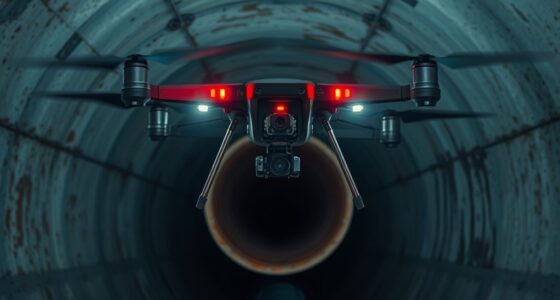
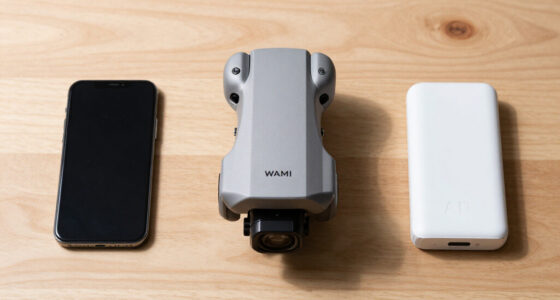
Deciding whether to build or buy a drone depends on your goals and skills. Building offers customization, better performance, and a deep understanding of the tech, but it needs time, effort, and technical know-how. Buying a drone is quicker, easier, and comes with support, making it ideal if you want ready-to-fly ease. If you’re curious about which option fits your needs and how to get started, explore further to find the best fit.

Get the latest gadgets delivered free with Prime
- Fast, free delivery on millions of items
- Prime Video, Amazon Music and more included
- Member-only deals all year
Key Takeaways
- Building offers customization and better performance tailored to specific needs, while buying provides quick deployment with minimal effort.
- Building requires technical skills and a learning curve but offers long-term cost savings and deeper understanding.
- Purchasing a drone ensures manufacturer support, warranties, and reduced maintenance hassle, suitable for immediate use.
- Building may incur higher initial costs and maintenance but allows component selection and potential upgrades.
- Choose building if you enjoy tinkering and customization; buy if you prioritize convenience and quick results.

Deciding whether to build or buy a drone depends on your specific needs, skills, and budget. When contemplating this choice, start by performing a thorough cost analysis. Building a drone can sometimes be more cost-effective if you already own some components or have access to parts at a reasonable price. However, if you’re new to drones, the initial investment in quality parts might add up quickly, making a pre-built option more attractive. On the other hand, buying a ready-made drone often involves a higher upfront cost, but it can save you time and effort, especially if you need a drone immediately or lack technical skills. Keep in mind that with a build, you have the opportunity to select components based on your specific needs, which can lead to better performance for particular tasks, such as aerial photography, racing, or payload delivery.
Customization options are a major advantage of building your own drone. When you build, you get full control over every component, from the motors and flight controllers to the camera or sensors. This allows you to tailor the drone’s capabilities precisely to your requirements, whether that’s enhancing stability, extending flight time, or supporting specialized equipment. If you’re tech-savvy and enjoy tinkering, this level of customization can be highly satisfying and result in a drone that outperforms generic models. Conversely, buying a drone means you’re limited to what’s available on the market. While many consumer drones offer some customization through firmware settings or accessories, they generally lack the flexibility of a custom-built machine.
Another factor to consider is the learning curve. Building your drone requires a solid understanding of electronics, aerodynamics, and software configuration. If you’re willing to invest time into learning these skills, building can be a rewarding project that offers deep insight into drone technology. But if you’re looking for a quick solution and don’t want to spend time troubleshooting, buying a drone might be the better choice. Also, consider the long-term maintenance costs; a custom build might require more frequent repairs or upgrades, while commercial drones often come with warranties and support. Additionally, leveraging European cloud servers and secure cloud solutions can enhance the management and data security of your drone operations, especially in commercial or sensitive applications.
As an affiliate, we earn on qualifying purchases.
Frequently Asked Questions
What Are the Legal Considerations for Building or Flying a Drone?
When building or flying a drone, you must consider regulatory compliance and privacy concerns. Make certain you follow local laws, register your drone if required, and stay within altitude and distance limits. Respect others’ privacy by avoiding intrusive filming or data collection. Failing to comply can lead to fines or legal trouble. Stay informed about regulations in your area to enjoy flying safely and responsibly.
How Long Does It Take to Assemble a Custom Drone?
Assembly time for a custom drone varies based on your experience and the complexity of your customization options. If you’re a beginner, it might take several hours or even a day to complete, especially if you’re exploring advanced features. More experienced builders may assemble their drone in a few hours. Planning ahead and understanding your customization options can help streamline the process, making assembly smoother and quicker.
What Maintenance Is Required for Built vs. Purchased Drones?
Think of maintenance like tending a garden—you’ll need to regularly check parts, update firmware, and replace worn components. Built drones often require more frequent repairs, increasing the cost of replacement, but may lack warranty coverage. Purchased drones usually come with warranties that cover certain repairs, reducing maintenance costs. Either way, staying proactive with maintenance helps extend your drone’s lifespan and keeps it flying smoothly.
Can I Upgrade a Purchased Drone Later?
Yes, you can upgrade a purchased drone later, though the extent depends on its design. Many drones offer drone customization options, like replacing cameras or adding sensors, which enhance upgrade potential. Check if your drone supports modifications before buying. While some models are more flexible, others might limit upgrades. With the right knowledge and parts, you can improve performance or add features, making your drone more versatile over time.
Which Option Offers Better Long-Term Cost Efficiency?
Think of building your drone as planting a seed—initial costs may be higher, but it offers better cost savings long-term. Buying might seem easier, but frequent upgrades and repairs can increase investment risk. Building allows you to customize and upgrade easily, reducing overall expenses over time. So, if you’re looking for long-term efficiency and better control over costs, building your own drone is the smarter choice.
ready to fly drone for beginners
As an affiliate, we earn on qualifying purchases.
As an affiliate, we earn on qualifying purchases.
Conclusion
Ultimately, deciding whether to build or buy your drone depends on your needs and skills. Did you know that nearly 60% of hobbyists prefer building their own drones for customization? If you enjoy tinkering and want tailored features, building might be your best bet. However, if you need a ready-to-fly solution quickly, buying is more convenient. Consider your experience level and goals to make the best choice—either way, you’ll be flying in no time.
professional aerial photography drone
As an affiliate, we earn on qualifying purchases.
As an affiliate, we earn on qualifying purchases.
As an affiliate, we earn on qualifying purchases.
Halloween Picks
halloween
As an affiliate, we earn on qualifying purchases.