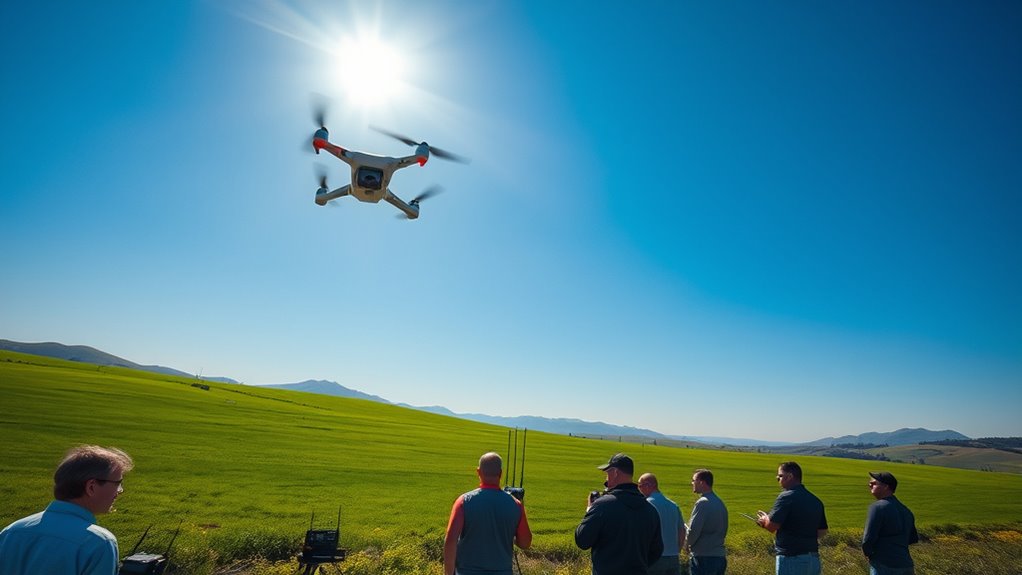
For casual FPV flying on licensed unlicensed bands, you typically don’t need a ham license. However, if you use higher power transmitters or operate on amateur radio frequencies, a ham license becomes necessary. A license grants more flexibility, including access to additional frequencies and higher power levels, while helping you stay compliant with FCC regulations. To understand the specific rules and what’s required for your setup, keep exploring the details ahead.
Open a free Amazon Business account
Business pricing, bulk buying and tax-exempt orders.
As an affiliate, we earn on qualifying purchases.
Key Takeaways
- Most casual FPV flying on 2.4 GHz and 5.8 GHz bands doesn’t require a HAM license.
- A HAM license grants access to additional frequencies and higher power levels for advanced FPV activities.
- Operating above FCC power limits or on unlicensed bands without a license may lead to legal issues.
- HAM licenses involve passing an exam on radio regulations and theory, providing legal permission for broader operation.
- Knowing FCC rules helps FPV pilots stay compliant, avoid interference, and operate legally within permitted frequencies and power levels.
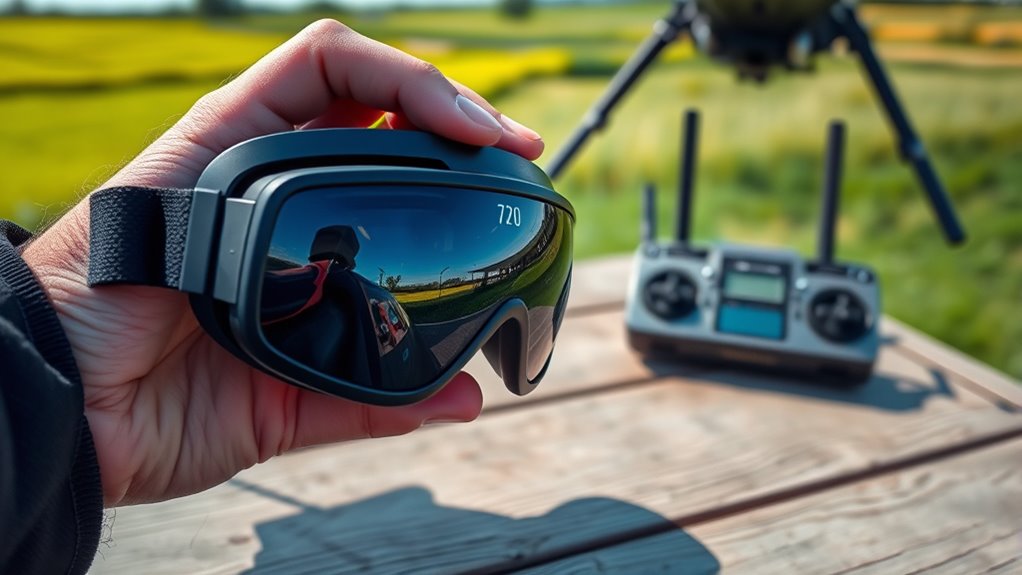
Have you ever wondered if FPV pilots need a HAM license to fly their drones legally? The short answer is, it depends. The Federal Communications Commission (FCC) regulates the use of radio frequencies in the United States, and FPV drone pilots often operate on specific bands that are subject to these rules. To understand whether you need a HAM license, you first need to grasp how frequency regulations work and what licensing requirements apply.
Frequency regulations determine which parts of the radio spectrum you can use without special permission. Many FPV pilots operate on the 2.4 GHz and 5.8 GHz bands, which are designated for unlicensed use by the FCC. These bands are popular because they’re readily accessible and don’t require a license for casual or recreational flying. However, while you might be able to fly on these frequencies without a license, there are limits to how much power you can transmit with, as well as restrictions on certain types of equipment. Operating outside these limits could cause interference with other devices and might lead to legal issues.
Most FPV pilots use unlicensed 2.4 GHz and 5.8 GHz bands for casual flying, with power restrictions.
If you plan to use higher power transmitters, or if you want to operate on frequencies outside the common unlicensed bands, then licensing requirements come into play. The FCC issues amateur radio licenses—commonly called HAM licenses—that grant you permission to operate on a broader range of frequencies and at higher power levels. These licenses involve passing an exam that tests your knowledge of radio theory, regulations, and proper operating procedures. Once licensed, you’re allowed to operate on designated amateur bands with more flexibility and fewer restrictions, which can be advantageous for certain FPV activities, especially if you’re involved in long-range or high-power flying.
Additionally, understanding the high refresh rates and low input lag of certain transmitters can significantly improve your FPV flying experience. However, it’s important to note that most recreational FPV flying doesn’t require a HAM license. As long as you stay within the permitted power limits and operate on designated unlicensed bands, you’re generally compliant with FCC rules. Still, it’s your responsibility to understand the specific regulations that apply to your equipment and flying environment. Being aware of frequency regulations and licensing requirements helps you avoid unintentional interference and potential legal consequences.
FPV drone transmitter power meter
As an affiliate, we earn on qualifying purchases.
As an affiliate, we earn on qualifying purchases.
Frequently Asked Questions
Can FPV Pilots Transmit on Amateur Radio Frequencies Without a License?
You can’t transmit on amateur radio frequencies without a license, even if you’re an FPV pilot. Radio regulations require licensing exemptions only for specific low-power, unintentional transmissions, but active amateur radio use demands proper licensing. To stay compliant, you should get a ham license if you plan to operate on amateur bands. This ensures you’re following FCC rules and avoid potential penalties for unauthorized transmissions.
Are There Specific FCC Rules for FPV Drone Video Transmission?
Yes, there are specific FCC rules for FPV drone video transmission. You must follow frequency regulations to avoid interference and guarantee you’re operating within designated bands like 2.4 GHz and 5.8 GHz. Additionally, transmission power limits are set to prevent signal overreach, so you should keep your power levels within legal bounds. Always check the latest FCC guidelines to stay compliant and avoid penalties while flying your FPV drone.
What Are the Penalties for Flying FPV Without Proper Licensing?
If you fly FPV without proper licensing, you risk penalties from regulatory compliance enforcement. The FCC actively monitors unauthorized transmissions, and violating licensing rules can lead to hefty fines, confiscation of equipment, or even legal action. Staying compliant guarantees you avoid these consequences and keeps your drone activities legal. Always check licensing requirements and adhere to FCC rules to protect yourself and support responsible drone flying.
Do All FPV Pilots Need a HAM License in Every Country?
No, not all FPV pilots need a HAM license in every country. International regulations vary, and some countries offer licensing exemptions for hobbyists or specific drone categories. You should verify local rules before flying, as some nations require licenses or permits, while others don’t. Always stay informed about your country’s rules to avoid penalties and ensure safe, legal FPV flying.
How Does Licensing Differ Between Hobbyist and Commercial FPV Pilots?
You’ll find that licensing for hobbyist and commercial FPV pilots is worlds apart—like night and day. Hobbyists usually follow relaxed broadcast licensing rules and frequency restrictions, allowing personal fun. Commercial pilots, however, need strict compliance with broadcast licensing, often requiring a HAM license, and must conform to specific frequency restrictions to avoid interference. This ensures safety and legal operation, making the airwaves a well-organized, high-stakes race track.
FPV drone 5.8 GHz video transmitter
As an affiliate, we earn on qualifying purchases.
As an affiliate, we earn on qualifying purchases.
Conclusion
So, do you need a ham license to fly FPV? If you’re serious about pushing the limits of your drone adventures and avoiding those astronomical fines, it’s best to know the rules. Getting your license might seem like a hassle, but it’s your shield against FCC penalties that could wipe out your entire fleet. Stay informed, stay legal, and keep your FPV flights soaring high—because a single mistake can turn your passion into a legal nightmare!
As an affiliate, we earn on qualifying purchases.
As an affiliate, we earn on qualifying purchases.
College move-in / dorm season Picks
dorm essentials
As an affiliate, we earn on qualifying purchases.