
When flying drones in national parks, you must follow strict regulations to protect wildlife and preserve natural serenity. Many parks ban drone use entirely or require permits, especially near sensitive areas or landmarks. Always keep your drone in sight, avoid disturbing animals, and steer clear of crowded spots. Violating these rules risks fines or park access loss. To make certain you stay compliant and respectful of nature, there’s more to learn about the specific restrictions in various parks.

Get the latest gadgets delivered free — and shop member deals
- Fast, free delivery on millions of items
- Access to Prime Big Deal Days deals on October 6–7
- Prime Video, Amazon Music and more included
Key Takeaways
- Many national parks prohibit drone use in sensitive or designated areas to protect wildlife and natural experiences.
- Permits may be required for drone flights, especially for commercial purposes or in restricted zones.
- Drones must be operated within park-specific altitude limits and kept at a safe distance from animals and visitors.
- Flying over wildlife, crowded areas, or landmarks is generally prohibited to prevent disturbance and ensure safety.
- Always research and follow park regulations to avoid fines, park access loss, and ecological harm.
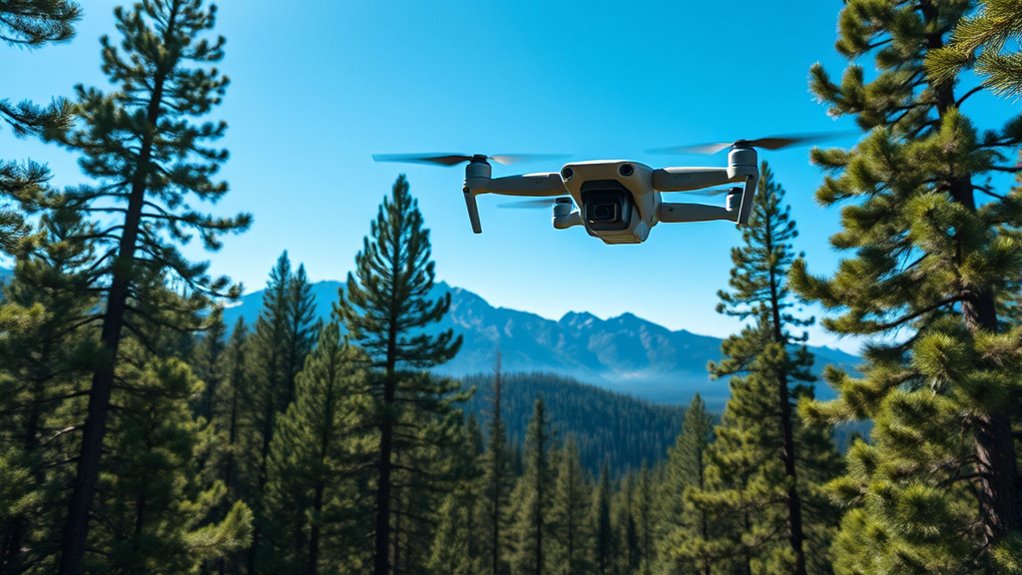
Have you ever wondered how drones are changing the way we explore and document our national parks? Drones offer incredible perspectives and help capture stunning visuals that were once impossible to obtain. However, with this new technology comes responsibility. Drone safety is a top priority in these protected areas, and understanding the restrictions is essential to ensure you’re respecting the environment and following park regulations. When flying a drone, you must be aware of designated flight zones and altitude limits. Many parks have specific rules about where and when drones can be operated, often restricting flying altogether in certain sensitive areas. Not following these guidelines can lead to fines or even loss of access to the parks.
One of the key concerns with drone usage in national parks is wildlife disturbance. Many animals are sensitive to sudden movements and noises, especially during nesting or breeding seasons. If your drone flies too close or makes loud noises, it can cause stress or displace wildlife from their habitats. This disturbance isn’t just harmful to the animals; it also affects the natural experience for other visitors who come to enjoy the parks’ peace and beauty. To avoid wildlife disturbance, you should maintain a safe distance from animals and adhere to park-specific rules about drone operations. It’s also wise to keep a low profile, avoiding rapid maneuvers and loud sounds that might startle animals. Respecting wildlife not only preserves their well-being but also ensures that everyone can enjoy the parks’ natural serenity. Additionally, understanding environmental impact can help minimize your footprint while flying drones in these sensitive areas.
Many parks enforce strict regulations to prevent accidents and protect ecosystems. For instance, some areas require permits before flying drones, especially if you plan to capture footage for commercial use. Others have designated drone-free zones, often around popular landmarks or sensitive habitats. It’s your responsibility to research the specific rules of each park before you visit. Besides legal requirements, practicing good drone safety means always keeping visual contact with your drone, avoiding crowded areas, and never flying over people or wildlife. This approach minimizes risks to others and helps maintain the pristine environment that makes national parks special.
drone permits for national parks
As an affiliate, we earn on qualifying purchases.
As an affiliate, we earn on qualifying purchases.
Frequently Asked Questions
Are There Any Exceptions for Drone Use During Guided Tours?
During guided tours, there are generally no drone exceptions in national parks. Park regulations typically prohibit drone use to protect wildlife and visitors. Even if you’re on a guided tour, you should check with park authorities beforehand, as some exceptions might apply under specific circumstances, but these are rare. Always follow the rules to guarantee a safe and enjoyable experience for everyone, and respect the park’s preservation efforts.
How Do Drone Restrictions Vary Between Different National Parks?
Imagine each park as a unique storybook, with its own rules to safeguard its chapters. You’ll find that drone restrictions differ across national parks, shaped by park-specific policies and regional enforcement. Some parks ban drones entirely, while others allow limited use with permits. Always check each park’s regulations before flying, as these policies ensure the safety of wildlife and visitors, preserving each natural masterpiece for future generations.
Can I Fly a Drone for Emergency Search and Rescue?
You can use a drone for emergency search and rescue, but you must prioritize drone safety and follow any local regulations. Your effort enhances emergency preparedness, helping locate missing persons or assess hazardous areas quickly. Always make certain you’re authorized, stay within legal limits, and operate responsibly. Remember, using a drone in emergencies requires careful coordination with authorities to avoid interference and ensure effective rescue efforts.
What Penalties Exist for Violating Drone Regulations in Parks?
Did you know that over 200 drone violations in national parks led to fines last year? If you break drone regulations, you face serious legal consequences, including hefty fines and even jail time. Park authorities enforce measures like surveillance and patrols to catch offenders. Ignoring these rules risks damaging the environment and wildlife, so it’s best to follow regulations and respect the park’s natural beauty.
Are There Specific Permits Required for Professional Drone Filming?
Yes, you need specific permits for professional drone filming in national parks. You must obtain drone permit requirements through the park’s permit office, which guarantees your filming permissions align with federal regulations. These permits typically involve detailed plans and approval processes. Without them, you risk penalties and confiscation of your equipment. Always check with the park beforehand to avoid violations and secure the necessary approvals for your professional drone filming activities.
compact drone for wildlife photography
As an affiliate, we earn on qualifying purchases.
As an affiliate, we earn on qualifying purchases.
Conclusion
So, if you ignore these drone restrictions, you might just turn your peaceful park visit into a full-blown aerial invasion! Imagine being chased by rangers or facing hefty fines, all because you couldn’t resist capturing that perfect shot. Remember, flying drones in national parks isn’t just a rule—it’s a safeguard to preserve nature’s magic. Stick to the guidelines, and you’ll enjoy breathtaking views without risking a drone disaster that could ruin your entire adventure!
As an affiliate, we earn on qualifying purchases.
drone with GPS and obstacle avoidance
As an affiliate, we earn on qualifying purchases.
As an affiliate, we earn on qualifying purchases.
Fall Picks
fall essentials
As an affiliate, we earn on qualifying purchases.