📊 Full opportunity report: Remote Work Wellness Solutions: Digital Strength Tests Explained on IdeaNavigator AI — validation score, market gap, and execution plan.
Get ready for Prime Big Deal Days — try Prime free
Exclusive member deals on October 6–7, plus fast free delivery. Cancel anytime.
Start your free trialAs an affiliate, we earn on qualifying purchases.
TL;DR
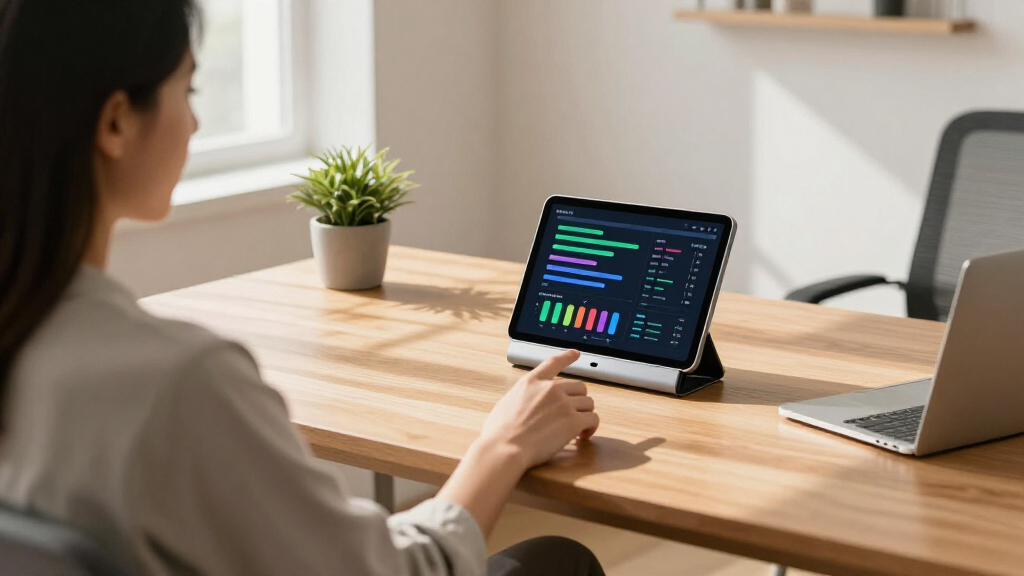
Employers are piloting digital strength and mobility assessments for remote workers to detect early musculoskeletal issues. These tests use smartphone cameras and pose estimation to provide personalized risk scores, aiming to prevent costly health problems before they develop.
Remote work wellness solutions using digital strength tests are entering pilot phases, offering a new way for employers to detect early musculoskeletal risk among distributed employees. These assessments leverage smartphone cameras and pose estimation technology to provide personalized health insights, addressing a rising concern for employers about sedentary-related MSK problems in remote and hybrid workforces.
Employers, especially mid-to-large organizations and self-insured firms, face increasing challenges related to musculoskeletal (MSK) issues among remote workers. The shift to hybrid and remote work has reduced incidental movement, leading to a surge in neck, back, and posture-related problems, which drive higher medical claims and lost workdays. Currently, most MSK interventions are reactive, treating pain after it occurs, rather than preventing it.
Recent advancements in smartphone camera-based motion capture and pose estimation have matured sufficiently to enable self-administered assessments at home. These tools guide employees through a series of strength, mobility, and posture tests—such as sit-to-stand repetitions, shoulder and hip range-of-motion, plank or wall-sit holds, and seated posture photographs—using their phone cameras. The tests generate a personalized MSK risk score, which can be tracked over time, providing early warning signs before clinical problems develop.
Initial pilot programs aim to validate these assessments by recruiting 2-3 employers or large teams, deploying the tests over 60 to 90 days. Success metrics include high completion and retention rates, correlation of camera-derived risk scores with established self-report questionnaires scored by physical therapists, and employer willingness to adopt paid pilots. The assessments are designed to produce privacy-safe aggregate data for team-level risk trends, with referral pathways to clinical MSK/PT providers for employees flagged as high risk.
Revenue models for these solutions include B2B SaaS subscriptions billed per employee per month (PEPM), with optional outcome-based pricing and revenue sharing from clinical partners. The target market spans corporate wellness programs and digital MSK health benefits tailored for remote and hybrid workforces.
Implications for Employee Health and Employer Costs
This innovation represents a shift from reactive to preventive MSK health management in remote work environments. By enabling early detection of mobility and posture issues, employers can intervene before costly clinical episodes occur, potentially reducing medical claims and improving employee well-being. It also offers a scalable, privacy-conscious way to monitor team health trends, informing targeted wellness initiatives and reducing absenteeism.
As remote work becomes a permanent fixture for many organizations, integrating digital MSK assessments could become a standard component of employee wellness strategies, aligning health outcomes with cost savings for employers. The approach also opens new revenue streams for benefits providers and creates a data-driven foundation for personalized health interventions.
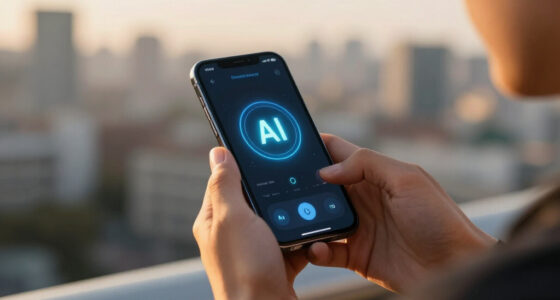
smartphone pose estimation health assessment
As an affiliate, we earn on qualifying purchases.
As an affiliate, we earn on qualifying purchases.
Rise of Remote Work and MSK Challenges
The shift to remote and hybrid work models has persisted beyond the COVID-19 pandemic, driven by employee demand and organizational cost considerations. While flexible work arrangements offer benefits, they also introduce health risks associated with prolonged sitting, poor ergonomics, and reduced incidental movement. MSK conditions are already a leading driver of employer medical costs, accounting for a significant share of claims and disability days.
Traditional MSK prevention relies on workplace ergonomics and in-person assessments, which are difficult to replicate remotely. Existing programs tend to be reactive, focusing on treatment after symptoms appear. The recent maturation of smartphone-based pose estimation technology offers a new pathway for early screening, making it feasible to conduct self-assessments at home without specialized sensors or clinician involvement.
Early pilots of these digital assessments aim to validate their accuracy and user engagement, with the goal of integrating them into broader employee health management systems. The approach aligns with trends toward personalized, data-driven wellness initiatives and the increasing importance of remote health monitoring tools.
remote musculoskeletal health test device
As an affiliate, we earn on qualifying purchases.
As an affiliate, we earn on qualifying purchases.
Validation and Adoption Challenges for Digital MSK Tests
It is still unclear how accurately these smartphone-based assessments will correlate with clinical evaluations across diverse populations. The success of pilot programs depends on employee engagement, privacy concerns, and the willingness of employers to adopt new workflows. Further validation studies are needed to establish reliability and cost-effectiveness at scale, and regulatory considerations may influence deployment timelines.
As an affiliate, we earn on qualifying purchases.
Upcoming Pilot Deployments and Validation Studies
Several organizations plan to launch pilot programs over the coming months, aiming to validate assessment accuracy and user engagement. Results from these pilots will inform broader deployment strategies and integration with existing wellness platforms. If successful, the technology could become a standard component of remote employee health programs by late 2024, with potential expansion into clinical referral pathways and outcome-based pricing models.
digital strength and mobility tests for remote workers
As an affiliate, we earn on qualifying purchases.
As an affiliate, we earn on qualifying purchases.
Key Questions
How do smartphone-based strength tests work?
Employees use their phone cameras to perform guided exercises like sit-to-stand, plank holds, or shoulder movements. Pose estimation algorithms analyze the videos to score movement quality and identify potential MSK risks.
What are the privacy concerns with these assessments?
The assessments are designed to be privacy-safe, with data stored securely and anonymized at the team level. Sensitive video data is processed locally or transmitted securely, with clear consent protocols.
How reliable are these digital assessments compared to in-person evaluations?
Validation studies are ongoing, but early results suggest good correlation with established self-report questionnaires scored by physical therapists. Further research is needed to confirm accuracy across diverse employee populations.
When will these tools be widely available?
Pilot programs are expected to run through 2024, with broader availability contingent on successful validation and employer adoption. Full-scale deployment could occur by late 2024 or early 2025.
Can these assessments replace traditional MSK screenings?
They are intended as early screening tools to supplement, not replace, clinical evaluations. Employees flagged as high risk can be referred for professional assessment and intervention.
Source: IdeaNavigator AI
Fall Picks
fall essentials
As an affiliate, we earn on qualifying purchases.