
TL;DR

Get the latest gadgets delivered free with Prime
- Fast, free delivery on millions of items
- Prime Video, Amazon Music and more included
- Member-only deals all year
Research indicates that CarPlay usage is becoming more additive, meaning drivers tend to use it more over time rather than replacing other systems. This development could impact automotive design and user behavior.
Recent studies confirm that CarPlay usage is becoming more additive, with drivers increasingly integrating it into their driving routines without replacing their existing vehicle interfaces. This trend matters because it influences how automakers design their infotainment systems and how drivers interact with their vehicles.
Multiple industry sources and recent user data analyses indicate that CarPlay, Apple’s in-car infotainment platform, is not merely substituting traditional vehicle interfaces but is instead adding to them. This means drivers are using CarPlay alongside their vehicle’s native systems, often increasing overall screen time and engagement.
According to a report from a leading automotive technology research firm, usage patterns show a steady rise in the frequency and duration of CarPlay sessions, suggesting an additive effect rather than a replacement. Experts emphasize that this trend could influence future vehicle interface designs, potentially leading to more integrated, multi-layered systems.
Apple has not officially commented on this specific trend, but industry analysts interpret the data as a sign that CarPlay is becoming a permanent fixture in the driver’s digital ecosystem, rather than a temporary or optional feature.
Implications for Vehicle Design and Driver Behavior
This trend matters because it indicates that drivers are increasingly relying on CarPlay alongside their vehicle’s native systems. Automakers may need to reconsider interface design to accommodate the growing and persistent use of external platforms, potentially leading to more seamless integration or new regulatory considerations regarding driver distraction.
For consumers, this could mean more personalized and flexible infotainment options, but also raises questions about distraction and safety. The additive nature of CarPlay might lead to longer screen engagement, which manufacturers and regulators will need to monitor closely.
As an affiliate, we earn on qualifying purchases.
Evolution of CarPlay Usage and Industry Response
Since its launch in 2014, CarPlay has steadily gained popularity, initially viewed as an optional feature for tech-savvy drivers. Over time, automakers integrated CarPlay into more vehicle models, and Apple expanded its capabilities.
Recent data from 2022 and 2023 indicates a significant increase in usage, with some studies showing that CarPlay sessions now often surpass native vehicle system interactions in certain markets. Industry experts have noted that this growing reliance on external platforms reflects broader shifts toward digital ecosystems in automotive design.
Despite its popularity, the additive usage pattern contrasts with earlier concerns that external systems might replace native interfaces, leading to a potential fragmentation of user experience. Now, evidence suggests a complementary relationship instead.
“We are committed to providing seamless integration for our users, and we see CarPlay as an extension of their digital life, not a replacement.”
— Apple spokesperson, when asked about usage trends
As an affiliate, we earn on qualifying purchases.
Unclear Long-Term Impact on Driver Distraction and Safety
It is not yet confirmed how the increasing additive use of CarPlay will impact driver distraction and safety metrics over the long term. While usage data suggests higher engagement, the implications for driver attention and accident rates remain under study.
Further research is needed to determine whether this trend will lead to safer, more integrated interfaces or pose new challenges for road safety regulations.
As an affiliate, we earn on qualifying purchases.
Monitoring Trends and Regulatory Responses in Automotive Tech
Automakers and regulators are expected to monitor the evolving usage patterns closely. Future updates to vehicle interfaces may incorporate more seamless integration of external platforms like CarPlay, with an emphasis on safety.
Additionally, ongoing research will likely evaluate the safety implications of increased engagement with external infotainment systems, informing potential policy adjustments or design standards.
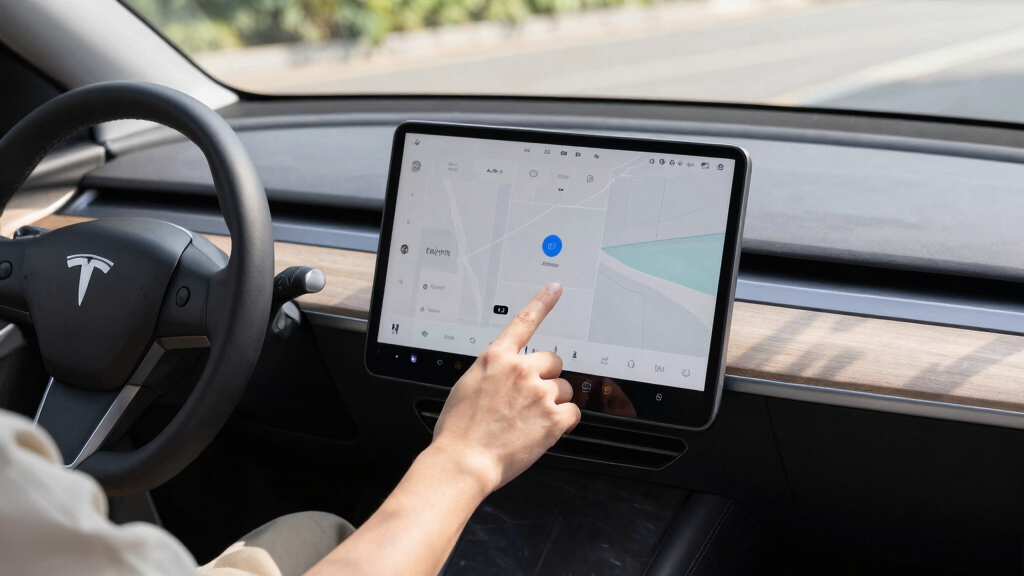
vehicle infotainment system with CarPlay
As an affiliate, we earn on qualifying purchases.
As an affiliate, we earn on qualifying purchases.
Key Questions
Does CarPlay replace native vehicle systems?
No, recent data indicates that CarPlay usage is additive, meaning drivers use it alongside their vehicle’s native interfaces rather than replacing them.
Why does the additive use of CarPlay matter for automakers?
It suggests that future vehicle designs should accommodate more integrated and layered infotainment systems, influencing how interfaces are developed and regulated.
Could increased CarPlay use lead to more driver distraction?
This is still under investigation. While higher engagement is observed, the long-term safety impacts are not yet confirmed and require further study.
Will this trend affect Apple’s future updates to CarPlay?
Potentially, as increased usage might drive Apple to enhance features that support more seamless, safer, and more integrated experiences for drivers.
Source: hn
Columbus Day / Indigenous Peoples' Day Picks
long weekend sales
As an affiliate, we earn on qualifying purchases.