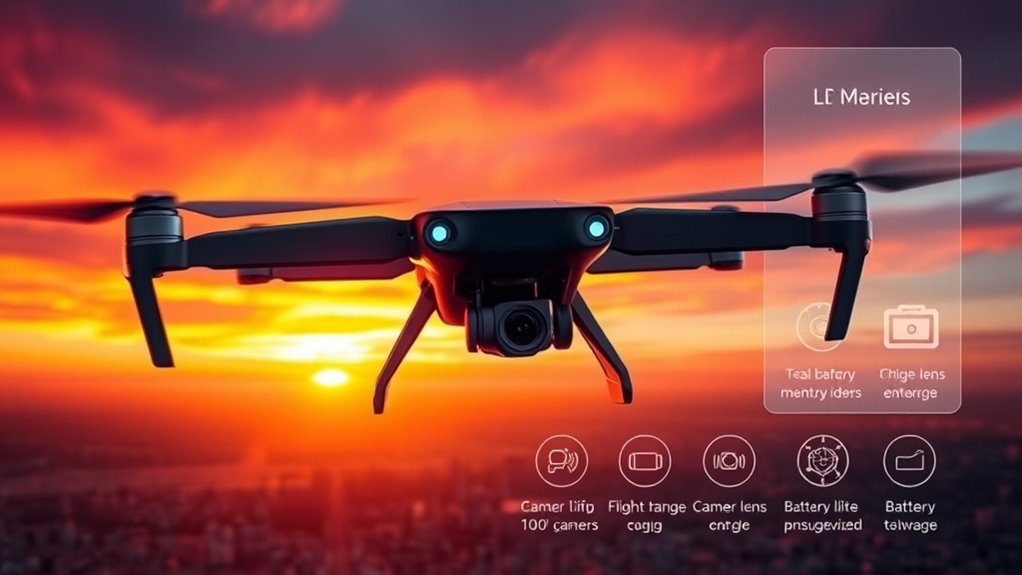
Understanding drone specs helps you choose the right model for your needs. Focus on camera qualities like resolution, lens, and image processing for clear footage. Consider flight range for exploring farther, but watch for signal strength issues from obstacles. Battery life affects flight time, so look for high-capacity options if you want longer sessions. Additional features like GPS and propeller design enhance stability and performance—learning more can help you find the perfect drone.
Key Takeaways
- Camera specs like resolution, sensor size, and lens quality determine image clarity and low-light performance.
- Flight range and signal strength are affected by obstacles, interference, and communication protocols.
- Flight time depends on battery capacity, efficiency, and power management; higher capacity usually means longer flights.
- Additional features like GPS, stabilization, and propeller design influence flight stability and footage quality.
- External factors such as weather and build durability impact drone performance and operational safety.

EVEO Screen Cleaner Spray - Large Screen Cleaner Bottle - TV Screen Cleaner, Computer Screen Cleaner, for Laptop, Phone, Ipad - Computer Cleaning kit Electronic Cleaner (1 Pack)
Screen Cleaner is Your Screen’s New Bestfriend! - EVEO is proud to present a screen cleaner that’s perfectly...
As an affiliate, we earn on qualifying purchases.
Camera Quality and Features
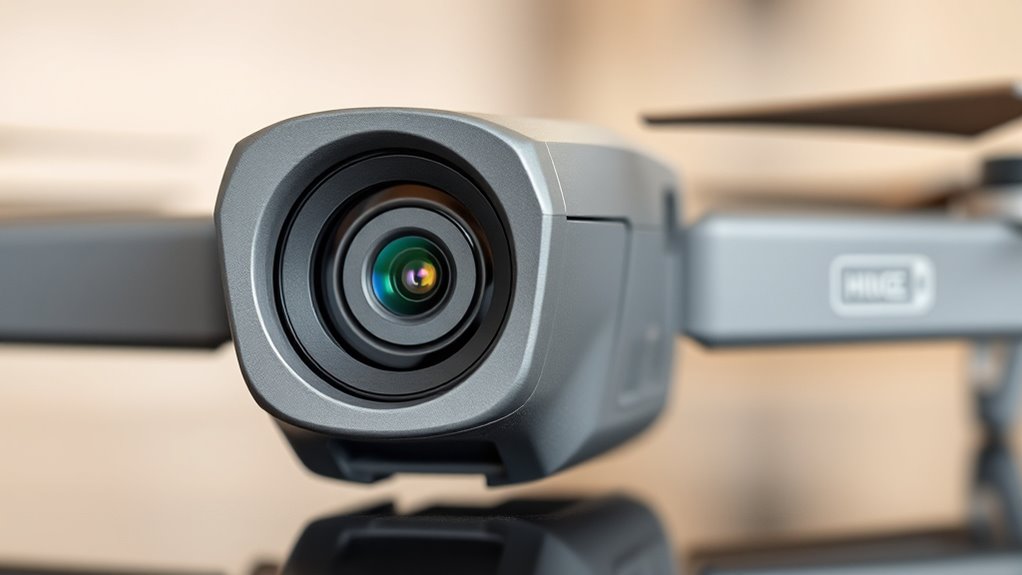
When evaluating drone cameras, focusing on their resolution, sensor size, and lens quality is vital, as these directly impact the clarity and detail of your footage. Sensor resolution determines how many pixels the camera captures, affecting image sharpness, especially in zoomed or cropped shots. A higher sensor resolution means more detail and better image quality. The lens aperture controls how much light enters the camera; a wider aperture (lower f-number) allows more light in, improving performance in low-light conditions and creating a pleasing depth of field. Together, these features influence your footage’s overall quality, ensuring crisp images with vibrant colors. Choosing a drone with a good sensor resolution and a versatile lens aperture lets you capture professional-quality footage, regardless of lighting conditions or shooting distances. Additionally, advancements in camera sensor technology continue to enhance image quality, even in compact drone designs. For optimal results, understanding how these camera specifications interact helps in selecting a drone that meets your specific filming needs, especially as sensor technology evolves rapidly. Furthermore, the integration of advanced image processing techniques can significantly improve footage clarity and color accuracy in various shooting scenarios. Moreover, staying informed about latest technological innovations ensures you choose a drone with cutting-edge features for improved performance.

iO CLEAN Screen Cleaner Spray (16oz - 473ml) – Best Large Cleaning Kit
Screen cleaner spray and cloth. Screen cleaner spray and cloth are designed for high-end devices and work flawlessly...
As an affiliate, we earn on qualifying purchases.
Flight Range and Signal Strength
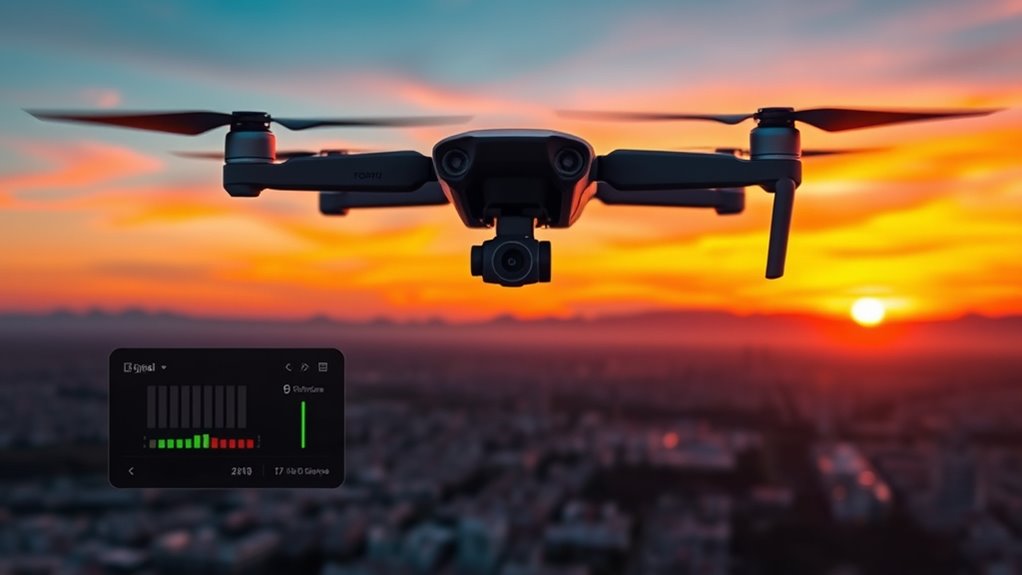
A drone’s ability to cover distance depends heavily on its flight range and signal strength. A longer range means you can explore farther without losing connection, but signal interference from obstacles or electronic devices can disrupt transmission stability. To guarantee reliable control, look for drones with strong, interference-resistant signals. Keep in mind that obstacles like trees, buildings, or even weather conditions can weaken signal strength and reduce effective range. Using a drone with adaptive frequency hopping or multiple signal channels can help maintain a steady connection. Additionally, communication protocols play a crucial role in ensuring stability and minimizing latency during flights. Being aware of interference sources and how they impact signal quality helps you choose a drone that performs well over the distances you need, minimizing the risk of losing control during your flights. Understanding signal interference sources can further enhance your flying experience by allowing you to anticipate and mitigate potential disruptions. Furthermore, considering the transmission technology used can lead to more reliable connections in challenging environments.
The use of signal encryption can also improve security and prevent signal hijacking during critical operations.

Screen Cleaner Spray 16oz (4oz x 4 Pack) - TV & Computer Screen Cleaner with 2 Microfiber Cloths for Multiple Devices
Quality Screen Care Kit: The kit includes 4 bottles of tv screen cleaner for smart tv and 2...
As an affiliate, we earn on qualifying purchases.
Flight Time and Battery Life
How long can your drone stay in the air before needing a recharge? It depends on several factors, mainly battery capacity and efficiency. On average, drones offer flight times ranging from 10 to 30 minutes. To maximize your flying sessions, keep these points in mind:
Drone flight time varies from 10 to 30 minutes, depending on battery capacity and efficiency.
- Higher battery capacity usually means longer flight time but may add weight.
- Charging time varies from 30 minutes to a few hours, so plan accordingly.
- Efficient power management can extend your flight time, especially during longer shoots.
- Using a high-efficiency motor can further improve flight duration by reducing energy consumption.
- Regular maintenance and proper battery care are essential to preserve optimal performance and prolong battery life.
- Proper body jewelry measurements and materials can also influence overall drone design, especially in terms of weight and durability.
- Additionally, understanding battery performance and safety guidelines ensures longer-lasting batteries and safer flights.
- Staying informed about advances in aeronautical engineering can help optimize drone efficiency and flight capabilities.
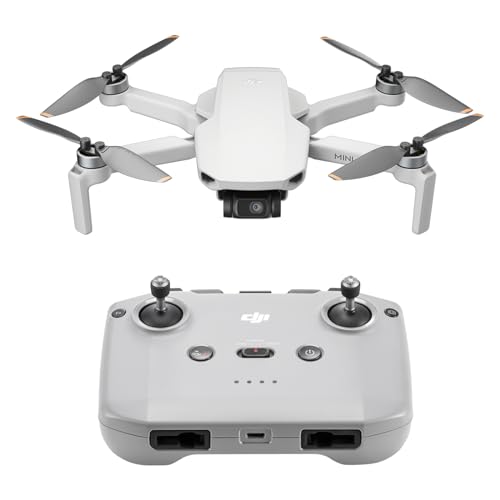
DJI Mini 4K, Drone with 4K UHD Camera for Adults, Under 249 g, 3-Axis Gimbal Stabilization, 10km Video Transmission, Auto Return, Wind Resistance, 1 Battery for 31-Min Max Flight Time
No Registration Needed - Under 249 g, this drone with camera for adults 4K does not require FAA...
As an affiliate, we earn on qualifying purchases.
Additional Specifications to Consider
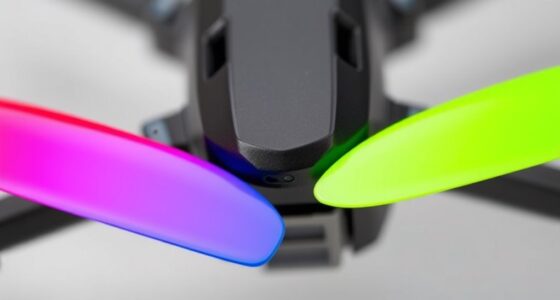
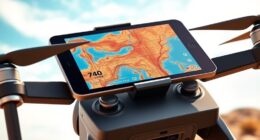
Beyond flight time and battery life, several other specifications can influence your drone’s performance and suitability for your needs. Propeller design plays a vital role in stability, speed, and efficiency. Look for drones with well-balanced, aerodynamic propellers that match your flying style. Additionally, GPS capabilities are essential for precise navigation, hover stability, and auto-return features. A reliable GPS system ensures you can plan complex routes and recover your drone easily if it loses signal. These specifications directly affect ease of use, flight safety, and picture quality. Considering them helps you select a drone aligned with your objectives, whether for casual flying, photography, or professional missions. Proper battery management is crucial for maximizing flight time and ensuring safety during operations. Paying attention to propeller quality can significantly improve flight performance and energy efficiency, leading to a more satisfying flying experience. Furthermore, understanding the impact of environmental conditions can help you optimize your drone usage in various outdoor settings. Additionally, selecting a drone with robust build quality can enhance durability and longevity, especially in challenging conditions. Incorporating features like advanced stabilization systems can further enhance image quality and flight smoothness in diverse environments.
Frequently Asked Questions
How Do Weather Conditions Affect Drone Performance?
Weather conditions critically impact your drone’s performance. Wind resistance becomes essential on windy days, as strong gusts can destabilize your drone and reduce flight stability. Rain, snow, or fog can damage electronics and impair camera visibility. Additionally, extreme temperatures may affect battery life and motor efficiency. Always check weather impact before flying, and avoid conditions that can compromise your drone’s safety or flight quality.
What Safety Features Are Essential for Beginner Drones?
You’ll want to guarantee your beginner drone has essential safety features like propeller guards, which protect you and your surroundings from spinning blades. Battery safety is equally crucial—always use the recommended batteries and avoid overcharging. These features not only keep you safe but also prevent accidents that could ground your flights. Stay alert, and with these safeguards in place, you’ll enjoy flying confidently and safely from your very first takeoff.
Can Drones Be Customized Beyond Factory Specifications?
You can definitely customize drones beyond factory specs with aftermarket upgrades and custom configurations. You might add better cameras, extend battery life, or upgrade motors for improved performance. Keep in mind, though, that some modifications can affect your drone’s safety and warranty. Before customizing, research compatible parts and confirm your upgrades meet your flying needs. This way, you get a drone tailored to your skills and preferences.
How Does Drone Weight Impact Flight Capabilities?
Think of drone weight like a backpack—heavier packs slow you down. When your drone carries extra weight, its battery life decreases, and payload capacity is limited. Heavier drones struggle with longer flights and may have reduced agility. To maximize flight capabilities, keep the drone as light as possible, balancing weight with necessary equipment, so you enjoy longer flight times and better maneuverability without sacrificing essential features.
Are There Legal Restrictions on Drone Flying in Certain Areas?
Yes, you need to be aware of legal restrictions when flying your drone. No-fly zones, like airports, government buildings, and military areas, are off-limits. Additionally, privacy concerns restrict you from capturing images or videos over private property without permission. Always check local regulations and airspace restrictions before flying to avoid fines or legal issues. Staying informed helps you enjoy drone flying responsibly and legally.
Conclusion
Now that you understand the specs that matter, you can choose a drone that fits your needs. While a high-quality camera captures stunning footage, it’s useless if the drone can’t fly far or long enough. Balance is key—opt for a model with the right combination of camera, range, and battery life. Don’t get blinded by features; focus on what truly enhances your flying experience and helps you reach your goals.