
📊 Full opportunity report: Tracking The Storm’s Impact On Albany’s Trade Operations And Market Trends on IdeaNavigator AI — validation score, market gap, and execution plan.

Get the latest gadgets delivered free with Prime
- Fast, free delivery on millions of items
- Prime Video, Amazon Music and more included
- Member-only deals all year
TL;DR
Heavy rain from a storm hitting the Northeast is impacting Albany’s trade and supply-chain activities. Early signals suggest potential disruptions, prompting operational alerts. The situation is evolving, with next steps pending further assessments.
Heavy rainfall from a storm hitting the Northeast is currently impacting Albany and the Hudson Valley, disrupting trade and supply-chain operations. This development is significant for operations managers monitoring geopolitical and trade risks amid rapidly changing weather conditions.
According to weather reports, Albany and the surrounding Hudson Valley region are experiencing heavy rain as part of a larger storm system affecting the Northeast. Local authorities have issued weather advisories, and transportation agencies are monitoring road and rail conditions for potential closures or delays.
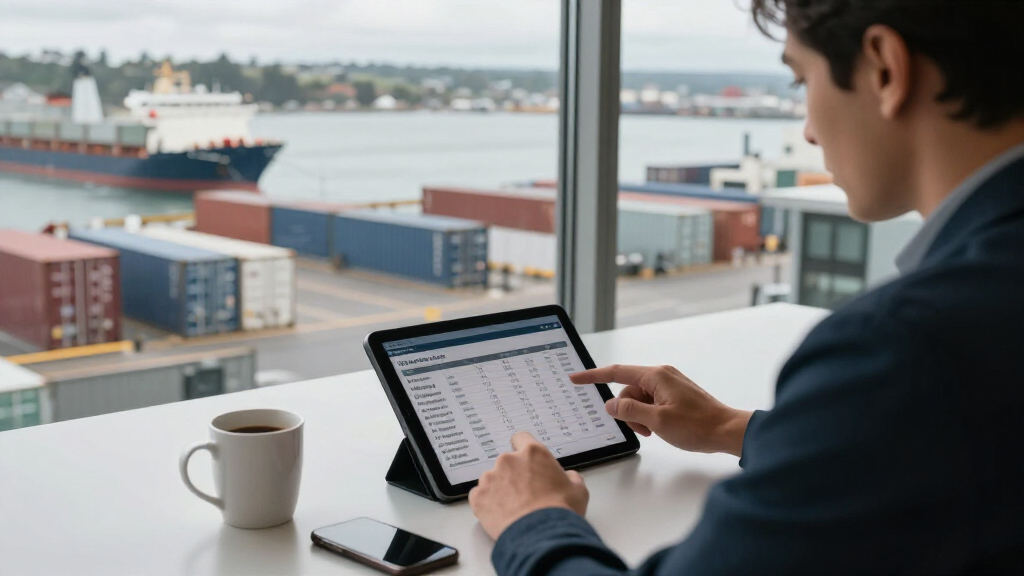
Trade and supply-chain operations are beginning to feel the impact, with some shipments delayed due to weather-related disruptions. An operations lead managing supply-chain exposure noted that early signals from monitoring tools indicated increased risk, prompting preemptive adjustments in logistics planning. These signals were derived from real-time data feeds, including Google Trends and supply-chain monitoring platforms, highlighting the value of role-filtered early alerts in managing trade risks amid adverse weather.
Implications for Regional Trade and Supply Chains
This storm’s impact on Albany’s trade operations underscores the importance of real-time monitoring for supply-chain resilience. Early detection of weather-related disruptions allows operators to mitigate delays, avoid losses, and adjust logistics plans proactively. As weather events become more unpredictable, such role-specific signals are increasingly vital for maintaining trade flow and market stability.
As an affiliate, we earn on qualifying purchases.
Weather Events and Trade Disruptions in the Northeast
Heavy rain and storm systems have periodically disrupted trade routes in the Northeast, with recent events causing localized delays in Albany and the Hudson Valley. Historically, severe weather has led to supply chain bottlenecks, especially in regions with dense logistics hubs. The current storm is part of a broader pattern of increasing weather volatility, which complicates supply chain planning and risk management for regional trade networks.
“Road conditions are being closely monitored, and some routes may experience delays or closures depending on rainfall intensity.”
— local transportation authority spokesperson
portable weather monitoring device
As an affiliate, we earn on qualifying purchases.
As an affiliate, we earn on qualifying purchases.
Unconfirmed Extent of Trade Disruptions
It is not yet clear how widespread or severe the trade disruptions will become in the coming days. While early signals indicate potential delays, specific shipment statuses and market impacts are still being assessed, and further weather developments could alter the situation.
heavy rain waterproof shipping labels
As an affiliate, we earn on qualifying purchases.
As an affiliate, we earn on qualifying purchases.
Monitoring and Response Strategies Moving Forward
Authorities and supply-chain operators will continue to monitor weather conditions and transportation status. Further data will inform whether additional operational adjustments are needed. The focus remains on early detection and rapid response to minimize trade disruptions as the storm progresses.
supply chain disruption alert system
As an affiliate, we earn on qualifying purchases.
As an affiliate, we earn on qualifying purchases.
Key Questions
How is the storm affecting trade routes in Albany?
Heavy rain has caused localized disruptions, with some roads and rail lines experiencing delays or closures. The full extent of the impact is still being evaluated.
What tools are used to detect early trade risks during weather events?
Trade and supply-chain teams use real-time data feeds, including Google Trends and specialized monitoring platforms, to identify role-specific signals indicating potential disruptions.
Many operators have implemented early warning systems and contingency plans, but the increasing frequency of severe weather events poses ongoing challenges.
When will the full impact of the storm on trade be known?
The full extent will depend on the storm’s progression and weather conditions over the next few days. Continuous monitoring will inform future operational decisions.
What steps are being taken to mitigate the impact on trade?
Operators are adjusting logistics plans proactively, rerouting shipments where possible, and increasing communication with transportation agencies to respond swiftly to changing conditions.
Source: IdeaNavigator AI
Fall Picks
fall essentials
As an affiliate, we earn on qualifying purchases.