
📊 Full opportunity report: Women’s Health Radar on IdeaNavigator AI — validation score, market gap, and execution plan.

Get the latest gadgets delivered free with Prime
- Fast, free delivery on millions of items
- Prime Video, Amazon Music and more included
- Member-only deals all year
TL;DR
A women’s health digital tool is being tested to detect early perimenopause symptoms using symptom tracking and AI pattern detection. The initiative targets women aged 40-58 and aims to improve diagnosis and reduce work and health impacts.
Women aged 40-58 experiencing unexplained perimenopausal symptoms are the focus of a new digital health initiative that aims to improve early detection and care access. The project involves testing a mobile app that tracks symptoms and uses AI to flag likely perimenopause, addressing a longstanding gap in diagnosis and treatment, which can be complemented by insights from trade and supply chain operations signal monitoring for healthcare logistics. This development could help women and healthcare providers better manage the transition and its impacts, especially with tools like the supply chain operations signal monitor to anticipate resource needs.
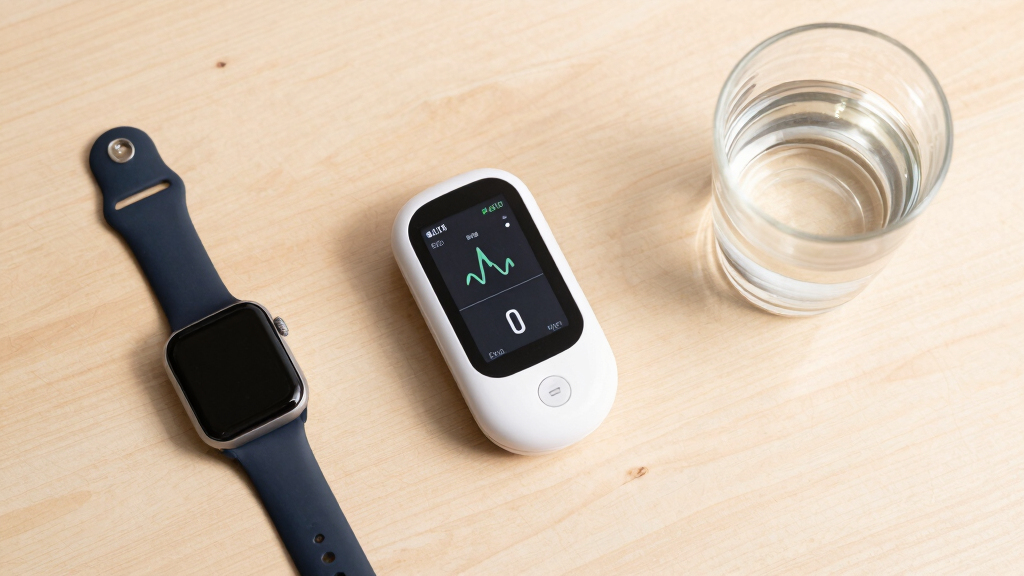
The initiative, called the Women’s Health Radar, is designed for women experiencing symptoms such as sleep disruption, mood changes, brain fog, irregular cycles, and hot flashes. You can monitor related trade and supply-chain operations signal monitor for weather impacts that may affect health services. These symptoms are often misattributed to stress, depression, or aging, leading to delayed diagnosis and treatment. The app encourages daily symptom logging, optionally integrates wearable data, and employs a rules-based machine learning algorithm to compare patterns against validated perimenopause symptom scales. When signals are detected, it produces a shareable, clinician-ready summary and suggests referral to covered telehealth or local specialists.
The project is currently in a testing phase, involving a 4-6 week pilot with a landing page and waitlist targeting women in the specified age group. Researchers measure engagement through quiz completions, ongoing symptom tracking, and click-through rates for referrals or summaries. Early indicators suggest that if more than 25% of quiz takers opt into ongoing tracking and 10% request referrals, the initiative will be considered viable for further development.
Potential Impact on Women’s Healthcare Access
This project addresses a critical gap in women’s healthcare by enabling earlier detection of perimenopause, which is often underdiagnosed. Improved screening could lead to timely treatment, reducing symptoms’ impact on work, mental health, and overall quality of life. Additionally, the app’s integration with covered telehealth services and employer health plans could lower barriers to care, making menopause management more accessible and less stigmatized.
women's health symptom tracking app
As an affiliate, we earn on qualifying purchases.
As an affiliate, we earn on qualifying purchases.
Growing Focus on Menopause in Femtech and Digital Health
Menopause has become the fastest-growing segment within femtech, with companies like Midi Health reaching a $1 billion valuation in February 2026. Most major PPO insurers now cover virtual menopause consultations, reflecting increased recognition of menopause as a healthcare priority. Advances in consumer wearables, validated digital symptom scales, and AI pattern detection have made early identification of perimenopause more feasible than ever before. Despite these developments, many women remain undiagnosed for years due to limited primary care training and symptom misattribution.
“Early detection through digital symptom tracking could significantly improve women’s health outcomes during menopause transition.”
— an anonymous researcher
perimenopause symptom monitor wearable
As an affiliate, we earn on qualifying purchases.
As an affiliate, we earn on qualifying purchases.
Unanswered Questions About Efficacy and Adoption
It is not yet clear how accurately the app’s pattern detection will identify perimenopause in diverse populations, or how women will respond to the symptom summaries and referral suggestions. The long-term effectiveness, user engagement, and integration into existing healthcare workflows remain to be tested. Additionally, questions about data privacy, reimbursement models, and broader adoption are still under discussion.
As an affiliate, we earn on qualifying purchases.
Next Steps for Validation and Scaling
The project plans to complete its pilot phase within the next few months, analyzing engagement metrics and symptom detection accuracy. If successful, developers will seek funding for a larger clinical validation study and explore partnerships with health plans and employers for broader deployment. Further, they aim to refine the app’s algorithms and expand educational content to support women throughout their menopausal transition.
As an affiliate, we earn on qualifying purchases.
Key Questions
How does the women’s health radar app work?
The app logs daily symptoms such as sleep, mood, cycles, and hot flashes, optionally combines wearable data, and uses AI to compare patterns against validated perimenopause scales. It then produces a summary and suggests referrals to covered telehealth or specialists.
Is this app intended to diagnose menopause?
No, the app provides educational pattern detection and symptom summaries, not formal diagnoses. It aims to flag potential perimenopause signs to prompt further clinical evaluation.
Who can benefit from this technology?
Women aged 40-58 experiencing unexplained symptoms related to perimenopause, as well as employers and health plans seeking to reduce attrition and absenteeism linked to menopause-related health issues.
When will this app be widely available?
The app is currently in testing. Broader availability depends on pilot outcomes and subsequent validation studies, which could take several months to a year.
What are the privacy considerations?
The project will need to ensure compliance with data privacy standards, but specific privacy safeguards are still under development and have not been publicly detailed.
Source: IdeaNavigator AI
Halloween Picks
halloween
As an affiliate, we earn on qualifying purchases.