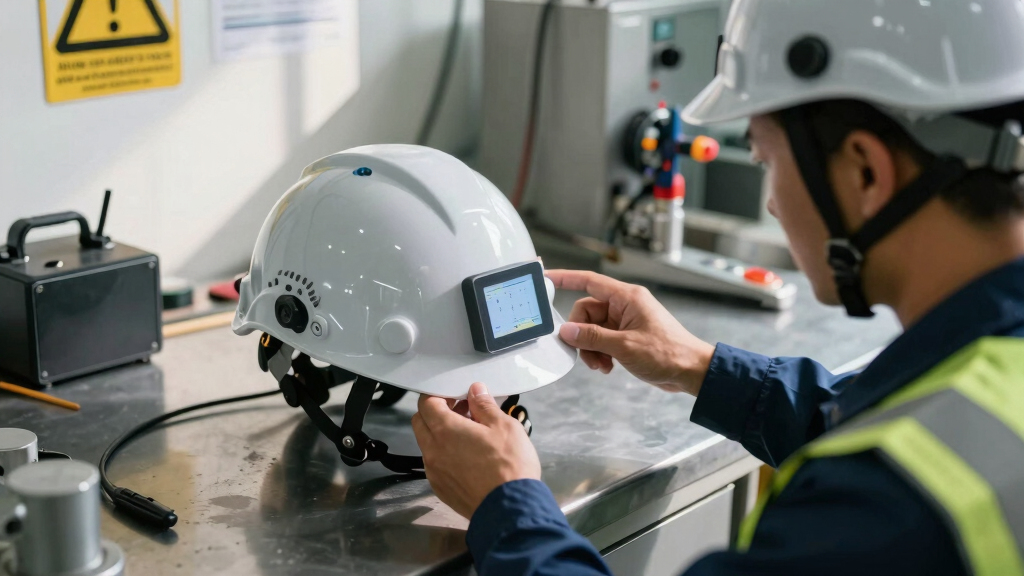

📊 Full opportunity report: The Nordics: Protect the Worker, Not the Job on ThorstenMeyerAI.com — validation score, market gap, and execution plan.
Open a free Amazon Business account
Business pricing, bulk buying and tax-exempt orders.
Create a free accountAs an affiliate, we earn on qualifying purchases.
TL;DR
Nordic countries adopt a ‘protect the worker, not the job’ model, emphasizing social safety nets and active labor policies. This approach reduces resistance to automation and supports economic flexibility. The development highlights a contrasting philosophy to traditional European models.
Nordic countries are increasingly implementing policies that prioritize protecting workers over preserving specific jobs, a shift that is reshaping labor markets and social safety nets amid rapid automation and technological change.
The core of the Nordic model, known as ‘flexicurity,’ combines flexible employment laws with generous unemployment benefits and active labor market policies. Denmark exemplifies this approach, where employers can reconfigure their workforce quickly, and workers receive substantial income support during transitions, funded by high investment in retraining and activation programs.
This model contrasts with traditional European approaches like Germany’s Kurzarbeit, which aims to preserve existing jobs during downturns. Instead, the Nordics treat jobs as temporary and focus on ensuring individuals can smoothly transition to new roles. This reduces fear of automation and fosters a pro-technology stance among unions and policymakers.
Particularly notable is Norway’s sovereign wealth fund, which holds significant national ownership of capital, allowing the country to benefit from shifts in economic productivity and technological change at a societal level. This structure supports a broader societal resilience to labor market disruptions.
Protect the Worker, Not the Job
Where Germany saves the job, the Nordics let the job go and catch the worker. The counterintuitive result: unions that welcome automation — because the person is protected even when the role isn’t.
Independent commentary, produced with AI assistance under human editorial oversight. The views are the author’s own and may change. This is analysis, not policy, economic, investment, or legal advice. Descriptions of flexicurity, Nordic active-labor spending, Finland’s basic-income experiment, and Norway’s sovereign wealth fund reflect publicly reported information as of mid-2026 and may change. This phase maps differing approaches and endorses none; contested questions are presented with competing views, not a verdict. Country and program names are referenced for analysis and imply no affiliation.
Why Nordic Worker-Centric Policies Matter Globally
The Nordic approach’s emphasis on protecting workers rather than specific jobs enables societies to adapt more rapidly to technological advances like automation. It reduces resistance to change, fosters innovation, and creates a social safety net that encourages proactive skill development. As automation accelerates worldwide, these policies offer a potential blueprint for balancing economic growth with social stability.

An evaluation of retraining programs for dislocated workers in the airline industry.(Statistical Data Included): An article from: SAM Advanced Management Journal
As an affiliate, we earn on qualifying purchases.
As an affiliate, we earn on qualifying purchases.
The Origins and Evolution of the Nordic ‘Flexicurity’ Model
The ‘flexicurity’ concept emerged in Denmark during the 1990s, developed by Social Democratic leaders seeking to balance labor market flexibility with social security. The model has since been adopted and adapted across Nordic countries, characterized by weak employment protections paired with high unemployment benefits and substantial active labor policies. This approach has contributed to low unemployment rates and high union density, fostering a culture of cooperation between workers, unions, and employers.
In recent years, the model has gained renewed attention amid concerns over automation and economic disruption, as it offers a way to manage transitions without widespread job losses or social unrest. The region’s experience demonstrates that protecting workers’ livelihoods can facilitate technological adoption rather than hinder it.
“Flexicurity allows for rapid workforce adjustments while maintaining social cohesion, making automation less threatening and more manageable.”
— Danish labor policy expert
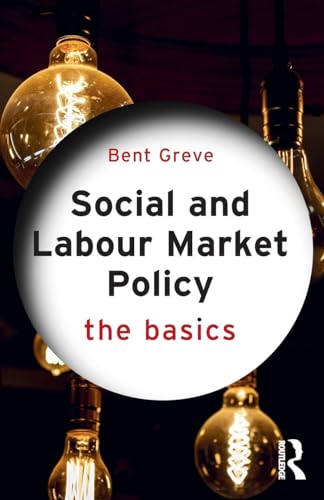
Social and Labour Market Policy (The Basics)
As an affiliate, we earn on qualifying purchases.
As an affiliate, we earn on qualifying purchases.
Unresolved Questions About Nordic Flexicurity Effectiveness
While the model is praised for its social benefits, it remains unclear how scalable or adaptable it is to larger, less cohesive societies or regions with different political cultures. The long-term fiscal sustainability of high unemployment benefits and active labor policies is also under debate, especially as automation accelerates and labor markets evolve more rapidly.

As an affiliate, we earn on qualifying purchases.
Future Developments in Nordic Labor Policies and Automation Response
Nordic countries are likely to continue refining their active labor market policies, possibly integrating more advanced automation and AI tools to facilitate transitions. Policymakers will monitor the long-term fiscal and social impacts of flexicurity, and other regions may look to the Nordic model as a potential blueprint for managing automation-driven labor shifts.
As an affiliate, we earn on qualifying purchases.
Key Questions
How does the Nordic model differ from traditional European labor policies?
The Nordic model emphasizes flexible employment laws combined with strong social safety nets and active labor policies, focusing on supporting workers through transitions rather than preserving specific jobs.
Why is protecting workers more effective than protecting jobs?
Protecting workers ensures they can adapt to changing labor markets and technological shifts, reducing resistance to automation and fostering innovation without widespread unemployment.
Can other countries adopt the Nordic flexicurity model?
While adaptable in principle, successful implementation depends on political culture, social cohesion, and institutional capacity, which vary across countries.
What role does Norway’s sovereign wealth fund play in this model?
The fund provides a form of collective ownership of capital, allowing the country to benefit from economic shifts and support social resilience without direct citizen dividends.
Source: ThorstenMeyerAI.com
Baby shower & registry season Picks
baby registry must-haves
As an affiliate, we earn on qualifying purchases.