
TL;DR

Get the latest gadgets delivered free — and shop member deals
- Fast, free delivery on millions of items
- Access to Prime Big Deal Days deals on October 6–7
- Prime Video, Amazon Music and more included
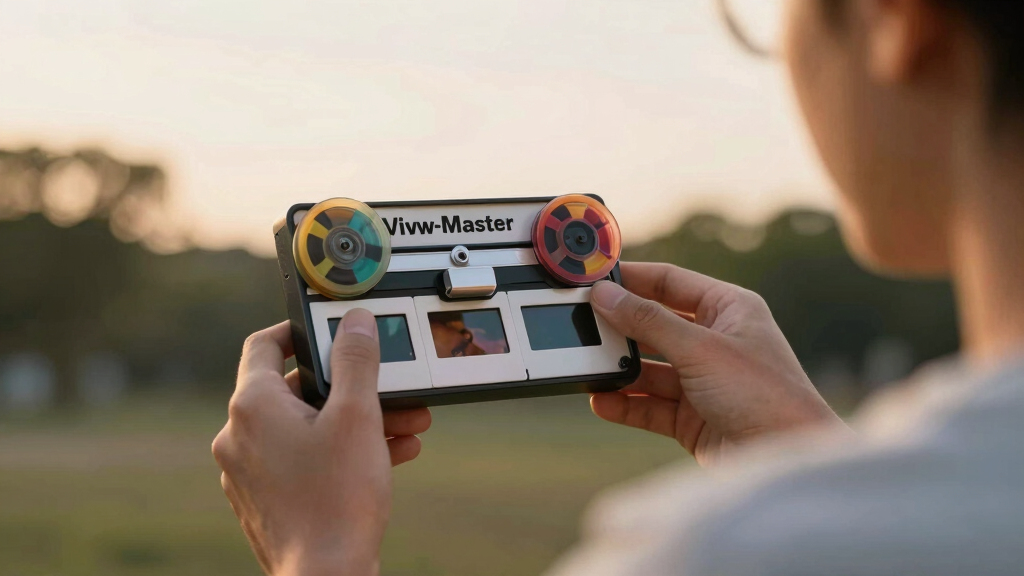
This article examines how View-Master slides were produced, focusing on the techniques and materials used. It highlights the role of dioramas and photographic methods, with insights from historical sources.
Recent investigations into the production of View-Master slides have uncovered detailed methods used to create the iconic stereoscopic images, including the construction of miniature dioramas and photographic techniques. This development offers new insight into a nostalgic technology that once brought imaginary scenes and media tie-ins to millions of viewers worldwide.
Historically, View-Master reels were produced through a combination of diorama craftsmanship and stereoscopic photography. Early efforts involved simple dioramas, but as the industry evolved, dedicated teams, including notable sculptors such as Florence Thomas, transitioned miniature scenes from small-scale models to detailed 1/6 scale dioramas. These miniature scenes were meticulously crafted to depict fairy tales, TV shows, and movies.
According to Hackaday, the process often started with physical models or miniatures, which were then photographed using stereo cameras capable of capturing the depth necessary for 3D effects. Some reels, especially those of TV shows or movies, were made from promotional images or paper cutouts, resulting in less engaging visual depth. Over time, many original miniatures and models were discarded, and detailed documentation on their creation has been lost.
Further, the production involved not only photography but also sculpting and scene composition, which required skilled artisans. The transition from small models to larger dioramas allowed for more realistic and immersive images, but the exact techniques and materials used in some cases remain partially undocumented, leading to ongoing research into the process.
Understanding the Craft Behind View-Master Slides
Revealing how View-Master slides were made enhances appreciation for an influential multimedia technology that predated digital media. It highlights the craftsmanship involved in creating immersive visual experiences and underscores the cultural importance of preserving these techniques. This knowledge also informs efforts to digitize and restore vintage reels, ensuring their historical value is maintained for future generations.
As an affiliate, we earn on qualifying purchases.
Historical Techniques in Stereoscopic Image Production
By the time the View-Master was introduced, stereophotography was already established as a way to produce 3D images of real-world locations. However, creating images of imaginary scenes, such as fairy tales or media tie-ins, required additional craftsmanship. Early reels used simple dioramas, but as the demand for more detailed and engaging scenes grew, dedicated teams and artisans, including sculptors like Florence Thomas, developed more sophisticated miniature models to enhance visual realism. Unfortunately, much of this original work was discarded, and detailed records of the process are scarce.
Recent research, including insights from Hackaday, suggests that the production process involved sculpting, scene composition, and stereoscopic photography, often with custom-built miniature sets. These methods allowed for the creation of highly detailed, immersive images that captivated audiences before the advent of VCRs and digital media.
“The transition from small-scale models to larger dioramas allowed for more realistic and immersive images, but the exact techniques and materials used in some cases remain partially undocumented.”
— an anonymous researcher
stereoscopic photography equipment
As an affiliate, we earn on qualifying purchases.
As an affiliate, we earn on qualifying purchases.
Uncertainties in the Original Manufacturing Methods
It is not yet fully clear how many of the original miniature dioramas and models have survived or whether detailed documentation exists. The specific materials, sculpting techniques, and photographic setups used in some of the most iconic reels remain partially undocumented, leaving gaps in the complete understanding of the process.
As an affiliate, we earn on qualifying purchases.
Future Research and Preservation Efforts
Researchers and historians aim to further investigate surviving production notes, interview artisans involved in early manufacturing, and analyze existing reels to reconstruct the production techniques. Efforts are also underway to digitize and restore vintage reels, preserving this unique aspect of multimedia history for educational and cultural purposes.
As an affiliate, we earn on qualifying purchases.
Key Questions
How were the original View-Master slides created?
They were produced using miniature dioramas or models, which were photographed with stereo cameras to create the 3D effect. Some reels used promotional images or paper cutouts, with craftsmanship varying over time.
Who was involved in making the scenes for the reels?
Skilled artisans, including sculptors like Florence Thomas, played a key role in designing and building the miniature scenes used in the reels.
Are the original manufacturing techniques well documented?
No, much of the original documentation has been lost or discarded, making it difficult to fully reconstruct the process.
What materials were used in creating the miniatures?
Details are scarce, but early miniatures likely involved sculpting materials such as clay, plaster, or similar modeling compounds, combined with painting and scene assembly techniques.
Will this research help in restoring vintage reels?
Yes, understanding the original manufacturing methods can guide restoration and digitization efforts, helping preserve the visual and historical integrity of vintage reels.
Source: Hackaday
Fall Picks
fall essentials
As an affiliate, we earn on qualifying purchases.