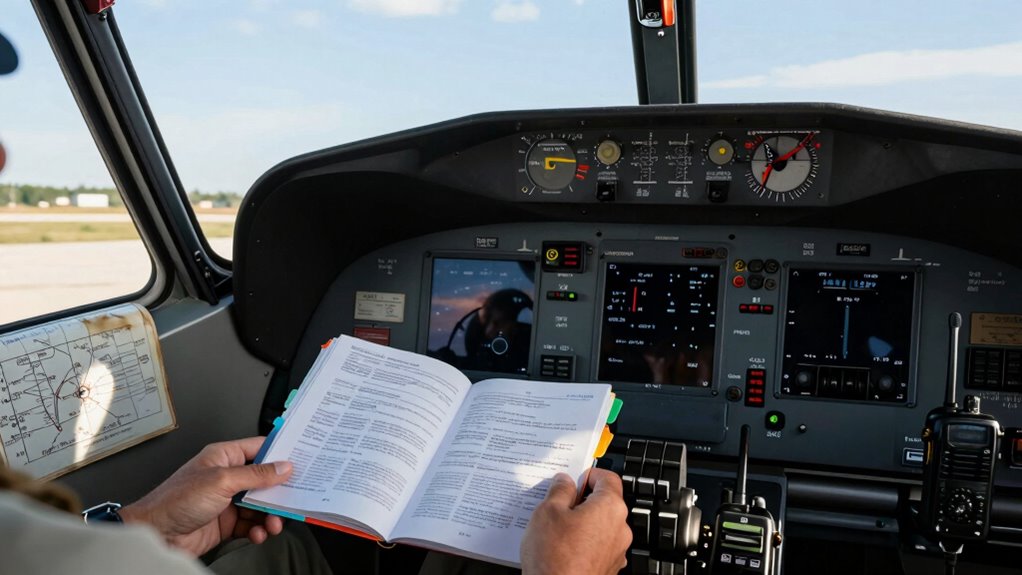

Many recreational pilots mistakenly believe that holding a license gives them unlimited freedom to fly anywhere, but FAA rules impose specific restrictions for safety and legality. You might not realize that licenses come with limits on airspace, altitude, and aircraft use, especially near airports or controlled zones. Ignoring these rules can lead to danger or trouble with authorities. If you stay informed, you’ll better understand these important regulations and guarantee your flights are both safe and legal—there’s much more to learn.

Get the latest gadgets delivered free with Prime
- Fast, free delivery on millions of items
- Prime Video, Amazon Music and more included
- Member-only deals all year
Key Takeaways
- Many recreational pilots mistakenly believe their license allows unrestricted aircraft operation without restrictions.
- They often underestimate the importance of understanding airspace rules and ATC communication requirements.
- Pilots may ignore temporary flight restrictions (TFRs), believing they don’t apply to recreational flying.
- Some assume VFR conditions exempt them from cloud clearance and visibility regulations.
- They may lack awareness of specific rules for VFR and IFR flights, risking violations during changing weather conditions.
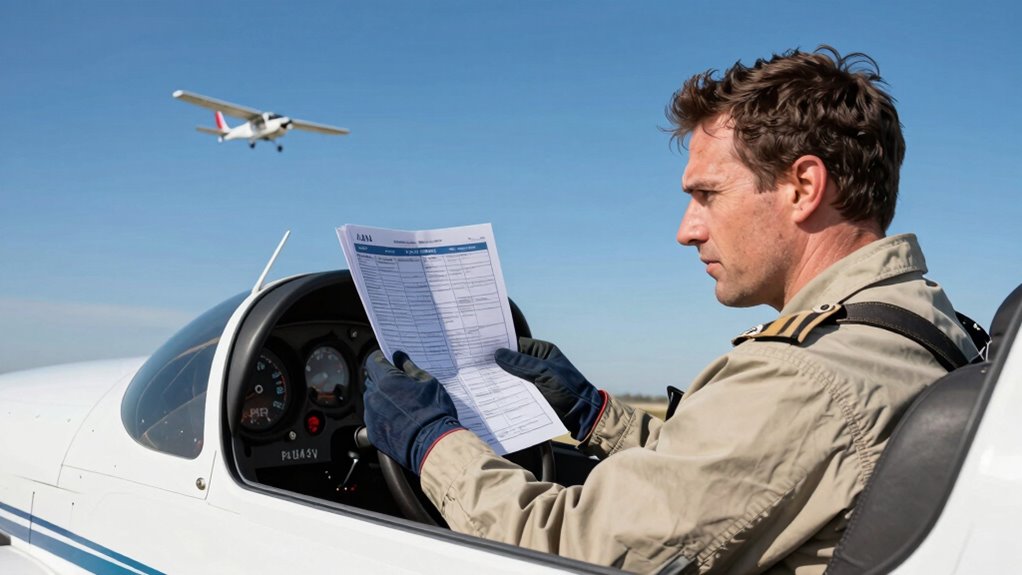
Are you interested in flying but unsure about the rules that govern recreational pilots? Many new pilots think that once they get their pilot license, they’re free to fly anywhere and do anything. However, understanding FAA rules is essential to staying safe and legal. One common misconception is that pilot licensing alone grants unlimited freedom to operate aircraft. In reality, your pilot certificate comes with specific restrictions, and knowing the airspace regulations you must follow is vital. Recreational pilots often believe they can ignore certain airspace rules because they’re not commercial pilots, but that’s not the case. The FAA has clear regulations about which airspace types you can operate in and under what conditions. For example, controlled airspace near airports requires you to communicate with Air Traffic Control (ATC) unless you’re operating under specific visual flight rules (VFR) exceptions.
Many recreational pilots underestimate the significance of airspace regulations. You might think that flying low or sticking to certain routes keeps you safe, but ignoring airspace rules can lead to dangerous situations and legal penalties. You’re responsible for understanding where you can and cannot fly, what minimum visibility and cloud clearance requirements apply, and when you need to file a flight plan or contact ATC. These regulations aren’t arbitrary—they’re designed to guarantee everyone’s safety, especially in busy airspace. You also need to be aware of restrictions like temporary flight restrictions (TFRs), which can be issued suddenly and restrict access to certain areas. Failing to stay updated on these can result in violations. Additionally, many recreational pilots are unaware that airspace classifications vary in complexity and specific rules, making it crucial to familiarize yourself with them. It’s also important to note that airspace restrictions are subject to change, so staying informed is an ongoing responsibility. Understanding airspace types and their specific rules can help you plan safer flights and avoid inadvertent violations. Being aware of regulatory updates can help you adapt quickly and avoid violations. Moreover, understanding the rules for VFR and IFR flights is key to ensuring compliance during different flight conditions.
FAA airspace chart for recreational pilots
As an affiliate, we earn on qualifying purchases.
As an affiliate, we earn on qualifying purchases.
Frequently Asked Questions
Can Recreational Pilots Fly Internationally Under FAA Rules?
As a recreational pilot, you can’t fly internationally under FAA rules alone. You need specific international permissions, like a customs declaration and clearance, and must follow the regulations of the country you’re visiting. Your pilot licensing, such as a recreational pilot certificate, is only valid within the U.S. unless you have additional certifications or permissions. Always check international aviation laws and coordinate with authorities before planning such flights.
Do FAA Rules Change for Recreational Pilots Over Time?
Like the ever-changing tides, FAA rules for recreational pilots do evolve over time, especially regarding pilot licensing and flight planning. You need to stay updated because regulations can shift, impacting how you fly and plan your flights. Regularly review FAA notices and updates, ensuring your knowledge remains current. Staying informed helps you navigate safely and legally, just as sailors adjust their sails to the wind’s changing direction.
Are There Specific Restrictions for Night Flying as a Recreational Pilot?
As a recreational pilot, you face specific restrictions for night flying. FAA limits night operations until you gain additional experience or certifications. These night flying restrictions are part of recreational pilot limitations designed for safety, meaning you can’t fly after sunset until you meet certain requirements. Always check current regulations, stay within your experience level, and avoid night flying until you’re properly authorized to guarantee compliance and safety.
How Often Must Recreational Pilots Complete Training or Checks?
As a recreational pilot, you need to complete a flight review every 24 calendar months, which includes pilot training and a flight check with an instructor. This review guarantees your skills stay current and compliant with FAA regulations. During the flight check, you’ll demonstrate your ability to handle various flight situations. Regular flight checks help maintain your proficiency and keep you prepared for safe flying.
Can Recreational Pilots Carry Passengers on All Flights?
You can’t carry passengers on all flights as a recreational pilot. Passenger limitations and flight restrictions are in place to guarantee safety and compliance with FAA rules. These restrictions mean you’re only allowed to carry passengers during daylight hours, in visual meteorological conditions, and within certain distances from an airport. Ignoring these rules could lead to penalties or loss of your pilot privileges, so always stay within the authorized limits.
As an affiliate, we earn on qualifying purchases.
Conclusion
Understanding FAA rules might seem challenging, but it’s your shield in the skies. Think of each regulation as a clear, guiding lighthouse beam cutting through fog—keeping you safe and confident on every flight. When you follow the rules, you’re not just avoiding trouble; you’re carving your own path through the clouds, like a skilled pilot steering a clear blue sky. Embrace the rules, and your flying adventures will always stay soaring smoothly.
airspace restriction map for pilots
As an affiliate, we earn on qualifying purchases.
As an affiliate, we earn on qualifying purchases.
aviation headsets for recreational flying
As an affiliate, we earn on qualifying purchases.
As an affiliate, we earn on qualifying purchases.
Fall Picks
fall essentials
As an affiliate, we earn on qualifying purchases.