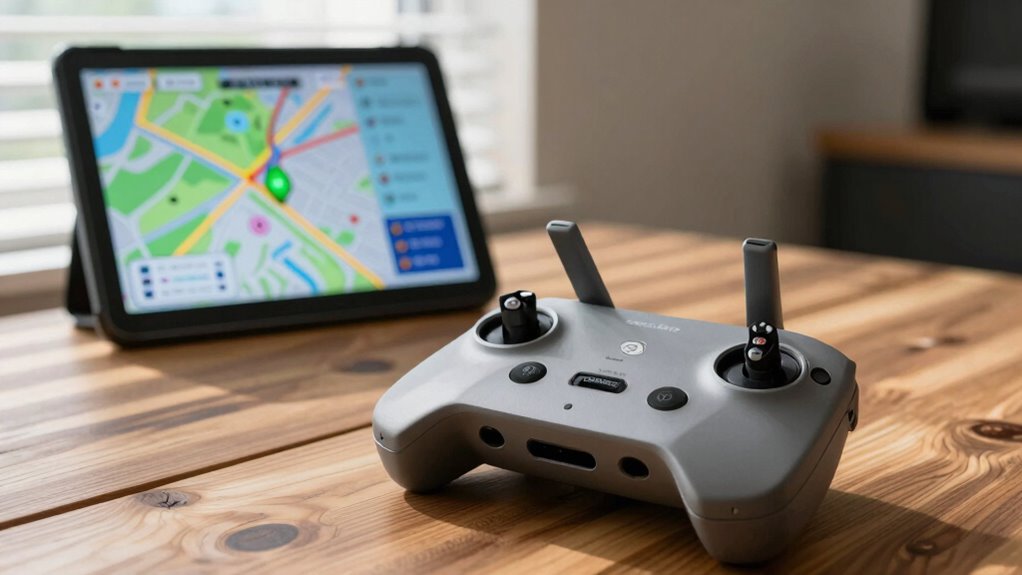

To understand drone laws without getting lost in legal language, focus on clear rules like registration, privacy protection, and local restrictions. Keep track of your drone’s weight and usage to know when registration applies. Always respect privacy by avoiding capturing private property without permission. Stay updated on local regulations and use trustworthy sources for accurate info. If you keep exploring, you’ll find simple tips to make flying safe and legal every time.

Get the latest gadgets delivered free with Prime
- Fast, free delivery on millions of items
- Prime Video, Amazon Music and more included
- Member-only deals all year
Key Takeaways
- Focus on the main regulations, like registration, privacy, and restricted areas, rather than complex legal jargon.
- Use official government or drone authority websites for clear, simplified guidelines.
- Stay updated with local rules through summaries or bulletins instead of full legal texts.
- Join drone communities or forums for practical advice and simplified explanations.
- Use checklists or visual guides to quickly understand key legal requirements before flying.
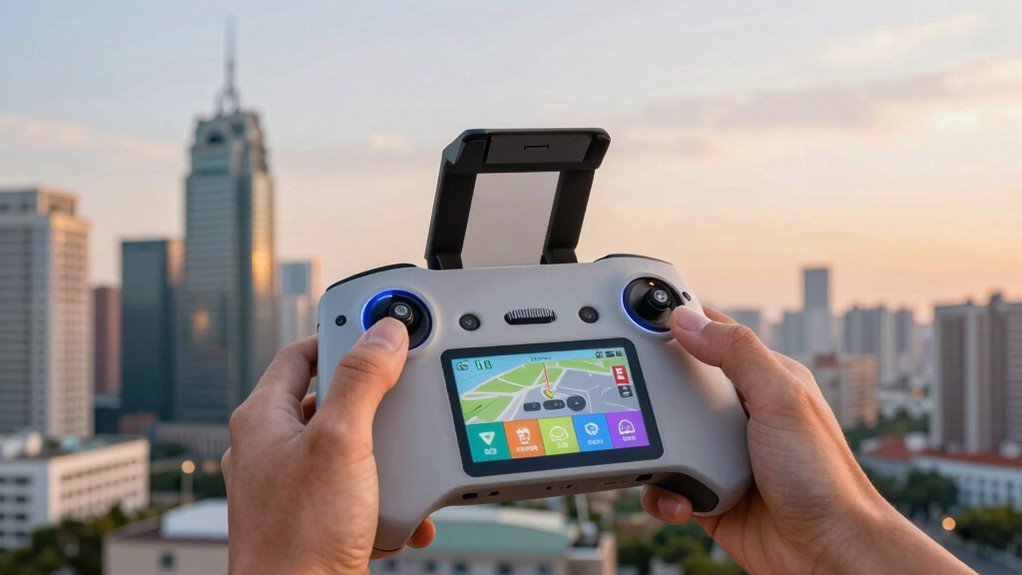
Are you aware of the rules governing drone use in your area? If not, you might find yourself facing fines or losing access to your drone altogether. Understanding drone laws can seem overwhelming, especially with the jargon and legal language involved. However, a good starting point is to familiarize yourself with two key components: drone registration and privacy regulations. These are fundamental to flying legally and responsibly.
Drone registration is often a mandatory step before you even take your drone off the ground. Most jurisdictions require you to register your drone if it exceeds a certain weight or if you plan to use it commercially. Registration processes are usually straightforward; you’ll need to provide basic information about yourself and your drone, and in return, you’ll get a registration number that must be marked on your device. This step helps authorities identify and track drones, making it easier to enforce regulations and ensure safety in the skies. Skipping this step can lead to hefty penalties, so always check whether your drone needs to be registered in your specific area. Additionally, understanding the regulatory framework can help you stay compliant with evolving laws. Being aware of local regulations can also prevent unintentional violations during your flights. It’s also beneficial to stay informed about any updates or changes in drone legislation to avoid accidental infractions.
Register your drone if it’s above a certain weight or used commercially to ensure legal and safe flying.
Privacy regulations are equally important and can sometimes be overlooked. These rules are designed to protect individuals’ privacy rights from intrusive surveillance. Essentially, you need to respect people’s privacy when flying your drone, which means avoiding capturing images or videos of private property or individuals without their consent. Many regions have specific laws about where and when you can fly, especially around private homes, schools, or government buildings. Violating privacy regulations can lead to civil or criminal charges, even if you’re flying legally in other aspects. To stay compliant, always be aware of local restrictions and use common sense—if someone objects or if your flight could intrude on someone’s privacy, reconsider your plans. Additionally, knowing about drone registration and privacy regulations can help you avoid unintentional violations and stay within legal boundaries. Staying informed about privacy laws ensures that your drone activities respect everyone’s rights and maintain your good standing as a responsible drone operator.
As an affiliate, we earn on qualifying purchases.
Frequently Asked Questions
Do I Need a License to Fly a Drone Commercially?
Yes, you need a license to fly a drone commercially. You must obtain a Part 107 certification from the FAA, which involves passing a knowledge test. Having drone insurance is highly recommended to protect against accidents, and you should be aware of privacy concerns when operating commercially. Ensuring compliance with these regulations helps avoid legal issues and demonstrates professionalism in your drone operations.
Are There Age Restrictions for Drone Pilots?
Like the dawn breaking over a new horizon, drone age restrictions set the early limits for aspiring pilots. You must meet pilot age requirements—usually 16 or older—to fly commercially, and some regions may have lower age limits for recreational flying. These rules serve as the foundation for safe skies, ensuring your journey begins with responsibility. Respect these age restrictions, and you’ll navigate the drone world with confidence and clarity.
How Do I Register My Drone Legally?
To register your drone legally, you need to visit the official FAA website or your country’s aviation authority. Complete the required drone registration process, providing details like your name, contact info, and drone specifications. Once registered, you’ll receive a registration number that must be marked on your drone. This step guarantees legal compliance, helps you avoid fines, and keeps you informed about current drone laws and regulations.
What Are the Penalties for Violating Drone Laws?
Violating drone laws is like sailing into stormy waters—you risk hefty penalties, fines, or even losing your flying privileges. If you ignore insurance requirements or invade privacy, authorities can impose severe consequences. You might face legal action, hefty fines, or confiscation of your drone. To stay safe, always respect privacy concerns and meet insurance standards, ensuring your flying adventures stay smooth and trouble-free, avoiding trouble that could sink your drone dreams.
Can I Fly a Drone Internationally?
Yes, you can fly a drone internationally, but you must follow international regulations and local laws of each country. Cross border flying requires understanding customs, import restrictions, and specific drone rules within each jurisdiction. Before flying abroad, research each country’s drone regulations thoroughly, obtain necessary permits if needed, and respect no-fly zones. Staying informed helps you avoid legal issues and guarantees safe, enjoyable international drone experiences.
As an affiliate, we earn on qualifying purchases.
Conclusion
Charting drone laws might seem intimidating, but remember, they’re designed to keep everyone safe—like the guiding stars in your sky. Keep yourself informed, stay updated, and respect the rules. Think of these laws as your map, not barriers; they’re here to help you soar responsibly. So, don’t let legal jargon weigh you down—embrace the knowledge, and let your passion for flying take flight with confidence and clarity. After all, understanding is the wind beneath your wings.
Drone legal compliance checklist
As an affiliate, we earn on qualifying purchases.
As an affiliate, we earn on qualifying purchases.
As an affiliate, we earn on qualifying purchases.
Halloween Picks
halloween
As an affiliate, we earn on qualifying purchases.