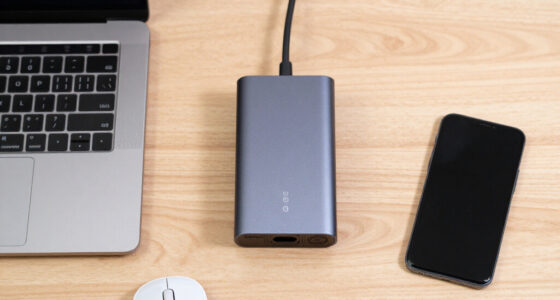

Choosing the right VR capture and streaming PC involves balancing raw performance, compatibility, and ease of use. The best overall pick, the Elgato 4K X Capture Card, stands out for its ultra-low latency and 4K resolution, ideal for professional streamers. The XIIXMASK USB 3.0 HDMI Capture Card offers excellent 4K60FPS capture at a more affordable price, making it a strong value choice. However, buyers face tradeoffs between high-end features like 4K60FPS and budget-friendly options that might sacrifice some quality or latency. Continue reading for a detailed breakdown of each product and what makes them suitable for different needs.

Get the latest gadgets delivered free — and shop member deals
- Fast, free delivery on millions of items
- Access to Prime Big Deal Days deals on October 6–7
- Prime Video, Amazon Music and more included
Complete the kit


Key Takeaways
- The highest-end options prioritize 4K60FPS capture with ultra-low latency, but come at a premium price.
- Budget-friendly capture cards often support 1080P or 2K resolution, which may suffice for casual or beginner streamers.
- Compatibility with gaming headsets and VR headsets like Meta Quest is a key factor for VR-specific streaming setups.
- Connectivity options like HDMI 2.1 and USB-C are increasingly important for future-proofing and ease of use.
- Tradeoffs often involve balancing resolution, frame rates, latency, and price; no single product excels in all areas.
| XIIXMASK USB 3.0 HDMI Capture Card, 4K60FPS Capture with Pass-Through |  | Best Overall for Versatile High-Quality Streaming | Video Capture Resolution: 4K60FPS | Pass-Through Resolution: 4K | High Frame Rate Recording: 1080p120FPS | VIEW ON AMAZON | See Our Full Breakdown |
| Elgato 4K X Capture Card, HDMI 2.1, 4K144 Ultra-Low Latency |  | Best for High-Performance 4K Gaming and Streaming | Resolution: 4K at 144fps | HDMI Version: HDMI 2.1 | Frame Rate: up to 240fps in 1080p | VIEW ON AMAZON | See Our Full Breakdown |
| Guermok Video Capture Card, 4K USB3.0 HDMI to USB C, 1080P 60FPS & 2K 30FPS |  | Best for Portable 4K Capture on the Go | Input Resolution: up to 4K@30Hz | Output Resolution: up to 2K@30Hz or 1080p@60Hz | Transmission: USB 3.0 | VIEW ON AMAZON | See Our Full Breakdown |
| Guermok 4K USB 3.0 HDMI Capture Card for Streaming with PD 100W |  | Best for Continuous Power and 4K60FPS Streaming | Video Capture Resolution: 1080p, 4K | Hardware Interface: USB 3.0 | Operating System: Mac OS, Windows 10/11 | VIEW ON AMAZON | See Our Full Breakdown |
| Video Capture Card with PD 100W for Meta Quest 2/3/3s, HDMI to USB-C/USB-A Adapter 1080P@60FPS for Streaming and Recording |  | Best for VR Streaming and Versatile Device Compatibility | Video Resolution: 1080P@60FPS | Power Delivery: PD 100W | Cable Length: 2 meters / 79 inches | VIEW ON AMAZON | See Our Full Breakdown |
| Capture Card, 4K HDMI Video Capture Card, 1080P 60FPS, USB 3.0 for Streaming and Recording |  | Best Budget 1080p Capture Card for Simplicity and Compatibility | Resolution: 1080p at 60FPS | Input Support: 4K30/60Hz, 1080p120/144Hz | Output Support: up to 2K30Hz | VIEW ON AMAZON | See Our Full Breakdown |
| Guermok 4K USB 3.0 HDMI Video Capture Card for Streaming |  | Best 4K Capture with USB-C Charging for Extended VR Sessions | Video Resolution: 4K@60FPS | Input: HDMI | Output: USB 3.0/USB-C | VIEW ON AMAZON | See Our Full Breakdown |
| vr capture and streaming pc | Compatibility |
|---|---|
| XIIXMASK USB 3.0 HDMI Capture | Windows 7/8/10/11, macOS, Linux, Android 5.0+, iPadOS 17+ |
| Elgato 4K X Capture Card | — |
| Guermok Video Capture Card | Windows 7/8/10, Mac OS, Linux, Android, consoles |
| Guermok 4K USB 3.0 HDMI Captur | — |
| Video Capture Card with PD 100 | Meta Quest 2/3/3s, Switch, Xbox, PS4/5, Steam Deck |
| Capture Card | Windows, Mac OS |
| Guermok 4K USB 3.0 HDMI Video | — |
More Details on Our Top Picks
XIIXMASK USB 3.0 HDMI Capture Card, 4K60FPS Capture with Pass-Through
This capture card stands out for its support of 4K60FPS input and pass-through, making it a strong choice for streamers who prioritize image quality without sacrificing compatibility. Compared with the Elgato 4K X, it offers broader device support and easier plug-and-play setup, but lacks the ultra-low latency and advanced features of the Elgato. Its broad compatibility with consoles, PCs, and mobile devices makes it ideal for mixed-platform creators, but it relies heavily on a stable USB 3.0 connection and doesn’t include bundled software, which could limit immediate usability for some users.
Pros:- Supports 4K60FPS capture and pass-through for high-quality streaming
- Broad compatibility across devices and OS
- Plug-and-play setup with no drivers required
- Includes audio input and microphone output for integrated sound
Cons:- Requires USB 3.0 port for optimal performance
- Limited information on bundled accessories or software
Best for: Content creators seeking flexible device compatibility and straightforward setup for high-quality 4K streaming.
Not ideal for: Professional gamers or streamers who need ultra-low latency and advanced features, as this model lacks specialized gaming optimizations.
- Video Capture Resolution:4K60FPS
- Pass-Through Resolution:4K
- High Frame Rate Recording:1080p120FPS
- Video Formats Supported:MJPEG, YUY2, NV12, XRGB
- Audio Input:3.5mm
- Compatibility:Windows 7/8/10/11, macOS, Linux, Android 5.0+, iPadOS 17+
Our verdict“This pick is best for streamers who need versatile, high-quality 4K capture with broad device support and simple setup.”
Elgato 4K X Capture Card, HDMI 2.1, 4K144 Ultra-Low Latency
The Elgato 4K X excels in delivering 4K144 streaming with ultra-low latency, making it ideal for competitive gamers and professional broadcasters. Its HDMI 2.1 support and VRR passthrough enable smooth gameplay with minimal delay, outperforming the other options in responsiveness. However, its high cost and need for compatible hardware and software setup may deter casual streamers. Compared to the XIIXMASK, it offers significantly lower latency and better support for high refresh rates, but at the expense of increased complexity and price.
Pros:- Supports 4K resolution at 144fps for smooth streams
- Ultra-low latency ideal for competitive gaming
- HDMI 2.1 support with VRR passthrough
- Compatible with multiple streaming platforms
Cons:- Requires high-end hardware and setup
- Higher price point compared to other capture cards
- Potentially complex to configure for beginners
Best for: Gamers and streamers requiring ultra-responsive performance at 4K resolution with the latest HDMI standards.
Not ideal for: Casual users or those on a budget, as it demands high-end hardware and incurs a premium price for its advanced features.
- Resolution:4K at 144fps
- HDMI Version:HDMI 2.1
- Frame Rate:up to 240fps in 1080p
- Latency:Ultra-low
- Connectivity:USB 3.2 Gen 2
Our verdict“This is best suited for professional gamers and broadcasters who prioritize ultra-low latency and 4K clarity.”
Guermok Video Capture Card, 4K USB3.0 HDMI to USB C, 1080P 60FPS & 2K 30FPS
This capture card offers a compelling balance of 4K input and portable design, making it a prime choice for outdoor streaming or mobile setups. While it supports 1080p60FPS and 2K30FPS output, it doesn’t match the Elgato’s ultra-low latency or the high refresh rate capabilities of the XIIXMASK. Its compatibility across many devices, including consoles and PCs, is a plus, but it requires software for recording and streaming, adding an extra step to the setup. The aluminum case enhances durability but doesn’t compensate for the limited output resolutions compared to more advanced models.
Pros:- Supports 4K input with 1080p 60FPS output
- Portable, lightweight, and durable design
- Broad device compatibility
- Plug-and-play with no drivers needed
Cons:- Requires capture software for streaming and recording
- Limited to HDMI to USB-C transmission
- Potential signal loss with certain cables
Best for: Streamers who need a portable, easy-to-use device for outdoor or on-the-move content creation.
Not ideal for: High-end streamers or gamers who demand 4K at high frame rates or ultra-low latency for competitive play.
- Input Resolution:up to 4K@30Hz
- Output Resolution:up to 2K@30Hz or 1080p@60Hz
- Transmission:USB 3.0
- Compatibility:Windows 7/8/10, Mac OS, Linux, Android, consoles
- Material:Aluminum alloy
Our verdict“This is an excellent choice for mobile streamers who prioritize portability over ultra-high resolution or latency.”
Guermok 4K USB 3.0 HDMI Capture Card for Streaming with PD 100W
This capture card combines 4K60FPS capture with the convenience of PD 100W charging, making it suitable for long streaming sessions without power concerns. Its support for high refresh rates and broad compatibility, including consoles and PCs, makes it a flexible choice. However, unlike the Elgato or XIIXMASK, it introduces some latency due to video decoding, and it cannot display directly to a monitor—limiting real-time preview options. Its plug-and-play nature is appealing, but some setups may require careful cable management to prevent signal issues.
Pros:- Supports 4K at 60FPS for high-quality streams
- Includes PD 100W charging passthrough for uninterrupted power
- Broad device compatibility
- Plug-and-play with no drivers needed
Cons:- Cannot directly display to monitor
- Potential signal loss with improper cables
- Latency from video decoding
Best for: Streamers and gamers who need high-resolution capture plus reliable power supply during extended sessions.
Not ideal for: Professional broadcasters or those requiring ultra-low latency, as the added decoding process introduces delay.
- Video Capture Resolution:1080p, 4K
- Hardware Interface:USB 3.0
- Operating System:Mac OS, Windows 10/11
- Video Formats:MJPEG, YUY2, NV12, XRGB
- Power Input:PD 100W USB-C
Our verdict“Ideal for long streaming sessions needing high resolution and power stability, but less suited for latency-sensitive gaming.”
Video Capture Card with PD 100W for Meta Quest 2/3/3s, HDMI to USB-C/USB-A Adapter 1080P@60FPS for Streaming and Recording
This capture card excels in supporting 1080P@60FPS with PD 100W charging, making it a practical choice for VR streamers and users with multiple devices. Its compatibility with Meta Quest, Switch, consoles, and mobile devices broadens its appeal, though it limits resolution to 1080P, which may not meet the needs of users seeking 4K quality. The aluminum case ensures durability, but users should be mindful of the setup process to avoid connection issues. Compared to the higher-end options, it offers solid performance at a more accessible price point for VR-focused streaming.
Pros:- Supports 1080P at 60FPS for smooth streaming
- Includes PD 100W fast charging for continuous play
- Durable aluminum shell
- Wide device compatibility including VR headsets
Cons:- Limited to 1080P resolution
- Requires setup and software configuration
- Some connectivity issues if not properly connected
Best for: VR streamers and gamers who value device versatility and reliable power delivery over ultra-high resolutions.
Not ideal for: Content creators aiming for 4K resolution or ultra-low latency, as this model is optimized for mobility and durability rather than premium quality output.
- Video Resolution:1080P@60FPS
- Power Delivery:PD 100W
- Cable Length:2 meters / 79 inches
- Compatibility:Meta Quest 2/3/3s, Switch, Xbox, PS4/5, Steam Deck
- Material:Aluminum shell
Our verdict“Best suited for VR streamers and mobile users who need reliable power and broad device support with decent quality.”
Capture Card, 4K HDMI Video Capture Card, 1080P 60FPS, USB 3.0 for Streaming and Recording
This capture card stands out for its straightforward, plug-and-play design that delivers reliable 1080p 60FPS footage without the complexity of high-end options like the Elgato 4K 144. Its support for high-quality video at a more accessible price point makes it ideal for streamers who prioritize ease of use over ultra-high resolutions. Compared with the Guermok 4K USB 3.0, it offers less resolution but benefits from broader system compatibility and a simpler setup. The main tradeoff is its limited output resolution of 2K30Hz and the absence of 4K capture, which could matter for those wanting future-proofing or higher fidelity. Still, for those focused on straightforward live streaming or recording in 1080p, this device provides a dependable, no-fuss option.
Pros:- Supports high-quality 1080p 60FPS video capture
- Plug-and-play design with no driver needed
- Compatible with multiple systems and devices
- Includes HDMI loop-out and microphone input
Cons:- Does not support 4K120Hz/144Hz input
- Limited to 2K30Hz output resolution
- Microphone input only accepts 3.5mm TRS headsets
Best for: Budget-conscious streamers or content creators who primarily publish in 1080p and value simplicity.
Not ideal for: Pros who need 4K recording or higher refresh rate outputs for demanding gaming or professional production.
- Resolution:1080p at 60FPS
- Input Support:4K30/60Hz, 1080p120/144Hz
- Output Support:up to 2K30Hz
- Interface:USB 3.0
- Compatibility:Windows, Mac OS
- Features:HDMI loop-out, microphone input
Our verdict“This pick is well-suited for streamers seeking reliable 1080p footage without complex setup or high-cost features.”
Guermok 4K USB 3.0 HDMI Video Capture Card for Streaming
This device supports 4K@60FPS, making it a clear choice for those who need ultra high-definition footage, especially compared to the B097DKNS1M’s 1080p limit. Its USB-C PD 100W passthrough allows for uninterrupted power during long VR or mobile streaming sessions, which can be a game-changer for extended broadcasts or creative workflows. Unlike the Elgato 4K X, which offers ultra-low latency and higher-end features, the Guermok excels in portability and versatility with its USB-C connector and support for multiple formats like MJPEG and NV12. The main tradeoff is that it requires capture software, and lacks HDMI output, which could complicate setups that rely on direct HDMI pass-through or multiple screens. Overall, this card makes the most sense for users who want high-res capture combined with mobile-friendly features.
Pros:- Supports ultra HD 4K video capture at 60FPS
- Includes PD 100W USB-C charging passthrough
- Plug-and-play with multiple OS and devices
- Ergonomic 90° USB-C connector ideal for VR and mobile setups
Cons:- Requires additional capture software for streaming
- No HDMI output for direct pass-through
- Possible signal loss if cables or HDCP settings are misconfigured
Best for: VR streamers, mobile content creators, or anyone needing high-res capture with ongoing power support.
Not ideal for: Streamers seeking a simple, no-software solution or those requiring HDMI pass-through for multi-monitor setups.
- Video Resolution:4K@60FPS
- Input:HDMI
- Output:USB 3.0/USB-C
- Charging:PD 100W USB-C passthrough
- Supported Formats:MJPEG, YUY2, NV12, XRGB
- Refresh Rate:2K@120FPS, 1080P@120FPS
- Cable Length:3.3 ft
- Design:90° right-angle USB-C connector
Our verdict“This capture card is best for users who need high-resolution recording with reliable power delivery during extended VR or mobile sessions.”

How We Picked
To determine the best VR capture and streaming PCs, I evaluated each product based on performance, compatibility, build quality, and value. I prioritized options that supported high-resolution, low-latency capture suitable for VR streaming, while considering ease of setup and user experience. Products were ranked by their ability to meet demanding VR streaming needs without excessive cost or complexity. The selection process aimed to highlight a range of options, from budget-friendly to premium, ensuring that different types of buyers find suitable solutions.| vr capture and streaming pc | Compatibility |
|---|---|
| XIIXMASK USB 3.0 HDMI Capture | Windows 7/8/10/11, macOS, Linux, Android 5.0+, iPadOS 17+ |
| Elgato 4K X Capture Card | — |
| Guermok Video Capture Card | Windows 7/8/10, Mac OS, Linux, Android, consoles |
| Guermok 4K USB 3.0 HDMI Captur | — |
| Video Capture Card with PD 100 | Meta Quest 2/3/3s, Switch, Xbox, PS4/5, Steam Deck |
| Capture Card | Windows, Mac OS |
| Guermok 4K USB 3.0 HDMI Video | — |
Factors to Consider When Choosing Vr Capture And Streaming Pc
When selecting a VR capture and streaming PC, several factors come into play beyond raw specs. Understanding these will help you avoid common pitfalls and choose a setup that aligns with your specific needs and budget. From resolution and latency to hardware compatibility, each element impacts your streaming quality and ease of use. Investing wisely can save you time and money, especially as VR technology evolves rapidly.Performance and Resolution
Ensure your capture card can handle the resolution and frame rates you need, typically 4K at 60FPS for high-quality VR streaming. Cheaper options may support only 1080P or 2K, which might be acceptable for casual use but can limit your streaming quality. Remember, higher resolution and frame rates demand more from your PC’s processing power and storage capabilities. Choosing a card with the right balance avoids bottlenecks that could cause lag or dropped frames, especially in VR applications where timing is critical.
Compatibility and Connectivity
Verify that the capture card supports your VR headset and other streaming hardware. HDMI 2.1 and USB-C are becoming standard for future-proofing, offering faster data transfer and better compatibility with newer VR headsets. Additionally, check if the device offers pass-through features, which allow you to use your VR headset normally without latency issues. Compatibility issues are common pitfalls; selecting a device with broad support minimizes setup headaches and ensures seamless integration into your streaming setup.
Latency and Pass-Through Features
Low latency is non-negotiable for VR streaming, where even milliseconds matter. A capture card with pass-through capabilities allows you to see yourself in VR while streaming, without noticeable delay. Overlooking latency can lead to disjointed experiences and frustration during live broadcasts. Prioritize products that advertise ultra-low latency and pass-through support, especially if you plan to use VR headsets actively during streaming sessions.
Build Quality and Ease of Use
Durability and straightforward setup are essential, particularly if you plan to stream regularly. Look for devices with solid construction and user-friendly interfaces that don’t require complex configurations. Some cards come with bundled software that simplifies streaming, which can be a lifesaver for beginners. Investing in a well-built, easy-to-use device reduces technical issues and downtime, making your streaming experience smoother overall.
Value and Future-Proofing
While high-end capture cards can be tempting, it’s important to consider whether their features justify the cost for your specific needs. Look for models that support upcoming standards like HDMI 2.1 and USB-C, which will keep your setup relevant longer. Conversely, if budget is tight, prioritize essential features like resolution and latency over extras. The right choice balances current needs with future compatibility, avoiding the trap of paying extra for features you won’t use right away.
Frequently Asked Questions
Can I use a standard gaming PC for VR capture and streaming?
Yes, a standard gaming PC can handle VR capture and streaming if it has a capable GPU, sufficient RAM, and fast storage. The key is ensuring your PC’s hardware can process high-resolution video at low latency while running VR applications smoothly. Upgrading components like the GPU or adding a dedicated capture card can significantly improve performance. Keep in mind that integrated or lower-end systems might struggle with 4K60FPS capture, leading to lag or dropped frames.
What is the best resolution for VR streaming?
Most professional VR streamers aim for at least 1080P at 60FPS, but 4K at 60FPS offers the highest clarity and immersion, especially for high-end VR headsets. The choice depends on your hardware capabilities, internet bandwidth, and target audience. Higher resolutions demand more from your streaming setup and internet connection, so if your hardware is limited, 2K or 1080P might be more practical. Balance resolution with frame rate and latency to deliver a smooth experience.
Do I need a pass-through feature on my capture card?
Pass-through support is highly recommended, especially for VR streaming, as it allows you to use your VR headset normally without noticeable delay. This feature ensures that you can see your VR environment and yourself in real-time during streams, improving interaction and immersion. Without pass-through, you might experience latency that disrupts gameplay or makes the VR experience less responsive. Always check if the capture card supports pass-through for the best VR streaming experience.
Is HDMI 2.1 necessary for VR capture?
HDMI 2.1 offers faster data transfer speeds and supports higher resolutions and refresh rates, making it beneficial for future-proofing your setup. While not strictly necessary today, HDMI 2.1 can help ensure compatibility with upcoming VR headsets and graphics cards. If you plan to upgrade or want the most seamless experience, choosing a device with HDMI 2.1 support can reduce the need for future replacements. However, many current capture cards with HDMI 2.0 still deliver excellent performance for most VR streaming needs.
How important is latency in VR capture and streaming?
Latency is critical in VR streaming because even small delays can break immersion and cause discomfort. Low latency ensures that your VR environment responds instantly to your movements, providing a more natural experience for viewers. Higher latency can lead to lag between your actions and the streamed output, which is especially noticeable during fast-paced gameplay. Prioritizing a capture card with ultra-low latency and pass-through features is essential for high-quality VR streams.
Conclusion
For most users, the Elgato 4K X Capture Card offers the best balance of performance and ease of use, making it ideal for serious streamers and VR enthusiasts seeking high-quality output. Budget-conscious streamers should consider the XIIXMASK USB 3.0 HDMI Capture Card, which delivers solid 4K support at a more affordable price. If you’re new to streaming or working with a tight budget, the less complex options with 1080P support will still get you started effectively. For VR-specific setups, prioritize models with pass-through and HDMI 2.1 support to ensure seamless experiences. Ultimately, choosing the right product depends on your technical needs, budget, and future plans for your VR streaming setup.
Fall Picks
fall essentials
As an affiliate, we earn on qualifying purchases.