
If you’re looking for the best GPUs for high-resolution VR in 2026, I recommend models like the GIGABYTE RTX 3060 Gaming OC, XFX Radeon RX 9060 XT OC, GTX 1080, and RTX 3050, among others. These cards support ultra-high resolutions, have powerful cooling systems, and guarantee smooth performance with high VRAM and modern connectivity standards. Keep in mind that performance and compatibility are key, and there’s more to take into account—so stay tuned to get the full picture.
Key Takeaways
- Prioritize GPUs supporting 8K or higher resolutions with at least 12GB VRAM for optimal high-res VR performance.
- Opt for models with advanced cooling systems like WINDFORCE 3X or triple-fan designs to maintain thermal stability during intensive VR sessions.
- Ensure compatibility with HDMI 2.1 or DisplayPort 1.4a to enable high refresh rates necessary for smooth VR experiences.
- Select GPUs based on architectures offering high core counts and real-time ray tracing for immersive, realistic VR visuals.
- Consider power efficiency and reliable performance features to prevent lag, latency, and overheating during prolonged VR use.
| GIGABYTE GeForce RTX 3060 Gaming OC 12G | 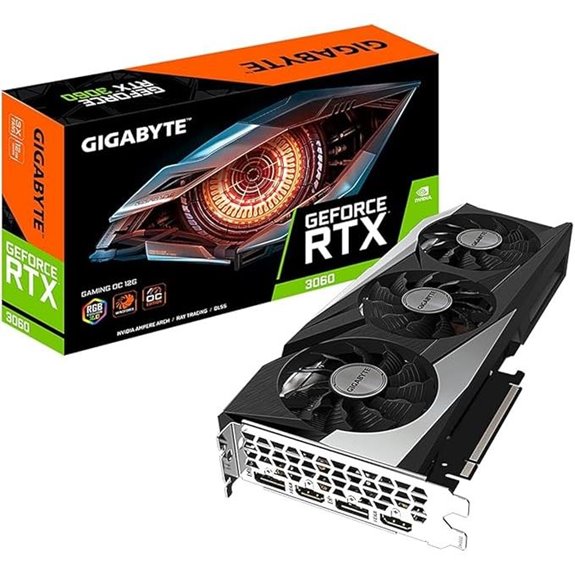 | High-Performance Gaming | Memory Type: GDDR6 | Memory Size: 12GB | Max Resolution Support: 7680×4320 | VIEW LATEST PRICE | See Our Full Breakdown |
| XFX Radeon RX 9060 XT OC Gaming Graphics Card |  | Powerhouse for 1440p | Memory Type: GDDR6 | Memory Size: 16GB | Max Resolution Support: 2560×1440 | VIEW LATEST PRICE | See Our Full Breakdown |
| GTX 1060 6GB Gaming Graphics Card with Dual Fans | 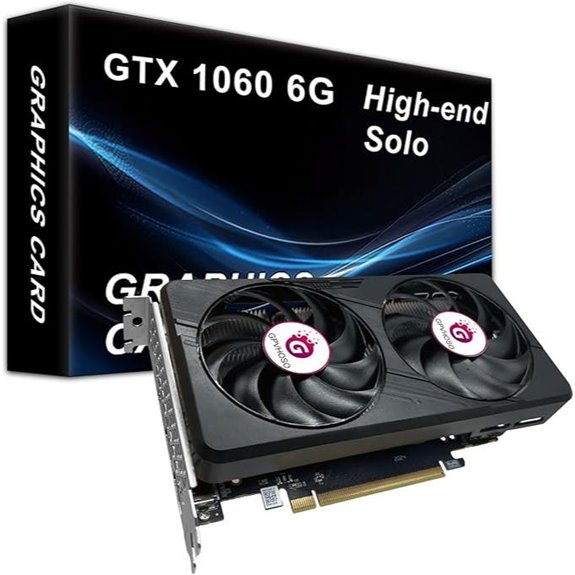 | Budget VR Ready | Memory Type: GDDR5 | Memory Size: 6GB | Max Resolution Support: 8K HDR | VIEW LATEST PRICE | See Our Full Breakdown |
| XFX Radeon RX 580 GTS XXX Edition 8GB Graphics Card |  | Reliable Mid-Range | Memory Type: GDDR5 | Memory Size: 8GB | Max Resolution Support: 4K | VIEW LATEST PRICE | See Our Full Breakdown |
| GTX 1080 8GB GDDR5X Graphics Card with Cooling | 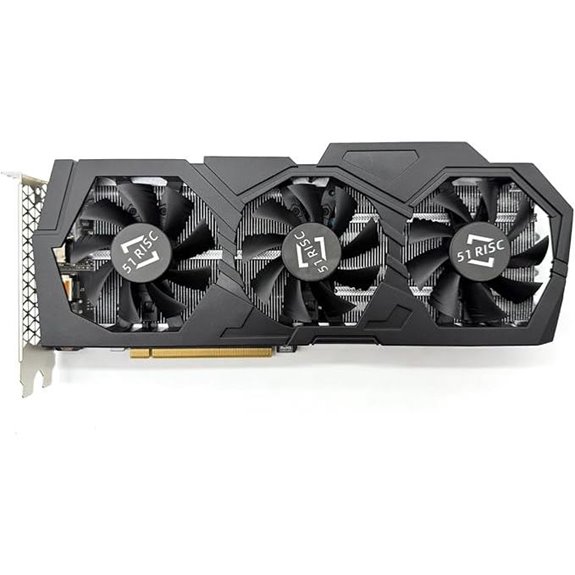 | Classic Powerhouse | Memory Type: GDDR5X | Memory Size: 8GB | Max Resolution Support: 4K | VIEW LATEST PRICE | See Our Full Breakdown |
| GTX 1060 6GB Gaming Graphics Card with Dual Fans | 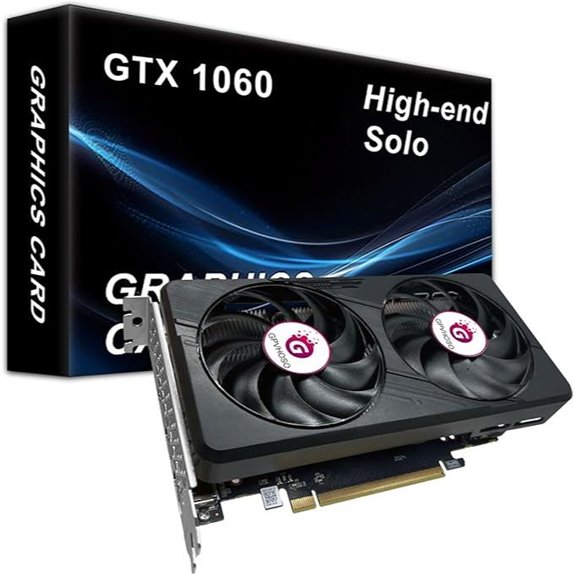 | Entry-Level VR | Memory Type: GDDR5 | Memory Size: 6GB | Max Resolution Support: 8K | VIEW LATEST PRICE | See Our Full Breakdown |
| ASUS NVIDIA GeForce RTX 3050 Gaming Graphics Card | 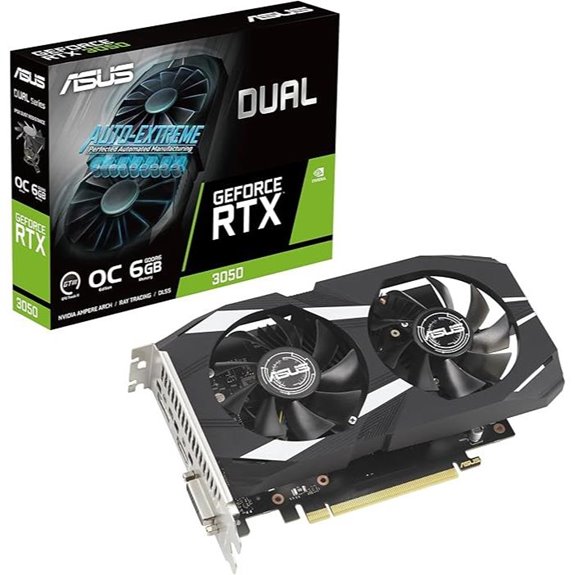 | Compact & Efficient | Memory Type: GDDR6 | Memory Size: 6GB | Max Resolution Support: 7680×4320 | VIEW LATEST PRICE | See Our Full Breakdown |
| XFX Radeon RX 9060 XT OC Gaming Graphics Card | 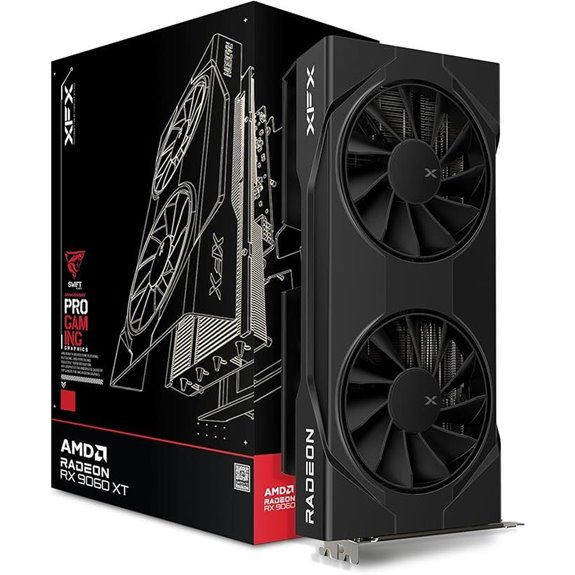 | High-Speed Mid-Tier | Memory Type: GDDR6 | Memory Size: 8GB | Max Resolution Support: 3840×2160 | VIEW LATEST PRICE | See Our Full Breakdown |
| GIGABYTE RTX 5070 WINDFORCE OC Graphics Card |  | Future-Proof High-End | Memory Type: GDDR7 | Memory Size: 12GB | Max Resolution Support: 7680×4320 | VIEW LATEST PRICE | See Our Full Breakdown |
More Details on Our Top Picks
GIGABYTE GeForce RTX 3060 Gaming OC 12G
If you’re looking for a reliable GPU capable of handling high-resolution VR in 2026, the GIGABYTE GeForce RTX 3060 Gaming OC 12G stands out. It’s built on NVIDIA’s Ampere architecture, featuring second-generation RT Cores and third-generation Tensor Cores, making it powerful for gaming and creative tasks. With 12GB GDDR6 memory and a boost clock of 1837 MHz, it supports up to 7680×4320 resolution. The WINDFORCE 3X cooling system keeps temps in check, while RGB Fusion 2.0 adds aesthetic appeal. Compact and lightweight, it’s perfect for various PC builds, delivering smooth, high-quality VR experiences.
- Memory Type:GDDR6
- Memory Size:12GB
- Max Resolution Support:7680×4320
- Cooling System:WINDFORCE 3X fans
- Supported Interface:PCIe 4.0
- Release Date / Availability:June 4, 2021
- Additional Feature:RGB Fusion 2.0 lighting
- Additional Feature:Dual HDMI 2.1 outputs
- Additional Feature:WINDFORCE 3X cooling system
XFX Radeon RX 9060 XT OC Gaming Graphics Card
Looking for a GPU that can handle demanding high-resolution VR experiences in 2026? The XFX Radeon RX 9060 XT OC Gaming Graphics Card is a strong contender. It features AMD’s RDNA 4 architecture, 16GB of GDDR6 memory, and a boost clock of up to 3320 MHz, ensuring fast performance. Its triple fan cooling system keeps temperatures in check during intensive sessions. With support for up to 2560×1440 resolution, it’s built for immersive gaming and high-performance rendering. Rated 4.5 stars on Amazon, users praise its reliability and power. Priced competitively and available through Amazon, it’s a solid choice for serious VR enthusiasts.
- Memory Type:GDDR6
- Memory Size:16GB
- Max Resolution Support:2560×1440
- Cooling System:Triple Fan Cooling
- Supported Interface:PCIe 4.0
- Release Date / Availability:June 16, 2025
- Additional Feature:Triple fan cooling solution
- Additional Feature:AMD RDNA 4 architecture
- Additional Feature:20 GHz memory speed
GTX 1060 6GB Gaming Graphics Card with Dual Fans
The GTX 1060 6GB Gaming Graphics Card with Dual Fans is an excellent choice for gamers seeking reliable high-resolution VR performance without breaking the bank. It features GDDR5 memory, 192-bit bandwidth, supports 8K HDR, VR readiness, and DirectX 12, making it versatile for demanding tasks. Compatible with PCIe 3.0 x16 slots, it connects via HDMI and DisplayPorts for multi-monitor setups. Its dual cooling fans and thermal design keep temperatures low during intense gaming sessions. With impressive CUDA cores and clock speeds, it delivers smooth visuals and immersive experiences. While its older model, it still provides solid VR performance for budget-conscious gamers.
- Memory Type:GDDR5
- Memory Size:6GB
- Max Resolution Support:8K HDR
- Cooling System:Dual Fans
- Supported Interface:PCIe 3.0
- Release Date / Availability:August 28, 2024
- Additional Feature:VRWorks support
- Additional Feature:Dual cooling fans
- Additional Feature:8K HDR support
XFX Radeon RX 580 GTS XXX Edition 8GB Graphics Card
Are you searching for a budget-friendly yet capable GPU for high-resolution VR in 2026? The XFX Radeon RX 580 GTS XXX Edition delivers impressive specs with an 1386MHz boost clock, 8GB GDDR5 memory, and support for up to 4096×2160 resolution. Built on AMD’s Polaris architecture with efficient cooling and dual BIOS options, it’s designed for demanding VR content and 4K gaming. Its low noise cooling system and Radeon Chill technology help extend GPU lifespan while maintaining smooth performance. Weighing just over 2.5 pounds, it’s a solid choice for enthusiasts seeking high performance without breaking the bank.
- Memory Type:GDDR5
- Memory Size:8GB
- Max Resolution Support:4K
- Cooling System:Dual Fan heatsink
- Supported Interface:PCIe 3.0
- Release Date / Availability:Not specified (discontinued)
- Additional Feature:Factory overclocked (1366MHz)
- Additional Feature:Dual BIOS feature
- Additional Feature:Ultra-low noise XL inductors
GTX 1080 8GB GDDR5X Graphics Card with Cooling
For gamers seeking reliable performance in high-resolution VR, the GTX 1080 8GB GDDR5X Graphics Card with Cooling stands out as an excellent choice. Its Pascal architecture delivers high efficiency and smooth gameplay, supporting VR experiences with advanced ray tracing for realistic visuals. The triple-fan cooling system keeps temperatures in check, ensuring stable performance during demanding sessions. With features like G-SYNC and DLSS, it offers tear-free, sharp visuals with minimal lag. Despite being released in 2023, it remains a solid option for immersive VR, combining power, cooling, and visual technology for an optimized gaming experience.
- Memory Type:GDDR5X
- Memory Size:8GB
- Max Resolution Support:4K
- Cooling System:Triple Fans
- Supported Interface:PCIe 3.0
- Release Date / Availability:March 15, 2023
- Additional Feature:Ray tracing technology
- Additional Feature:G-SYNC support
- Additional Feature:Triple-fan cooling system
GTX 1060 6GB Gaming Graphics Card with Dual Fans
If you’re seeking a reliable GPU that can handle high-resolution VR in 2026, the GTX 1060 6GB with dual fans stands out thanks to its efficient cooling system and solid performance. It offers powerful gaming and VR capabilities, with GDDR5 memory, support for 8K resolution, and DirectX 12 compatibility. The dual fans and thermal design guarantee effective heat dissipation, boosting longevity and stability. With high clock speeds, CUDA cores, and multiple connectivity options like HDMI and DisplayPort, it’s suitable for demanding applications and multi-monitor setups. This card provides immersive visuals and smooth gameplay, making it a dependable choice for high-res VR experiences.
- Memory Type:GDDR5
- Memory Size:6GB
- Max Resolution Support:8K
- Cooling System:Dual Fans
- Supported Interface:PCIe 3.0
- Release Date / Availability:September 19, 2025
- Additional Feature:8K support
- Additional Feature:Enhanced thermal design
- Additional Feature:Multiple connectivity options
ASUS NVIDIA GeForce RTX 3050 Gaming Graphics Card
The ASUS NVIDIA GeForce RTX 3050 Gaming Graphics Card stands out as a solid choice for gamers seeking high-resolution VR experiences in 2026, thanks to its support for up to 7680 x 4320 pixel resolution. Its PCIe 4.0 interface and 6GB GDDR6 memory ensure smooth performance, while the NVIDIA Ampere architecture provides double the FP32 throughput and improved power efficiency. The card features advanced ray tracing with second-generation RT cores and AI with third-generation Tensor cores. Its cooling system with Axial-tech fans maintains thermal performance, and the 2-slot design makes it compatible with compact builds. Overall, it’s a reliable option for immersive, high-res VR gaming.
- Memory Type:GDDR6
- Memory Size:6GB
- Max Resolution Support:7680×4320
- Cooling System:Axial-tech Fans
- Supported Interface:PCIe 4.0
- Release Date / Availability:February 2, 2024
- Additional Feature:Axial-tech fan design
- Additional Feature:0dB silent operation
- Additional Feature:Compact 20cm size
XFX Radeon RX 9060 XT OC Gaming Graphics Card
The XFX Radeon RX 9060 XT OC Gaming Graphics Card stands out as an excellent option for high-resolution VR in 2026, thanks to its powerful AMD RDNA 4 RX 9060 XT chipset and 8GB GDDR6 memory. With a boost clock of up to 3320 MHz and support for 3840×2160 resolution, it handles demanding VR experiences smoothly. Its dual fan cooling keeps temperatures in check during extended sessions, and its compact design fits well into most builds. Rated highly by users, it offers a solid balance of performance and efficiency, making it a top choice for immersive VR gaming and professional virtual environments.
- Memory Type:GDDR6
- Memory Size:8GB
- Max Resolution Support:3840×2160
- Cooling System:Dual Fans
- Supported Interface:PCIe 4.0
- Release Date / Availability:June 5, 2025
- Additional Feature:20 GHz memory speed
- Additional Feature:Dual DisplayPort outputs
- Additional Feature:Compact design
GIGABYTE RTX 5070 WINDFORCE OC Graphics Card
For high-resolution VR in 2026, the GIGABYTE RTX 5070 WINDFORCE OC stands out thanks to its advanced NVIDIA Blackwell architecture and 12GB GDDR7 memory, ensuring smooth, detailed visuals even at 8K resolutions. It supports PCIe 5.0 for fast data transfer and features DLSS 4 for AI-enhanced rendering. The card delivers high frame rates and superior ray tracing, making immersive VR experiences seamless. Its compact design and robust cooling system make it suitable for small form factor setups. With excellent customer feedback and reliable performance, this GPU is a top choice for serious VR enthusiasts seeking future-proof graphics.
- Memory Type:GDDR7
- Memory Size:12GB
- Max Resolution Support:7680×4320
- Cooling System:WINDFORCE OC
- Supported Interface:PCIe 5.0
- Release Date / Availability:March 5, 2025
- Additional Feature:PCIe 5.0 compatibility
- Additional Feature:NVIDIA DLSS 4
- Additional Feature:Advanced RT and Tensor Cores
Factors to Consider When Choosing a GPU for High Resolution VR

When choosing a GPU for high-resolution VR, I focus on several key factors to guarantee smooth and immersive experiences. These include VR rendering power, GPU memory capacity, and support for high refresh rates. Additionally, compatibility standards and cooling efficiency play vital roles in maintaining performance and longevity.
VR Rendering Power
Choosing a GPU with strong VR rendering power means paying close attention to its processing capabilities and memory features. I look for a GPU with a high number of CUDA, RT, or Stream Processors, which handle complex visual calculations efficiently. At least 8GB of GDDR6 or higher memory is essential for managing high-resolution textures and detailed environments. Support for advanced ray tracing and AI-based upscaling, like DLSS or FSR, greatly improves rendering quality and frame rates in VR. Core clock speed and memory bandwidth are critical; they determine how smoothly the GPU can deliver high-fidelity visuals during demanding VR sessions. Additionally, compatibility with multiple high-refresh-rate HDMI 2.1 or DisplayPort 1.4a outputs ensures stable, high-resolution video transmission, which is indispensable for immersive VR experiences.
GPU Memory Capacity
GPU memory capacity is a critical factor because it directly impacts your VR experience’s smoothness and detail level. For high-resolution VR, I recommend at least 8GB of VRAM to guarantee smooth performance and prevent lag. More memory allows the GPU to handle large textures and complex scenes without stuttering, which is essential for immersive experiences. If you’re aiming for ultra-high-resolution VR, like 8K, a GPU with 12GB or more of VRAM provides the extra headroom needed for demanding applications. Insufficient VRAM can lead to stuttering, longer load times, and lower frame rates, ruining immersion. Remember, memory bandwidth and size together determine how well your GPU processes the vast data sets required for high-quality VR rendering. Choosing the right capacity is indispensable for seamless, high-fidelity VR gameplay.
Refresh Rate Support
Supporting high refresh rates is crucial for a smooth and immersive VR experience, especially at high resolutions. VR headsets typically demand at least 90Hz to 120Hz per eye for ideal visual performance, reducing motion blur and latency. A GPU must handle high frame rates at your target resolution to prevent motion sickness and improve immersion. The GPU’s processing power and video output capabilities, like HDMI 2.1 or DisplayPort 1.4/2.0, directly influence its ability to support these high refresh rates. Matching the GPU’s frame rendering speed with the headset’s refresh cycle is necessary to avoid visual tearing and latency issues. Essentially, choose a GPU that can consistently output high frame rates to ensure a seamless, comfortable VR experience at high resolutions.
Compatibility Standards
To guarantee a seamless high-resolution VR experience, it’s essential to confirm that your hardware meets current compatibility standards. First, ensure your GPU supports HDMI 2.1 or DisplayPort 1.4a, which are crucial for transmitting high-res VR outputs without lag or loss. Next, verify that your graphics card is compatible with PCIe 4.0 or PCIe 5.0 slots, allowing for faster data transfer necessary for high-resolution textures. The GPU’s maximum supported resolution should meet or exceed 3840×2160 (4K) to ensure clear visuals. Additionally, check that your VRAM is sufficient—8GB minimum, ideally 12GB or more—to handle demanding VR content smoothly. Finally, make sure your GPU is compatible with your system’s operating system and VR headset, including all necessary drivers and firmware updates.
Cooling Efficiency
When choosing a GPU for high-resolution VR, cooling efficiency becomes a critical factor that directly impacts performance and longevity. Effective cooling systems, like triple or triple-fan setups, are essential to keep temperatures in check during intensive VR sessions. High thermal dissipation prevents thermal throttling, allowing the GPU to sustain maximum speeds and deliver stable frame rates. Advanced cooling technologies, such as liquid cooling or vapor chamber designs, can considerably lower temperatures under heavy loads. Proper airflow within the PC case — with well-placed intake and exhaust fans — further boosts cooling performance. GPUs with larger heatsinks and multiple heat pipes typically offer better cooling, enabling longer VR gameplay without overheating. Prioritizing cooling efficiency ensures your GPU remains reliable and performs at its best throughout your high-resolution VR experiences.
Latency Reduction
Cooling efficiency helps keep temperatures in check, but reducing latency is equally important for a seamless VR experience. Lower latency means less delay between your input and what you see, which is essential for immersion. GPUs with higher core clock speeds and optimized ray-tracing cores process frames faster, cutting down lag. Modern VR-ready GPUs also use technologies like asynchronous reprojection and low-latency modes to minimize lag further. High-bandwidth memory and efficient data transfer interfaces, such as PCIe 4.0 or 5.0, help by speeding up data flow between the GPU and system, reducing delays. Ensuring consistent frame rendering with stable frame times is critical, as it keeps latency fluctuations minimal. All these factors work together to deliver smooth, responsive VR experiences at high resolutions.
Power Supply Needs
Choosing the right power supply is essential for high-resolution VR gaming because demanding GPUs can draw significant power. Most high-end VR GPUs in 2026 need at least a 500W to 650W power supply to operate reliably. GPUs with higher boost clocks or larger VRAM, like 12GB or more, tend to consume more power and require a robust PSU. Multiple power connectors, such as dual 8-pin or a combination of 6-pin and 8-pin, indicate higher power needs that must match your PSU’s capabilities. It’s also important to select a power supply with a high efficiency rating, ideally 80 Plus Gold or better, to guarantee stable power delivery and reduce heat. Always verify your GPU’s wattage and connector requirements against your PSU’s specs to avoid stability issues or hardware damage.
Future-Proof Features
Future-proof features are essential to guarantee your high-resolution VR GPU remains relevant and performs well as technology advances. I look for support for the latest video standards like HDMI 2.1 and DisplayPort 1.4a, which enable higher resolutions and refresh rates crucial for immersive VR. Compatibility with PCIe 4.0 or 5.0 ensures fast data transfer, accommodating future VR workloads. Advanced ray-tracing and AI acceleration, such as second-generation RT cores and third-generation Tensor cores, are vital for rendering improvements and AI-driven features. Large VRAM capacities—12GB or more—prepare the GPU for increasing texture resolutions and complex scenes. Additionally, firmware updates supporting emerging standards like DLSS 3 extend the GPU’s lifespan by improving rendering efficiency and image quality in future VR experiences.
Frequently Asked Questions
How Does Vr-Specific Hardware Optimization Impact GPU Performance?
VR-specific hardware optimization critically boosts GPU performance by tailoring processing power to meet the demanding needs of virtual reality. It reduces latency, improves frame rates, and enhances visual fidelity, making the experience smoother and more immersive. I’ve found that when a GPU is optimized for VR, it handles complex scenes better, ensuring a seamless experience. These optimizations are essential for high-resolution VR, where every millisecond counts for immersion and comfort.
What GPU Features Are Most Crucial for Ultra-High-Resolution VR?
Think of a GPU as the engine behind your VR experience. For ultra-high-resolution VR, I consider VR-specific hardware optimization, massive VRAM, and ray tracing capabilities essential. These features guarantee smooth, vivid visuals without lag or blurring. A powerful GPU with high bandwidth, advanced compression, and optimized drivers helps deliver immersive worlds that respond instantly, making your virtual adventures feel as real as life itself.
How Does GPU VRAM Size Influence VR Experience Quality?
VR experience quality is heavily influenced by GPU VRAM size because it determines how much high-resolution data the GPU can handle at once. More VRAM allows for smoother, more detailed visuals without lag or stuttering, especially in demanding VR environments. When VRAM is limited, textures and assets get compressed or unloaded, reducing overall immersion. So, I always recommend a GPU with ample VRAM for the best high-res VR experience.
Are the Latest Ray Tracing Features Beneficial for High-Res VR?
Ray tracing features truly elevate the realism in high-res VR, making virtual worlds more immersive and visually stunning. While they do demand more from your GPU, the enhanced reflections, shadows, and lighting are worth the extra effort. I find that the latest ray tracing tech offers a richer, more believable experience, so if you’re after top-tier visuals, embracing these features can truly transform your VR adventures.
How Important Is GPU Driver Support for VR Headset Compatibility?
GPU driver support is vital for VR headset compatibility because it guarantees smooth, stable performance and minimizes glitches. When drivers are up-to-date, they optimize hardware communication, reduce latency, and fix bugs that could cause crashes or display issues. I always keep my drivers current to enjoy seamless VR experiences. Ignoring driver support can lead to performance problems or even incompatibility, so I prioritize regular updates for the best VR performance.
Conclusion
I get it—choosing the right GPU for high-res VR can feel overwhelming, especially with so many options out there. But don’t worry, investing in a solid card like the GIGABYTE RTX 5070 or XFX Radeon RX 9060 XT OC ensures smooth, immersive experiences. Remember, a little extra spend now means less frustration later. Trust me, your future VR adventures will be totally worth it—so pick the right GPU and jump in!