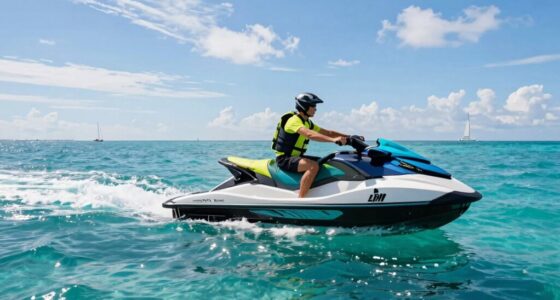

Before flying near lakes or oceans, you should carefully plan your water recovery to minimize environmental impact. Assess your water needs, including cooling and onboard systems, and find ways to use water efficiently. Make certain to prevent spills or leaks and use containment or filtration methods to reduce contamination risks. Disposing of water responsibly ensures you don’t harm aquatic ecosystems. Keep environmental regulations in mind, and exploring further will help you adopt the best practices for sustainable water management.
Listen free for 30 days with Audible
Thousands of audiobooks and originals — cancel anytime.
As an affiliate, we earn on qualifying purchases.
Key Takeaways
- Assess and plan water needs to minimize waste and prevent spills during operations near water bodies.
- Implement containment and filtration systems to reduce the risk of pollutants entering lakes or oceans.
- Discharge water responsibly, ensuring it is free from chemicals or debris to protect aquatic environments.
- Follow local regulations and best practices for water disposal and recovery in sensitive areas.
- Use water recovery techniques to reuse or treat water, minimizing environmental impact and conserving resources.

Flying near lakes or oceans requires more than just careful navigation; it also involves understanding water recovery practices. When you’re operating an aircraft in these environments, it’s vital to consider how your water use and disposal can impact the surrounding ecosystems. Water conservation isn’t just about saving water; it’s about ensuring your activities don’t contribute to environmental degradation. Every drop counts, especially in sensitive areas where water resources are limited or where ecosystems are fragile.
Before your flight, think about how much water you’ll need for operations, such as cooling systems or onboard needs. Minimize waste by using water efficiently and avoid unnecessary consumption. Proper planning helps prevent excess water use, which can lead to runoff or spills that might contaminate lakes or oceans. You should also be aware of local regulations and best practices for water management in the regions you’re flying over. Many areas have strict guidelines designed to protect water quality and aquatic life, so adhering to these rules isn’t just responsible — it’s necessary for reducing your environmental impact.
Plan water use carefully to prevent spills and protect aquatic ecosystems during your flight.
It’s vital to consider the potential consequences if water is improperly disposed of during or after your flight. Spills or leaks can introduce pollutants into water bodies, harming wildlife and disrupting ecosystems. For example, contaminated water runoff might carry chemicals or debris that can upset local aquatic habitats. By practicing water recovery techniques, you make sure that any water used or discharged remains free of pollutants, thereby safeguarding the environment. Using containment systems or filters for water discharge can considerably reduce the risk of environmental contamination. Incorporating water management strategies ensures that your operations align with sustainable practices while minimizing ecological harm.
Your approach to water recovery also influences long-term sustainability. If you treat water responsibly, you help preserve local water sources and prevent unnecessary strain on natural resources. This is especially vital near lakes and oceans, where ecosystems can be highly sensitive to pollution. Implementing effective water recovery measures not only aligns with environmental responsibility but also sets a positive example for others in the aviation community. It demonstrates that flying can be conducted thoughtfully, with minimal ecological footprint. Being aware of water resource management practices further supports the preservation of these vital ecosystems.

Industrial PVC Floating Oil Containment Boom, Float Spill Control Barrier, for Oil Spill Containment and Water Surface Debris Interception in Harbor, Marina, River and Lake L33ft(H13.7IN)
- Material: Reinforced PVC construction for durability
- Float Stability: Solid float structure for stability
- Application: Oil spill and debris containment
As an affiliate, we earn on qualifying purchases.
As an affiliate, we earn on qualifying purchases.
Frequently Asked Questions
What Specific Equipment Is Needed for Water Recovery?
To recover water safely, you need specific equipment like water filtration systems to remove contaminants and guarantee clean water. You should also have proper containers for collection and storage. Regular equipment maintenance is vital; clean filters and check for damage to keep your system functioning effectively. Investing in durable, reliable gear helps prevent issues and assures you have safe water for your needs while flying near lakes or oceans.
How Long Does Water Recovery Typically Take?
Water recovery time varies, and you might be surprised by how long it takes to guarantee quality. Typically, the recovery timeline depends on water quality and equipment efficiency, ranging from several hours to a full day. During this period, you’ll need to monitor the process carefully, as delays could affect safety and environmental standards. Patience is key—trust the process to restore clean, safe water for your next adventure.
Are There Legal Restrictions on Water Recovery Near Protected Areas?
Yes, there are legal regulations on water recovery near protected areas. You must comply with local, state, and federal laws that restrict activities around protected areas like national parks and wildlife refuges. These laws aim to preserve ecosystems and prevent contamination. Before attempting water recovery, research specific restrictions in the region and obtain necessary permits if required. Ignoring these regulations can lead to fines or legal action, so always prioritize legal compliance.
Can Water Recovery Be Performed in All Weather Conditions?
Water recovery can’t be carried out in all weather conditions safely or effectively. Harsh weather, like rain or high winds, can increase environmental impact and compromise equipment maintenance, leading to potential damage or accidents. Always assess weather forecasts before attempting recovery, and postpone if conditions are unfavorable. Prioritizing safety and environmental responsibility ensures you minimize risks and maintain your equipment properly, preventing long-term issues and preserving natural surroundings.
What Are the Safety Risks Involved in Water Recovery?
Water recovery presents safety risks like water contamination, which can harm both your equipment and the environment. Wildlife disturbance is another concern, as recovery efforts might disrupt local ecosystems. You risk exposing yourself to unpredictable weather or unstable water conditions, increasing the chance of accidents. Always assess these risks beforehand, use proper safety gear, and follow guidelines to minimize harm to yourself and nature during water recovery operations.
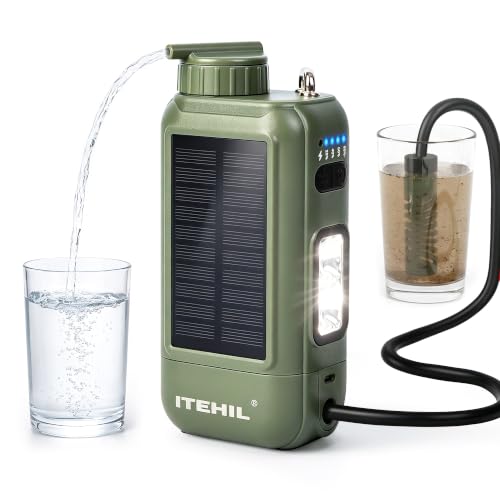
ITEHIL Portable Electric Water Filter, 0.01 Micron Camping Water Purifier with Solar, Outdoor Water Purification System for Camping, Hiking, Emergency & Survival
- Dual Filtration System: Filters 99.99% contaminants with 0.01 micron precision
- Versatile Outdoor Use: Purifies various water sources and acts as power bank
- Portable & Long-Lasting: 5200mAh battery purifies water for 4 hours
As an affiliate, we earn on qualifying purchases.
As an affiliate, we earn on qualifying purchases.
Conclusion
By thinking ahead about water recovery before flying near lakes or oceans, you’re not just being cautious—you’re potentially saving entire ecosystems from the chaos of your unintentional water mishaps. Imagine your tiny plane’s splash causing waves that ripple into distant shores or contaminating pristine waters, turning paradise into pollution. Stay mindful, plan ahead, and your responsible flying could be the difference between a breathtaking vista and an ecological disaster. Fly smart, protect nature, and keep those waters pristine!

Screw Man Garbage Disposal Sink Flange Kit with Garbage Disposal Stopper and Splash Guard Sink Baffle Rubber Sink Drain Seal(4 Piece Set, Fit Universal 3-1/2 Inch Standard Sink Drain Hole,Matte Black
- 4-in-1 Kitchen Disposal Kit: Includes flange, stopper, baffle, seal
- Sleek Matte Black Finish: Resists fingerprints and water spots
- Durable Rubber Drain Stopper: Odorless, non-toxic, long-lasting
As an affiliate, we earn on qualifying purchases.
As an affiliate, we earn on qualifying purchases.

EVOLV Hydrogen Water Bottle, Water Ionizer, Leak Proof Design, Turquoise
- Hydrogen Concentration: 5.4PPM of pure H2
- Technology Used: Advanced SPE/PEM technology
- Hydrogen Output: Up to 13x more than competitors
As an affiliate, we earn on qualifying purchases.
As an affiliate, we earn on qualifying purchases.
Flea & tick season Picks
flea and tick prevention
As an affiliate, we earn on qualifying purchases.