
TL;DR

Get the latest gadgets delivered free with Prime
- Fast, free delivery on millions of items
- Prime Video, Amazon Music and more included
- Member-only deals all year
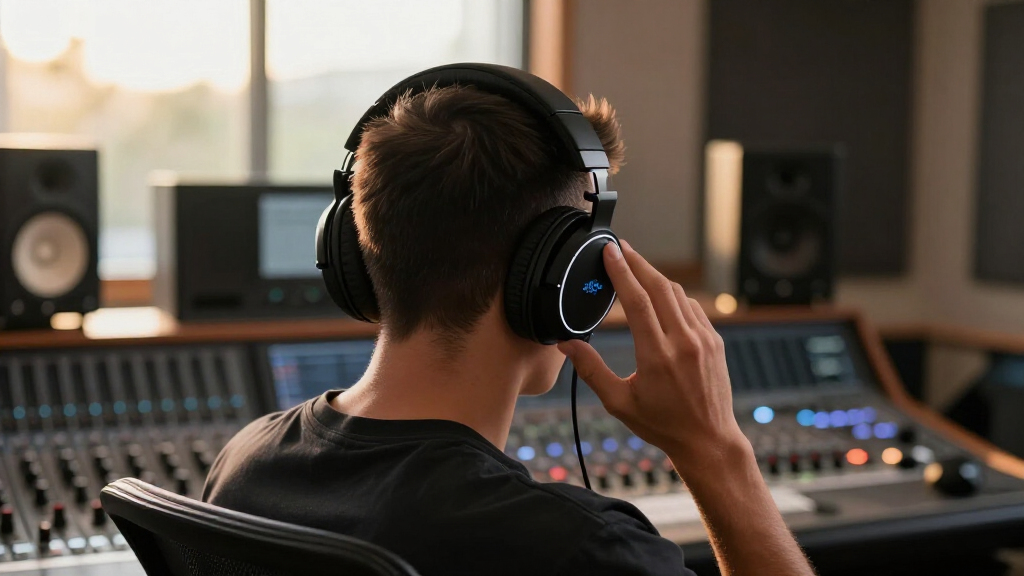
AI-driven headphones are becoming vital tools for modern music mixing in 2026, providing enhanced accuracy, real-time analysis, and personalized calibration. This shift is reshaping how producers and engineers approach audio work, emphasizing the importance of intelligent monitoring devices.
AI-driven headphones are now emerging as essential tools for modern music mixing in 2026, offering features like real-time sound analysis, adaptive calibration, and personalized monitoring. These advancements are transforming audio production, making high-precision mixing more accessible and efficient for both professionals and enthusiasts.
Recent developments indicate that several leading audio technology companies have launched or announced AI-integrated headphones designed specifically for mixing and mastering tasks, as detailed in the original analysis. Unlike traditional studio headphones, these devices incorporate machine learning algorithms to analyze sound quality, detect frequency imbalances, and suggest adjustments in real time. Industry insiders, including audio engineers and producers, emphasize that these headphones can significantly reduce the time required for critical listening and calibration, especially in non-ideal acoustic environments. For more insights, refer to the detailed review.
Major brands such as Sony, Bose, and new entrants like Auralis are integrating AI features into their flagship models. For example, Sony’s latest model uses AI to automatically calibrate sound based on the user’s hearing profile and room acoustics, ensuring consistent accuracy regardless of environment. According to industry sources, these headphones also adapt dynamically during sessions, providing feedback on mix balance and stereo imaging, which traditionally required extensive manual tweaking.
While the technology is still relatively new, early adopters report improved workflow efficiency and more precise mixes. For a comprehensive overview of studio headphones suitable for mixing, see this list of top headphones. Experts note that AI integration in headphones complements existing studio monitors and software, creating a more comprehensive monitoring setup. However, it is unclear how widespread adoption will be, and whether these devices will fully replace traditional monitoring methods or serve as supplementary tools.
The 10 picks
- 1
 Sennheiser HD 480 PRO Professional Recording & Monitoring Headphones BundleView on Amazon →
 - 2
 Audio-Technica ATH-M50X Professional Studio Monitor Headphones, BlackView on Amazon →
 - 3
 Sony MDR7506 Professional Large Diaphragm HeadphonesView on Amazon →
 - 4
 Audio-Technica ATH-M40x Professional Studio Monitor HeadphonesView on Amazon →
 - 5
 Sennheiser HD 280 Pro Headphones, BlackView on Amazon →
 - 6
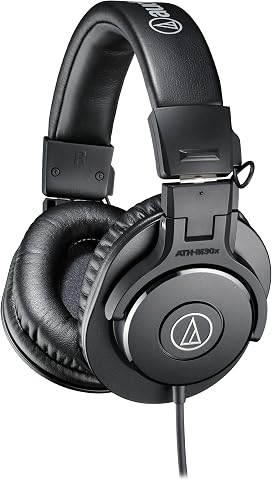 Audio-Technica ATH-M30x Professional Studio Monitor Headphones, BlackView on Amazon →
 - 7
 Audeze MM-520 Open-Back Professional Headphones with Carrying CaseView on Amazon →
 - 8
 Audio-Technica ATH-M20x Professional Studio Monitor Headphones, BlackView on Amazon →
 - 9
 Audio-Technica ATH-M20x Professional Studio Monitor Headphones, WhiteView on Amazon →
 - 10
 OneOdio Pro-10 Wired Over Ear Headphones with 50mm Drivers, Studio Monitor &…View on Amazon →
Impact of AI Headphones on Music Production
The adoption of AI-powered headphones in 2026 marks a pivotal shift in music production, enabling more accurate and consistent mixing across diverse environments. These devices can democratize high-quality audio work by reducing the need for expensive acoustic treatment and studio setups. For professionals, this means faster workflows and potentially higher-quality releases, as AI tools help identify issues that might be missed manually. For enthusiasts and smaller studios, AI headphones could lower barriers to entry, making professional-sounding mixes more achievable without extensive acoustic treatment or monitoring expertise.
Furthermore, the technology’s ability to personalize sound profiles and provide real-time feedback enhances the precision of mixing decisions, potentially leading to better translation of mixes across different playback systems. This development could influence standards in the industry, encouraging hardware manufacturers and software developers to integrate AI features more deeply into their products.
Evolution of Monitoring Technology in 2020s
Over the past decade, headphone technology has evolved from basic dynamic drivers to sophisticated devices with active noise cancellation and customizable sound profiles. In 2023, AI features began entering consumer-grade headphones, primarily for enhanced listening experiences. By 2025, professional audio equipment started incorporating AI for tasks like room calibration and sound correction. The current year, 2026, sees the convergence of these trends, with AI becoming a core component of monitoring tools for mixing and mastering.
This progression reflects a broader industry push towards automation and intelligent systems, aiming to improve accuracy, reduce human error, and streamline workflows. The integration of AI into headphones aligns with developments in AI-driven software for audio editing and mixing, creating a more cohesive ecosystem for audio professionals.
Prior to this, high-end studio monitors and software plugins dominated the scene, but the portability and convenience of AI headphones offer a compelling alternative, especially for remote and mobile workflows.
“AI-driven headphones are changing the way we approach mixing, providing instant insights that save hours of manual analysis.”
— Jane Liu, Audio Engineer
Unanswered Questions About AI Headphone Adoption
It remains unclear how quickly AI headphones will be adopted across different segments of the industry, especially among budget-conscious producers and small studios. The long-term reliability of AI calibration in varied acoustic environments and the potential for over-reliance on automated feedback are still under evaluation. Additionally, questions about standardization, compatibility with existing workflows, and potential biases in AI algorithms are yet to be fully addressed.
Industry experts caution that while initial reports are promising, extensive testing and user feedback are necessary to confirm the technology’s robustness and practical benefits in diverse real-world scenarios.
Upcoming Developments in AI Monitoring Technology
In the coming months, expect further product launches from major brands integrating more advanced AI features, including deeper customization and improved real-time feedback. Industry conferences and trade shows scheduled for late 2026 will showcase these innovations, providing opportunities for wider testing and adoption. Researchers and developers are also working on standardizing AI calibration protocols to ensure consistency across devices.
Furthermore, software updates may expand AI capabilities, such as predictive mixing assistance and integration with digital audio workstations, making AI headphones an even more integral part of the production process.
Key Questions
How do AI headphones improve mixing accuracy?
AI headphones analyze sound in real time, detect imbalances, and suggest or automatically implement calibration adjustments, helping engineers achieve more precise mixes.
Can AI headphones replace traditional studio monitors?
While AI headphones offer significant advantages in portability and convenience, they are generally considered complementary to studio monitors rather than complete replacements, especially for critical listening and large-scale production.
Are AI headphones suitable for all types of audio work?
They are particularly useful for mixing, editing, and remote production, but may still have limitations in complex acoustic environments or specialized tasks requiring ultra-high fidelity.
What are the potential drawbacks of AI integration in headphones?
Possible issues include over-reliance on automated calibration, algorithm biases, and compatibility concerns with existing workflows, which require further testing and industry standards.
Source: ThorstenMeyerAI.com
Halloween Picks
halloween
As an affiliate, we earn on qualifying purchases.